
I stepped out of Narita Express at Shibuya Station and the city hit me like a wall of neon, noise, and possibility. Japan had been on my bucket list for a decade, and nothing — not the YouTube videos, not the travel blogs, not even the anime — had prepared me for the sensory overload of actually being here. Over the next seven days, I’d eat the best meal of my life for under ten dollars, get hopelessly lost in bamboo forests, bow at roughly four hundred wrong moments, and fall so hard for this country that I started researching long-stay visas on the bullet train home. Here’s everything I learned, spent, and wish I’d known before landing.
1. NEON DREAMS: TOKYO’S ELECTRIC MODERN SIDE
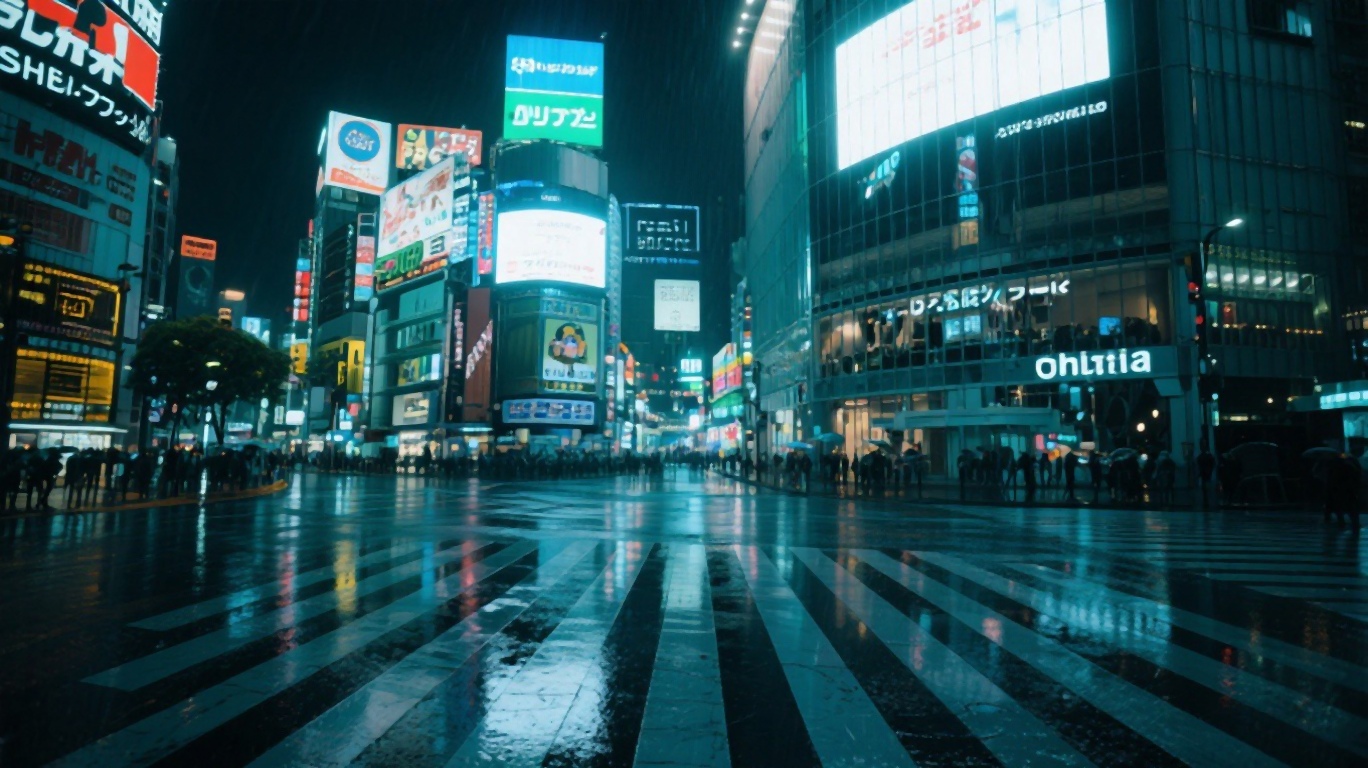
My first morning started at Shibuya Crossing, and I’ll say it plainly: no photo does it justice. I stood on the northwest corner at 8:47 a.m. on a Tuesday and watched what felt like the entire population of a small city surge across the intersection in perfect, choreographed chaos. The Shibuya Sky observation deck (¥2,000 / ~$13 USD, 2-24-12 Shibuya, Shibuya-ku) gives you the god-view from 230 meters up, and the outdoor rooftop is genuinely thrilling at sunset — book the 5:30 p.m. slot online to skip the queue.
From Shibuya I walked to Shinjuku, about twenty minutes on foot through backstreets lined with vintage clothing shops and kissaten (old-school coffee houses). Shinjuku’s west side is all corporate glass towers, but the east side — specifically the alleyways of Golden Gai — is a time capsule of 200-odd tiny bars, each seating five to eight people. I squeezed into Bar Albatross (1-1-7 Kabukicho, Shinjuku-ku; beers from ¥700 / ~$4.50 USD) and ended up sharing whisky highballs with a retired salaryman who insisted on teaching me the kanji for “drunk.”
Akihabara, thirty minutes east on the JR Yamanote Line, is where Tokyo’s obsessive subcultures become physical architecture. Multi-story arcades like Taito Station pump out 8-bit soundtracks onto the pavement. Super Potato (1-11-2 Sotokanda, Chiyoda-ku) remains the holy grail for retro gaming — I found a working Game Boy for ¥3,500 (~$23 USD). Skip the maid cafés unless ironic kitsch is your thing; the cover charges (¥800–¥1,500) buy lukewarm coffee and performative cuteness.
Planning tip: The JR Yamanote Line loops through all three neighborhoods. Buy a Suica or Pasmo IC card at any station kiosk (¥500 deposit, refundable) and load ¥2,000 for your first day — it works on trains, buses, and even convenience-store purchases.
2. OLD EDO: TOKYO’S TRADITIONAL SOUL
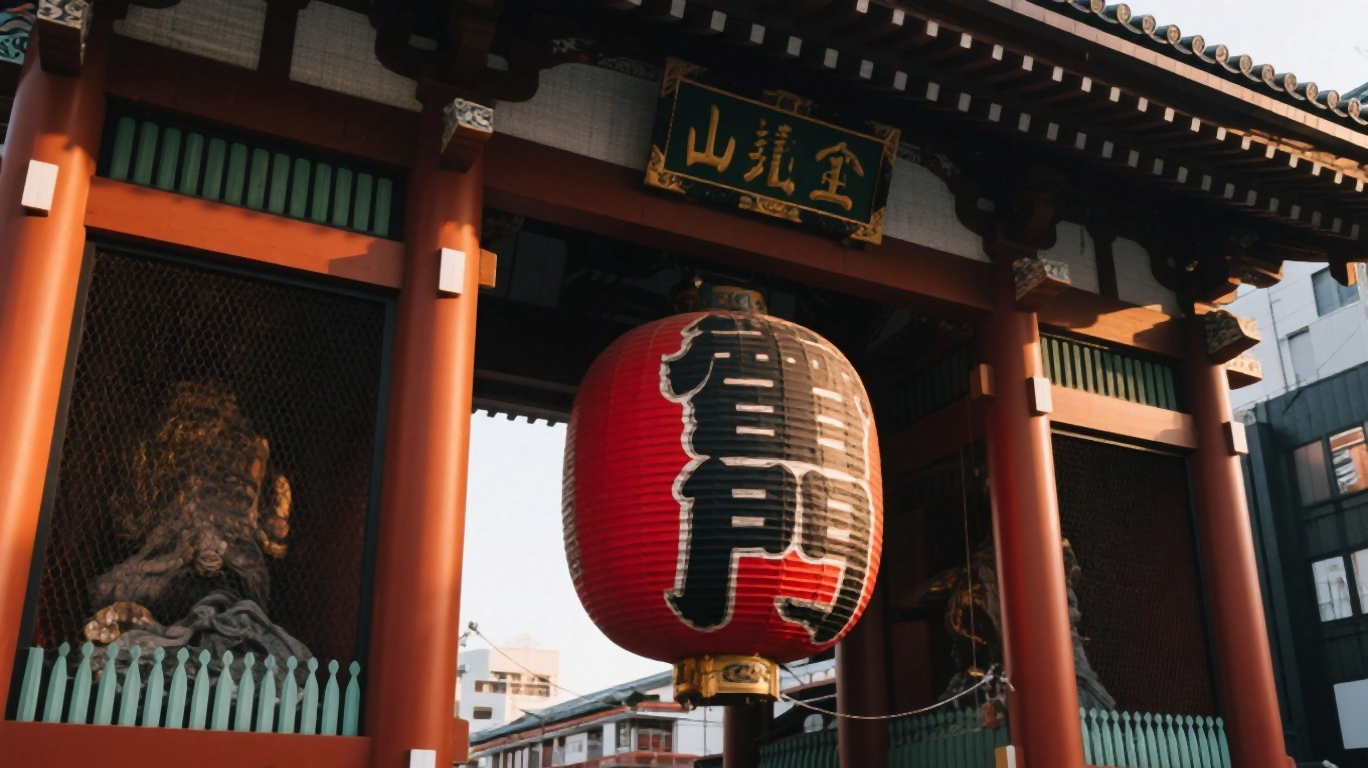
Tokyo is often pitched as a futuristic megacity, but some of its most powerful moments are ancient. I arrived at Senso-ji in Asakusa at 6:15 a.m. — free admission, always open — and had Nakamise-dori shopping street almost entirely to myself. The incense smoke curling from the main hall’s bronze burner, the low murmur of morning prayers, the wooden prayer plaques clacking in the wind: this is the Tokyo that existed long before the neon.
Meiji Shrine (1-1 Yoyogi-Kamizonocho, Shibuya-ku; free admission), set inside 170 acres of evergreen forest just steps from Harajuku Station, has a completely different energy. The gravel path from the torii gate to the inner shrine takes about ten minutes and genuinely feels like leaving the city. I visited on a Saturday and witnessed a traditional Shinto wedding procession — the bride in a white shiromuku kimono, the groom in black montsuki, a shrine priest leading them with measured steps. Photography is permitted from a respectful distance, but ask with a gesture before pointing a lens.
The Imperial Palace East Gardens (free admission, closed Mondays and Fridays) are the only publicly accessible part of the palace grounds, and they’re beautifully underrated. The Ninomaru Garden, with its iris beds and precisely raked stone paths, made me want to take up landscape painting. Allow ninety minutes to explore fully.
Planning tip: Combine all three in a single day: Senso-ji at dawn, subway to Meiji Shrine mid-morning, then walk to the Imperial Palace for afternoon shade. Total transportation cost: about ¥400 (~$2.60 USD).
3. EATING YOUR WAY THROUGH JAPAN: A FOOD LOVER’S FIELD GUIDE
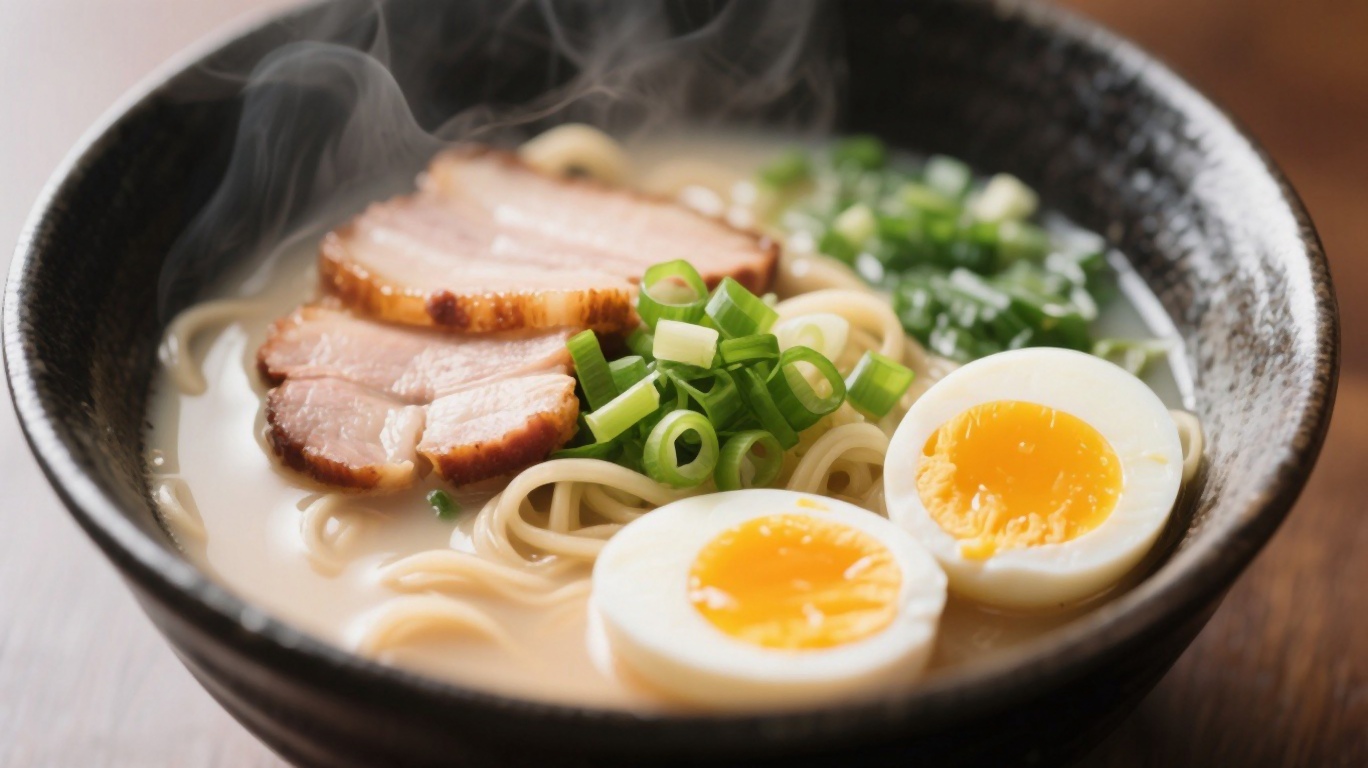
Let me be direct: Japanese food ruined me for eating at home. I don’t mean fancy omakase (though I tried that too). I mean a ¥980 (~$6.30 USD) bowl of tsukemen dipping ramen at Fuunji (3-35-7 Shinjuku, Shinjuku-ku), where the noodles are thick as shoelaces and the broth is concentrated enough to make you close your eyes mid-slurp. The line typically runs twenty minutes at lunch, but it moves fast — order at the vending machine, grab a stool, and prepare for religious experience.
For sushi, skip the tourist traps near Tsukiji Outer Market and head to Sushi Dai (if you enjoy 3-hour queues at 4 a.m.) or, more sensibly, to Midori Sushi in Shibuya Mark City (1-12-3 Dogenzaka, Shibuya-ku). Their omakase set runs ¥3,800 (~$24.50 USD) for twelve pieces of pristine nigiri, and the uni (sea urchin) melts like butter custard. Arrive at 10:30 a.m. to beat the lunch rush; they open at 11.
Izakaya culture deserves its own paragraph. An izakaya is essentially a Japanese gastropub — order a drink first (beer is the safe default), then graze through small plates. Torikizoku (multiple locations, including Shinjuku and Shibuya) serves everything — skewers, edamame, karaage fried chicken — at ¥350 (~$2.25 USD) per plate, drinks included. I spent ¥2,450 (~$15.80 USD) total for a full meal with three beers.
One warning: some restaurants near major stations have English menus with inflated “tourist prices.” If the menu outside has photos but no prices, ask before sitting down. This isn’t a scam per se — it’s just selective pricing. A good rule of thumb: if locals are eating there, the prices are fair.
Planning tip: Convenience stores (konbini) are legitimate dining options in Japan. A 7-Eleven onigiri (rice ball) costs ¥130–¥180 (~$0.85–$1.15 USD) and tastes better than most American deli sandwiches. Familiarize yourself with the peel-open wrapper technique on day one.
4. KYOTO’S SACRED LANDSCAPE: TEMPLES, GATES, AND GOLDEN PAVILIONS
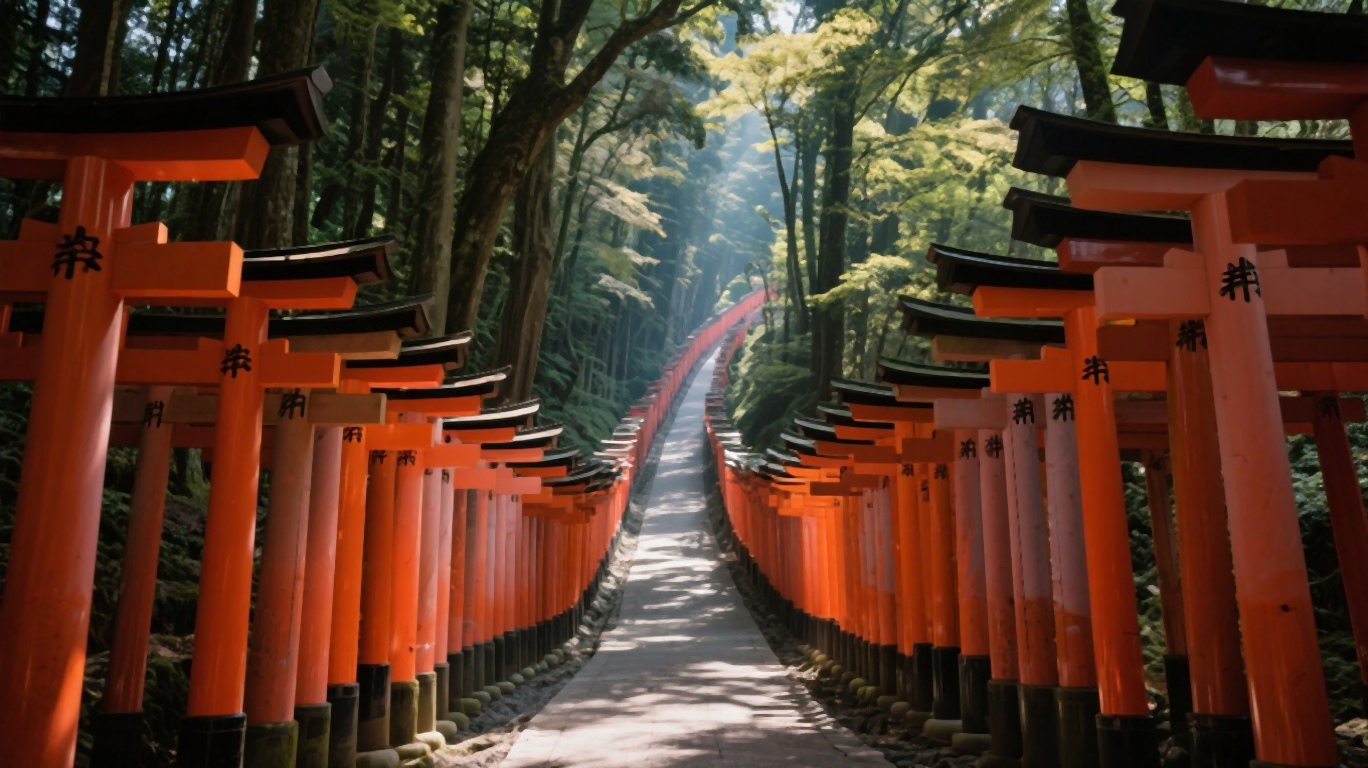
The shinkansen from Tokyo Station to Kyoto took two hours and eighteen minutes, and I spent most of it watching Mount Fuji slide past like a painting on rails. Kyoto was Japan’s capital for over a thousand years, and the density of sacred sites is staggering: roughly 2,000 temples and shrines within city limits.
Fushimi Inari Taisha (68 Fukakusa Yabunouchicho, Fushimi-ku; free admission, open 24 hours) is the headliner, and for good reason. The trail of 10,000 vermillion torii gates snaking up Mount Inari is one of those places where photographs capture maybe thirty percent of the actual experience. I started hiking at 6:30 a.m. and reached the summit in about ninety minutes. The lower gates are crowded by 9 a.m., but above the Yotsutsuji intersection — roughly the halfway point — the tourist density drops dramatically and you start hearing birdsong instead of camera shutters.
Kinkaku-ji, the Golden Pavilion (1 Kinkakujicho, Kita-ku; ¥500 / ~$3.25 USD), is almost aggressively photogenic. The top two stories are covered in actual gold leaf, and on a clear day the reflection in the mirror pond is so perfect it looks digitally enhanced. The grounds take about forty minutes to explore. I’d recommend visiting between 2 and 3 p.m. when the afternoon light catches the gold at its warmest.
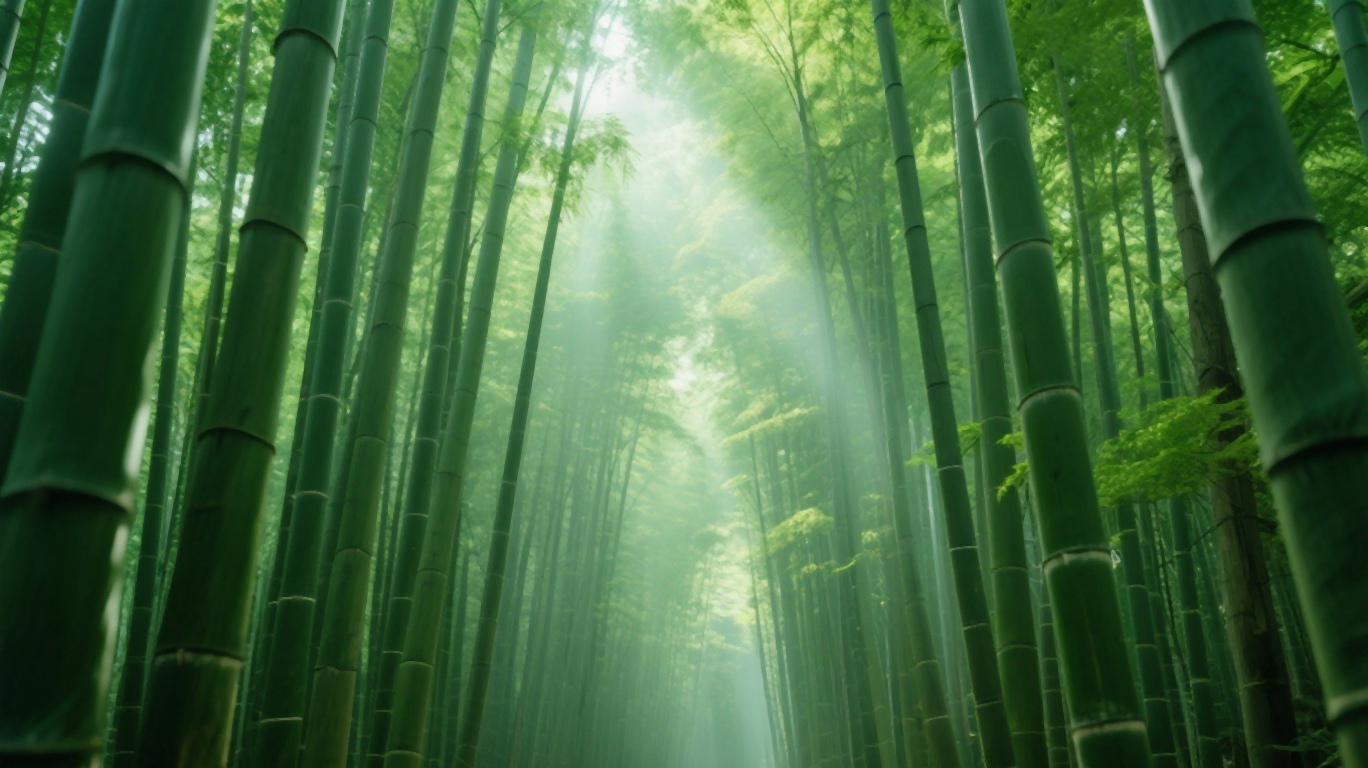
The Arashiyama Bamboo Grove, on Kyoto’s western edge, is shorter than expected — the main photogenic stretch is about 500 meters — but the sound of wind through the bamboo canopy is otherworldly. Combine it with nearby Tenryu-ji Temple (¥500 / ~$3.25 USD for the garden) and a walk across Togetsukyo Bridge for a full half-day.
Planning tip: Buy a Kyoto one-day bus pass (¥700 / ~$4.50 USD) from the ticket machine at Kyoto Station. It covers unlimited rides on city buses, which connect nearly every major temple. Keep it in your pocket — you feed it into the reader on exit, not entry.
5. KYOTO’S HIDDEN SIDE: GEISHA, TEA, AND MARKET ALLEYS
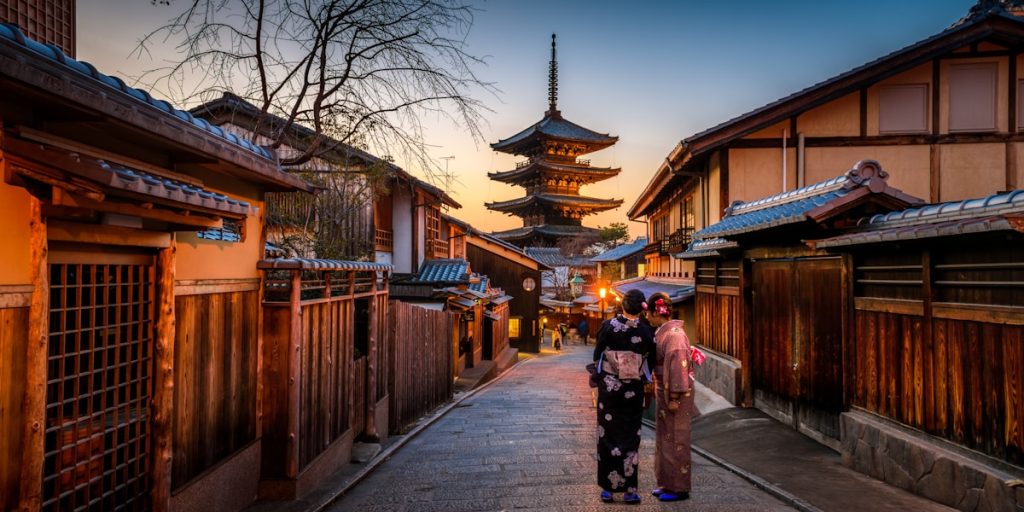
Gion, Kyoto’s famous geisha district, is best experienced at dusk. The wooden machiya townhouses along Hanamikoji Street glow with warm lantern light, and if you’re patient, you might glimpse a maiko (apprentice geisha) hurrying between appointments — white-painted face, elaborate kanzashi hairpins, silk kimono trailing. A critical etiquette note: do not chase, block, or aggressively photograph geisha or maiko. Several streets in Gion have posted photography bans due to tourist harassment. Respect them.
I booked a tea ceremony experience at Camellia Garden near Kenninji Temple (¥3,000 / ~$19.35 USD for a 45-minute session). The host, a patient woman named Takahashi-san, walked our small group through every deliberate movement: how to turn the chawan (tea bowl), why you wipe the rim after drinking, the philosophy of ichigo ichie — “one time, one meeting,” the idea that every encounter is unique and unrepeatable. I walked out quieter than I walked in.
Nishiki Market (Nishikioji-dori, Nakagyo-ku; most stalls open 9 a.m. to 5 p.m., closed some Wednesdays) is a 400-meter covered arcade they call “Kyoto’s Kitchen.” I grazed for two hours: grilled mochi dumplings (¥200 / ~$1.30 USD), tamagoyaki dashimaki rolled omelet on a stick (¥350 / ~$2.25 USD), and a cup of fresh soy milk from a tofu shop halfway down on the south side. The pickled vegetable stalls are worth exploring — Japan has over 600 varieties of tsukemono, and several shops offer free tastings.
Planning tip: If you want to wear a rented kimono through Gion (a popular activity for tourists and Japanese visitors alike), book through Yumeyakata (¥4,180 / ~$27 USD for a standard set with obi sash). Reserve at least a day ahead during autumn foliage season.
6. DAY TRIP TO NARA: DEER, GIANTS, AND ANCIENT POWER
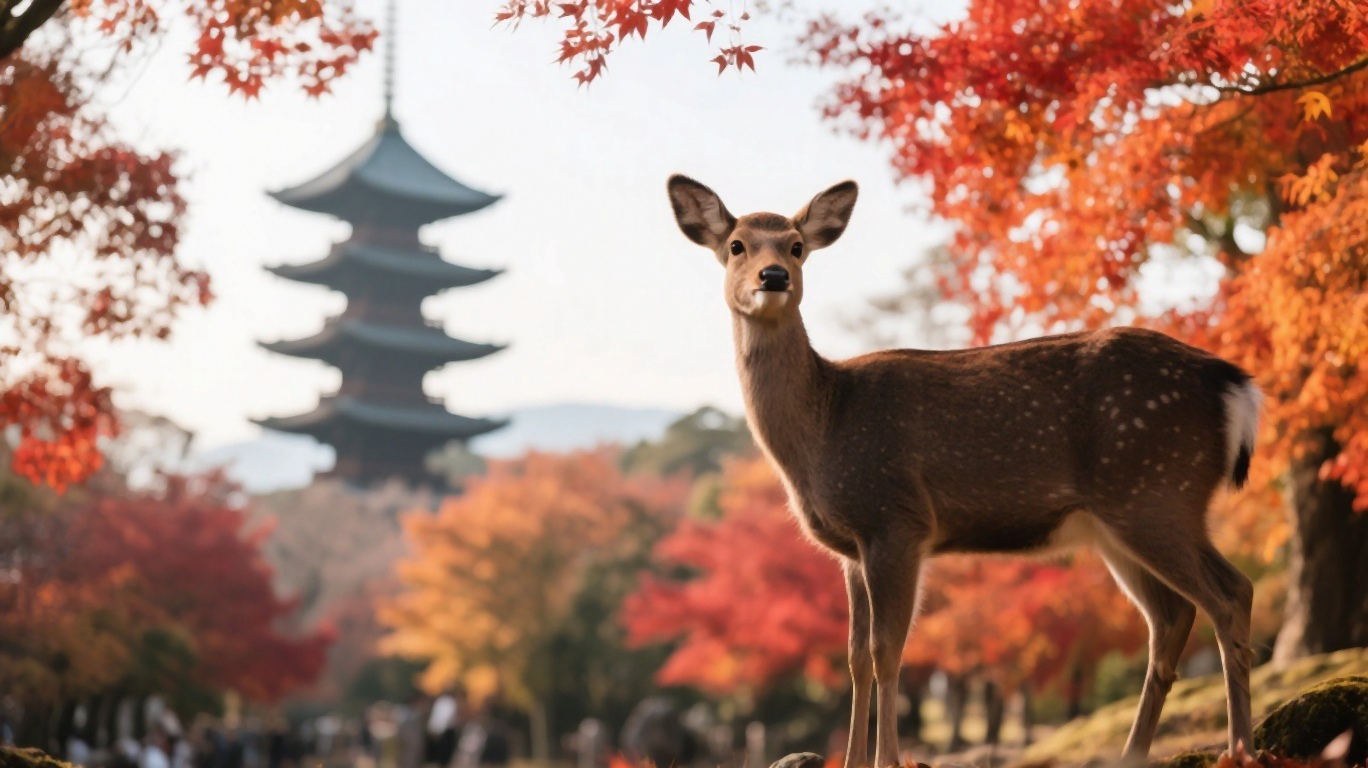
Nara is forty-five minutes from Kyoto on the Kintetsu Railway (¥760 / ~$4.90 USD one way) and makes an effortless day trip. The main event is Nara Park, where roughly 1,200 wild sika deer roam freely among the temples, lawns, and unfortunate picnickers. Buy shika senbei (deer crackers) from vendors for ¥200 (~$1.30 USD) per bundle. The deer will literally bow to you before accepting food — a behavior reinforced by centuries of tourist interaction. They will also nibble maps, guidebooks, and any plastic bag within reach, so secure your belongings.
Todai-ji Temple (406-1 Zoshicho, Nara; ¥600 / ~$3.85 USD) houses the Daibutsu, a 15-meter-tall bronze Buddha sitting in serene contemplation since 752 CE. The wooden hall enclosing it, Daibutsuden, is the largest wooden structure in the world — walking through its doors and looking up at this enormous figure with its half-closed eyes, I felt something I can only describe as involuntary awe. There’s a pillar near the back with a hole the same size as the Buddha’s nostril; local tradition says squeezing through guarantees enlightenment. I tried. I did not achieve enlightenment, but I did get a bruised shoulder.
For lunch in Nara, Kakinoha Sushi Tanaka (near Kintetsu Nara Station; sets from ¥1,200 / ~$7.75 USD) serves kakinoha-zushi — sushi wrapped in persimmon leaves, a local specialty that’s delicate, lightly vinegared, and unique to the region.
Planning tip: Visit Nara on a weekday if possible. Weekend crowds around Todai-ji can be intense, and the deer become noticeably more aggressive when there are more cracker-bearing humans to shake down.
7. OSAKA AFTER DARK: STREET FOOD CAPITAL OF JAPAN
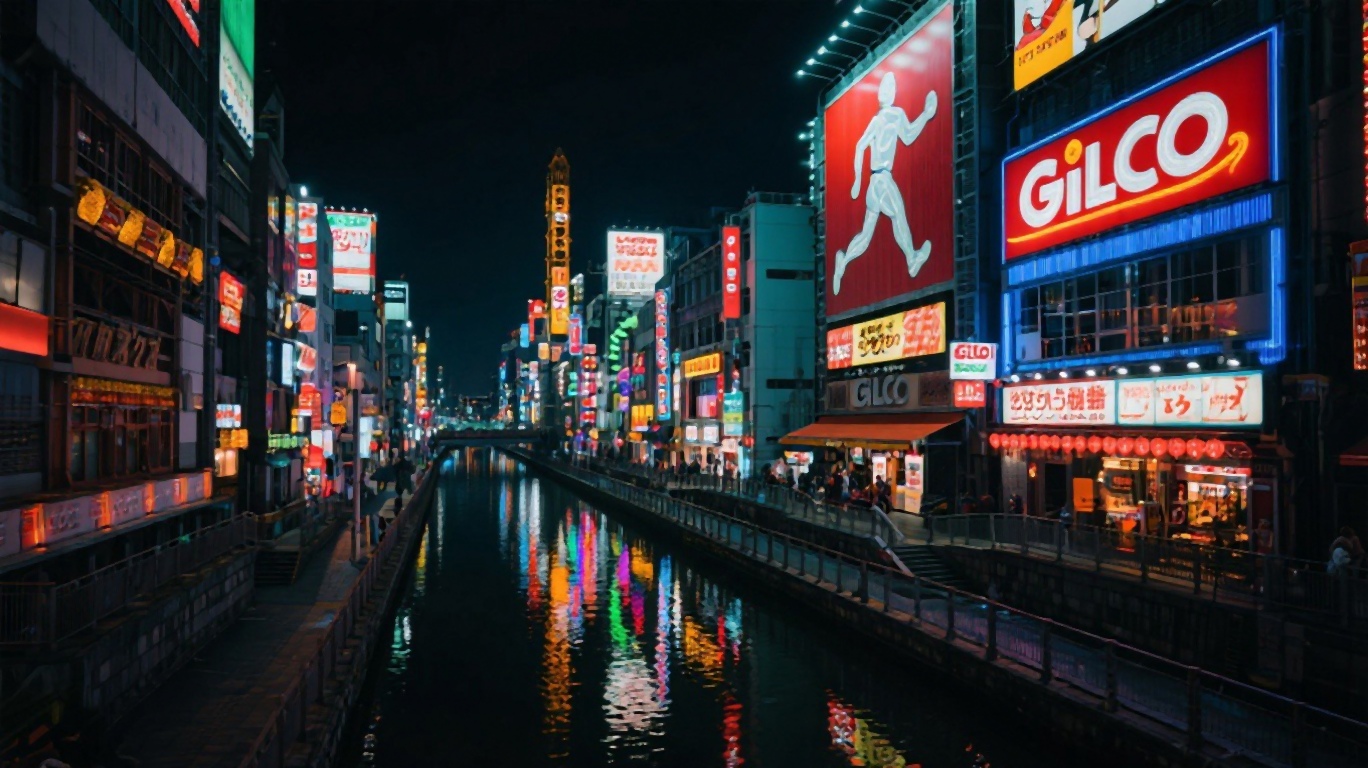
Osaka’s unofficial motto is kuidaore — “eat until you drop” — and Dotonbori is where that philosophy becomes reality. This canal-side street in Namba is a sensory avalanche of giant mechanical crabs, drum-beating clown signs, and the constant sizzle of batter hitting cast iron. I arrived at 6 p.m. and didn’t stop eating until 10.
The essential Osaka street food trinity: takoyaki (octopus balls), okonomiyaki (savory pancakes), and kushikatsu (deep-fried skewers). For takoyaki, Takoyaki Juhachiban (1-7-21 Dotonbori, Chuo-ku; eight pieces for ¥600 / ~$3.85 USD) serves them crispy outside, molten inside, topped with dancing bonito flakes and a drizzle of Kewpie mayo. For okonomiyaki, Mizuno (1-4-15 Dotonbori; from ¥980 / ~$6.30 USD) has been operating since 1945 and makes the Osaka-style version — layered with cabbage, pork belly, egg, and a proprietary sauce that I would genuinely consider smuggling through customs.
Shinsekai, the “New World” district south of Namba, has a grittier, more local energy. The area around Tsutenkaku Tower specializes in kushikatsu — skewered and deep-fried everything from lotus root to quail eggs. Daruma Kushikatsu (2-3-9 Ebisuhigashi, Naniwa-ku; skewers from ¥120 / ~$0.77 USD each) is the institution. The one cardinal rule: never double-dip in the communal sauce. Signs in four languages will remind you. They are not joking.
Planning tip: Osaka is only fifteen minutes from Kyoto on the shinkansen (or about fifty minutes on the cheaper JR Special Rapid, covered by the JR Pass). Many travelers base themselves in Osaka and day-trip to Kyoto — accommodation tends to be ¥2,000–¥3,000 cheaper per night.
8. GETTING AROUND: TRAINS, PASSES, AND THE ART OF THE SHINKANSEN
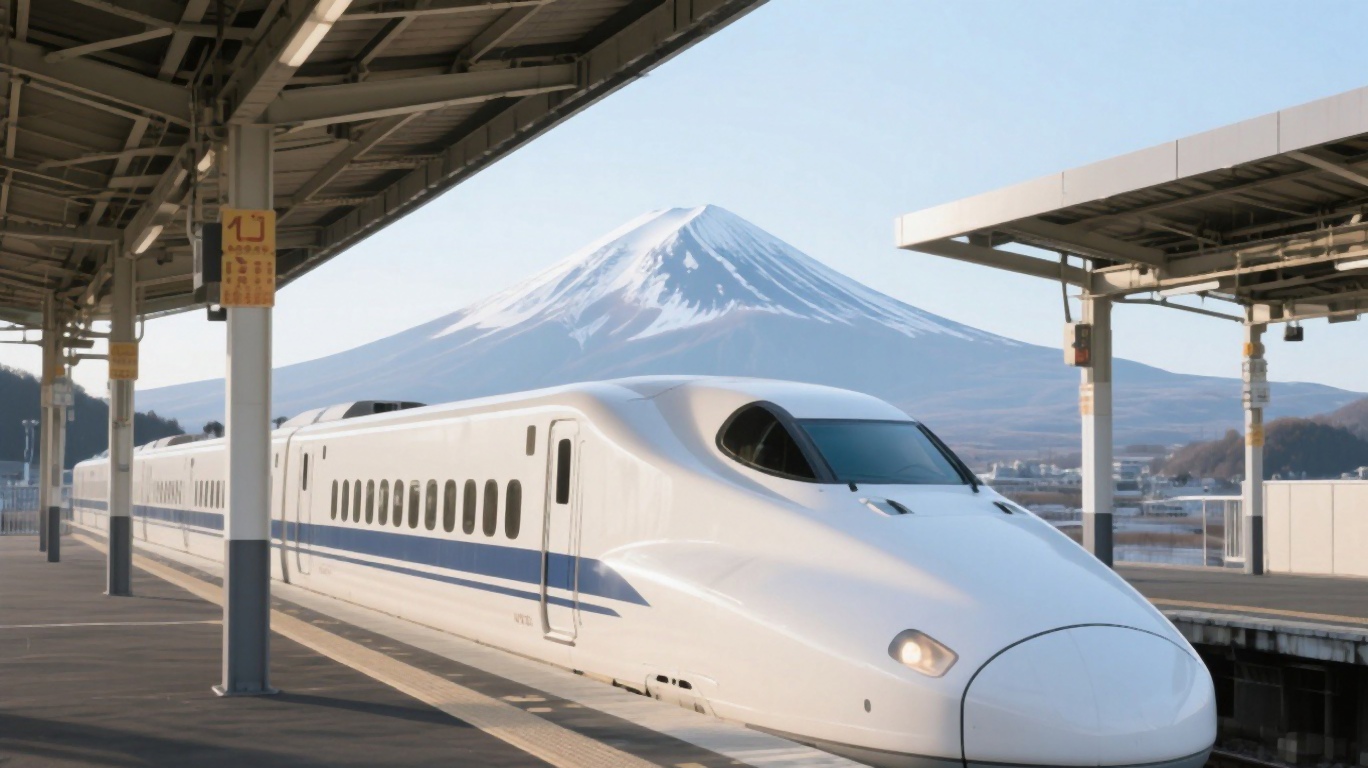
Japan’s rail system is the best in the world — not hyperbole. Trains are clean, punctual to the second, and connected so thoroughly that a paper map of the Tokyo Metro looks like color-coded spaghetti. The key decision for visitors: whether to buy a Japan Rail Pass.
The JR Pass (7-day ordinary car: ¥50,000 / ~$323 USD as of 2024 pricing) covers unlimited travel on JR trains nationwide, including the shinkansen (bullet train) between Tokyo, Kyoto, and Osaka. A single round-trip Tokyo–Kyoto ticket costs about ¥27,000 (~$174 USD), so if you’re doing that route plus any local JR lines, the pass pays for itself. You must purchase the pass before arriving in Japan through an authorized agent (or online via the JR Pass website), then activate it at a JR ticket office with your passport.
For city travel, the Suica and Pasmo IC cards (functionally identical) are rechargeable tap cards that work on virtually all trains, subways, and buses in Tokyo, Kyoto, and Osaka. Tap in, tap out, and the fare is calculated automatically. You can also use them at convenience stores, vending machines, and coin lockers. Load them at any station kiosk in increments of ¥1,000.
Shinkansen etiquette: reserve a seat (free with the JR Pass at any JR ticket office), sit in your assigned seat, don’t talk on the phone, and eat your ekiben (station bento box) quietly. The Nozomi is the fastest train on the Tokaido line — but it’s not covered by the JR Pass. Take the Hikari instead; it adds only about fifteen minutes to the Tokyo–Kyoto journey.
Planning tip: Download the Hyperdia app or use Google Maps transit directions — both show real-time Japanese train schedules with platform numbers. Hyperdia lets you filter by JR-Pass-eligible routes, which saves confusion at the gate.
9. BUDGET BREAKDOWN: WHAT JAPAN ACTUALLY COSTS
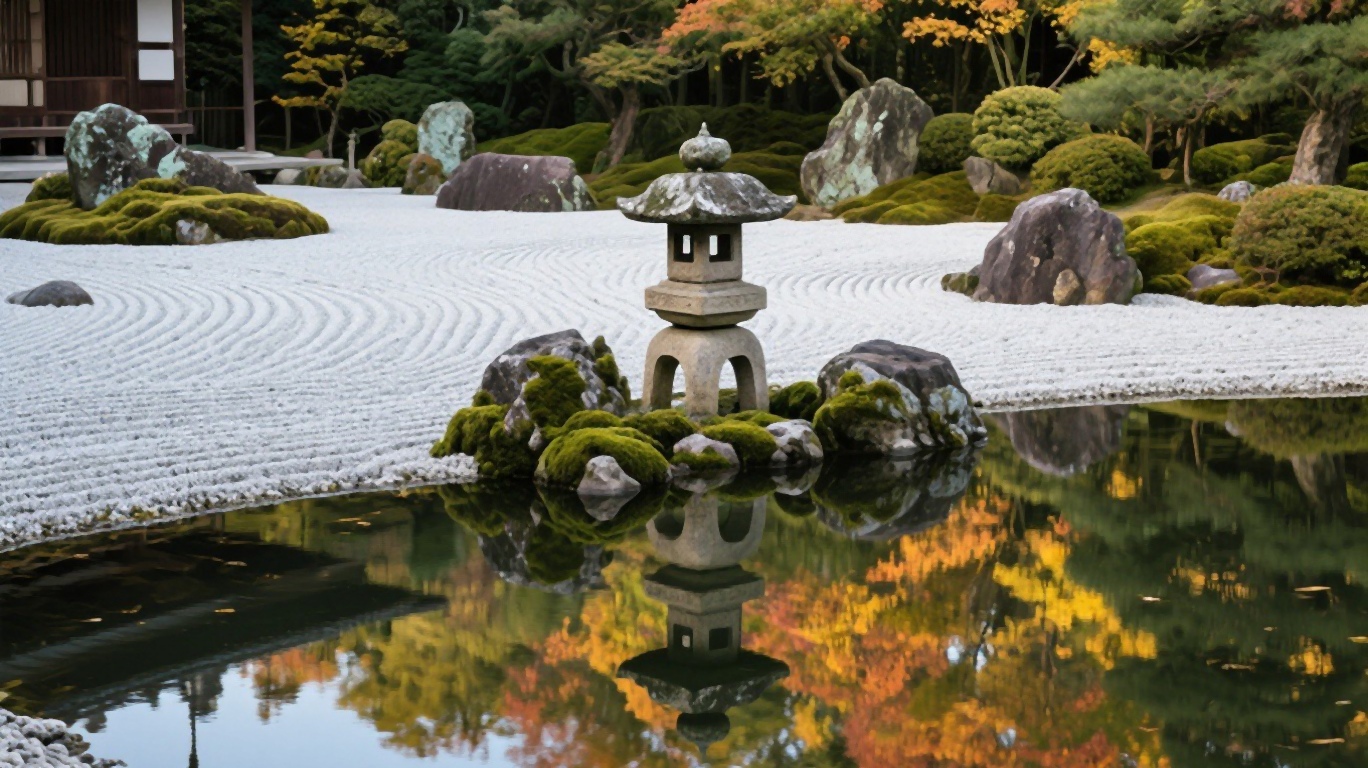
Japan has a reputation for being expensive, but it doesn’t have to be. The weak yen (around ¥155 to the dollar) has made the country significantly more affordable for Western visitors. Here’s what I actually spent per day across three budget tiers:
| Category | Budget (per day) | Mid-Range (per day) | Splurge (per day) |
|---|---|---|---|
| Accommodation | ¥3,500 / $23 (hostel dorm) | ¥12,000 / $77 (business hotel) | ¥35,000 / $226 (ryokan) |
| Food | ¥2,500 / $16 (konbini + ramen) | ¥5,500 / $35 (restaurants) | ¥15,000 / $97 (omakase + izakaya) |
| Transport | ¥1,500 / $10 (IC card, local) | ¥3,000 / $19 (JR Pass amortized) | ¥5,000 / $32 (taxis + green car) |
| Activities | ¥500 / $3 (temples, free sights) | ¥2,000 / $13 (museums + tea ceremony) | ¥8,000 / $52 (private tours) |
| Daily Total | ¥8,000 / $52 | ¥22,500 / $145 | ¥63,000 / $406 |
| 7-Day Total | ¥56,000 / $361 | ¥157,500 / $1,016 | ¥441,000 / $2,845 |
A few notes on money: Japan is still heavily cash-based, especially outside Tokyo. Carry at least ¥10,000 (~$65 USD) in cash at all times. 7-Eleven ATMs accept most international cards and don’t charge withdrawal fees beyond your bank’s own charges. Credit cards are increasingly accepted at hotels and chain restaurants, but market stalls, small ramen shops, and temple admission counters remain cash-only.
Tipping does not exist in Japan. Do not tip at restaurants, hotels, taxis, or anywhere else. It can cause genuine confusion, and in some contexts it’s considered rude — the implication being that the server needs charity. Service is included, and it’s universally excellent.
Planning tip: The budget tier is genuinely livable. Hostel dorms in Tokyo and Kyoto (try Khaosan Tokyo Kabuki or Piece Hostel Kyoto) are clean, modern, and social. Combined with konbini meals and free temple visits, you can do Japan well on $50–$60 a day excluding the JR Pass.
10. BOW CORRECTLY, WALK SAFELY: CULTURAL ETIQUETTE AND PRACTICAL SAFETY
Japan is extraordinarily safe. I left my phone on a ramen counter in Shinjuku, realized it twenty minutes later, ran back, and found it sitting exactly where I’d left it with a napkin placed over it. Violent crime against tourists is vanishingly rare, and petty theft uncommon. That said, common sense applies: watch your belongings in crowded trains during rush hour, and be aware that drink-spiking has been reported in Roppongi nightclubs, particularly in establishments with aggressive touts outside.
The biggest “danger” in Japan is cultural embarrassment, which the Japanese will forgive instantly but which you can mostly avoid. Shoes come off whenever you step onto tatami mats, wooden floors in temples, and in most ryokan — look for a shoe rack or a step up from the entrance. Slippers are usually provided; toilet slippers stay in the toilet room and should never be worn back to the dining area. I watched a fellow tourist do this at a ryokan in Kyoto. The silence that followed was deafening.
Bowing is simpler than you think: a slight nod (15 degrees) works for casual greetings and thank-yous. Don’t bow from the waist like you’re meeting the Emperor unless, well, you’re meeting the Emperor. On escalators, stand on the left in Tokyo and the right in Osaka — yes, they’re different, and locals will silently judge you if you block the passing lane. Speak quietly on trains; phone calls are essentially prohibited on local transit. Eat while walking only if you want disapproving looks.
Scam awareness: Japan is remarkably scam-free compared to most tourist destinations, but two situations deserve mention. In Kabukicho (Shinjuku’s entertainment district), touts may invite you to bars with “no cover charge” — the bill that arrives can run ¥30,000–¥50,000 ($194–$323 USD) for a few watered-down drinks. Stick to places you find yourself, not places that find you. Second, some unlicensed “geisha photo” operators in Gion charge ¥15,000+ for costume experiences that legitimate rental shops offer for a third of the price. Check reviews before booking.
Trash cans barely exist in public spaces — carry a small bag for your waste and dispose of it at convenience stores or train stations. Tattoos may bar you from public onsen (hot springs) and some pools; check the facility’s policy beforehand. And learn three phrases: sumimasen (excuse me), arigatou gozaimasu (thank you very much), and eigo no menyu wa arimasu ka (do you have an English menu?).
Planning tip: Download Google Translate’s Japanese offline language pack before your trip. The camera translation feature — point your phone at Japanese text and see English overlaid in real time — is genuinely life-saving for menus, train signs, and allergy information.
ROUTE AT A GLANCE
| Day | Location | Highlights | Transport |
|---|---|---|---|
| 1 | Tokyo | Shibuya Crossing, Shinjuku, Golden Gai, Akihabara | JR Yamanote Line + IC card |
| 2 | Tokyo | Senso-ji, Meiji Shrine, Imperial Palace Gardens, Harajuku | Metro + walking |
| 3 | Tokyo | Tsukiji Outer Market, Teamlab, food crawl (ramen + izakaya) | IC card |
| 4 | Tokyo → Kyoto | Shinkansen, Fushimi Inari Taisha, Gion evening walk | JR Pass (Hikari shinkansen) |
| 5 | Kyoto | Kinkaku-ji, Arashiyama Bamboo Grove, Nishiki Market, tea ceremony | Kyoto city bus pass |
| 6 | Nara (day trip) | Nara Park, Todai-ji, Kasuga Taisha, kakinoha-zushi lunch | Kintetsu Railway from Kyoto |
| 7 | Kyoto → Osaka | Osaka Castle, Dotonbori, Shinsekai, kushikatsu + takoyaki | JR Special Rapid to Osaka |
Some links in this article may be affiliate links. If you book through them, we earn a small commission at no extra cost to you — it helps keep this site running and our ramen fund stocked. All recommendations are based on firsthand experience and genuine enthusiasm.
Last updated: June 2026. Prices and hours are subject to change; always verify directly with venues before visiting. JR Pass pricing reflects 2024 rates and may be adjusted annually.
