
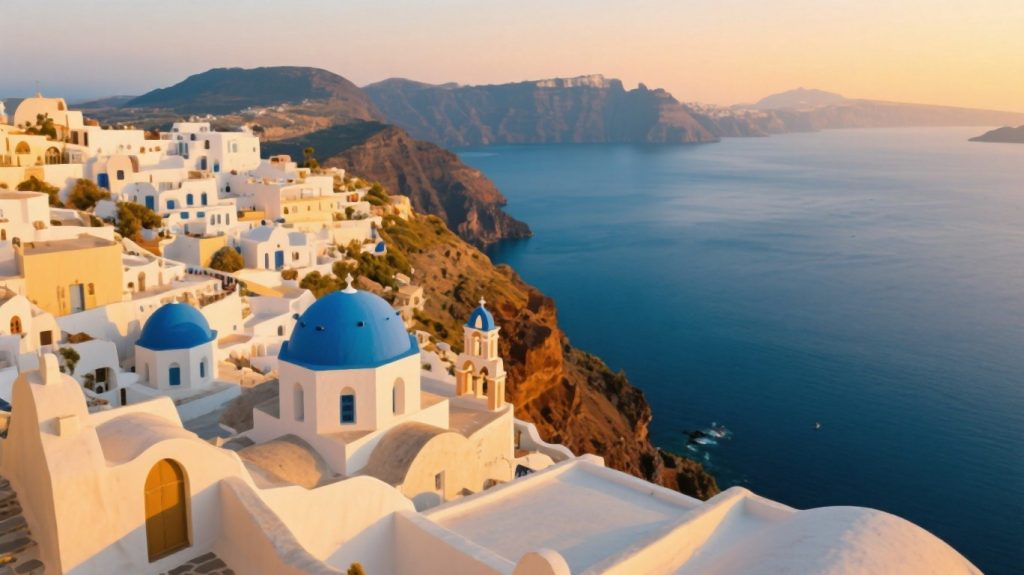
Greece ruined me for every other Mediterranean destination. I spent seven days bouncing between Athens, Santorini, and Mykonos in late June, and came back sunburned, overfed, and already planning my return. This itinerary covers the route I took — two days in Athens, two in Santorini, two in Mykonos, and one flex day — with real prices, ferry schedules, and the specific tavernas where I ate too much grilled octopus. Whether you’re traveling on €50 a day or €500, this three-island loop hits the highlights without the cruise-ship crowds.
1. ATHENS: THE ACROPOLIS AND PLAKA
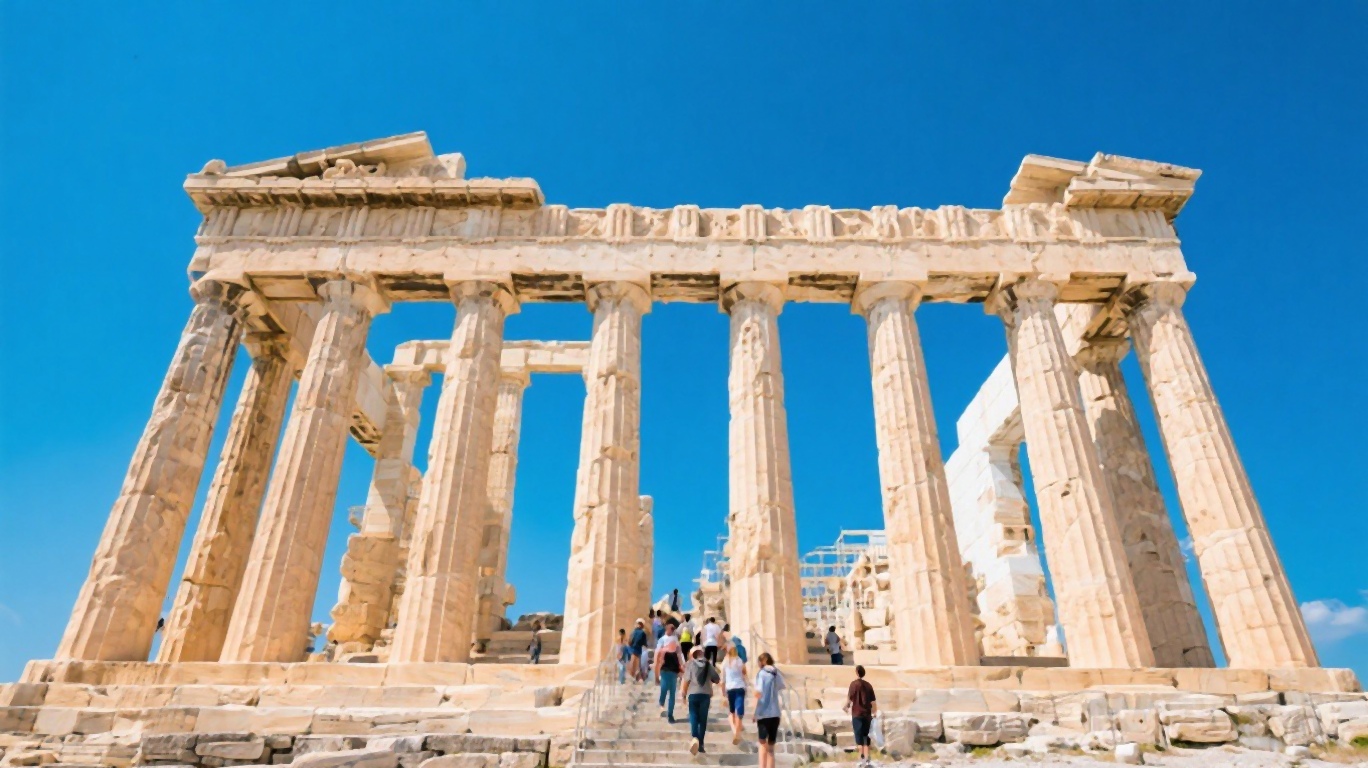
I arrived at Athens International Airport at 7 AM and took the metro (Line 3, €9 one-way, about 40 minutes) straight to Monastiraki. By 8:30 I was climbing the south slope of the Acropolis with a coffee in hand, and that early start made all the difference. By 10 AM, tour buses were dumping hundreds of people at the entrance. The Parthenon at 9 AM with maybe thirty other visitors around you is a completely different experience than the Parthenon at noon.
The combined Acropolis ticket costs €30 (€15 reduced) and covers seven archaeological sites including the Ancient Agora and the Temple of Olympian Zeus — it’s valid for five days, so there’s no rush to see everything in one morning. I spent about ninety minutes on the hill itself, walking through the Propylaea, past the Erechtheion with its Caryatid porch, and around the Parthenon. The restoration scaffolding is a permanent fixture at this point, but the scale of the place still stops you cold. Standing at the eastern end and looking down at the Theatre of Dionysus and the sprawl of modern Athens below, you feel the weight of 2,500 years of continuous habitation.
After descending, I crossed the street to the Acropolis Museum (€15 entry, closed Mondays). The glass floor on the ground level reveals an excavated ancient neighborhood beneath your feet, and the top-floor Parthenon Gallery is oriented to align with the actual building visible through the windows. I spent two hours here and could have spent three. The museum café has decent espresso and a terrace view of the Acropolis that costs nothing extra.
The rest of the afternoon went to wandering Plaka, the oldest neighborhood in Athens. The pedestrian streets below the Acropolis are lined with neoclassical houses painted in ochre and terra cotta, and once you get off Adrianou Street — the main tourist drag — the neighborhood quiets down fast. I got lost in the Anafiotika quarter, a cluster of whitewashed Cycladic-style houses built by workers from the island of Anafi in the 1840s. It feels like a Greek island village dropped onto the side of a hill in the middle of a capital city.
Planning tip: Buy the combined Acropolis ticket online at etickets.tap.gr to skip the ticket line. Arrive by 8 AM in summer — the site opens at 8 and the first tour groups hit around 9:30. Wear shoes with grip; the marble paths are polished smooth and slippery.
2. ATHENS FOOD AND NIGHTLIFE
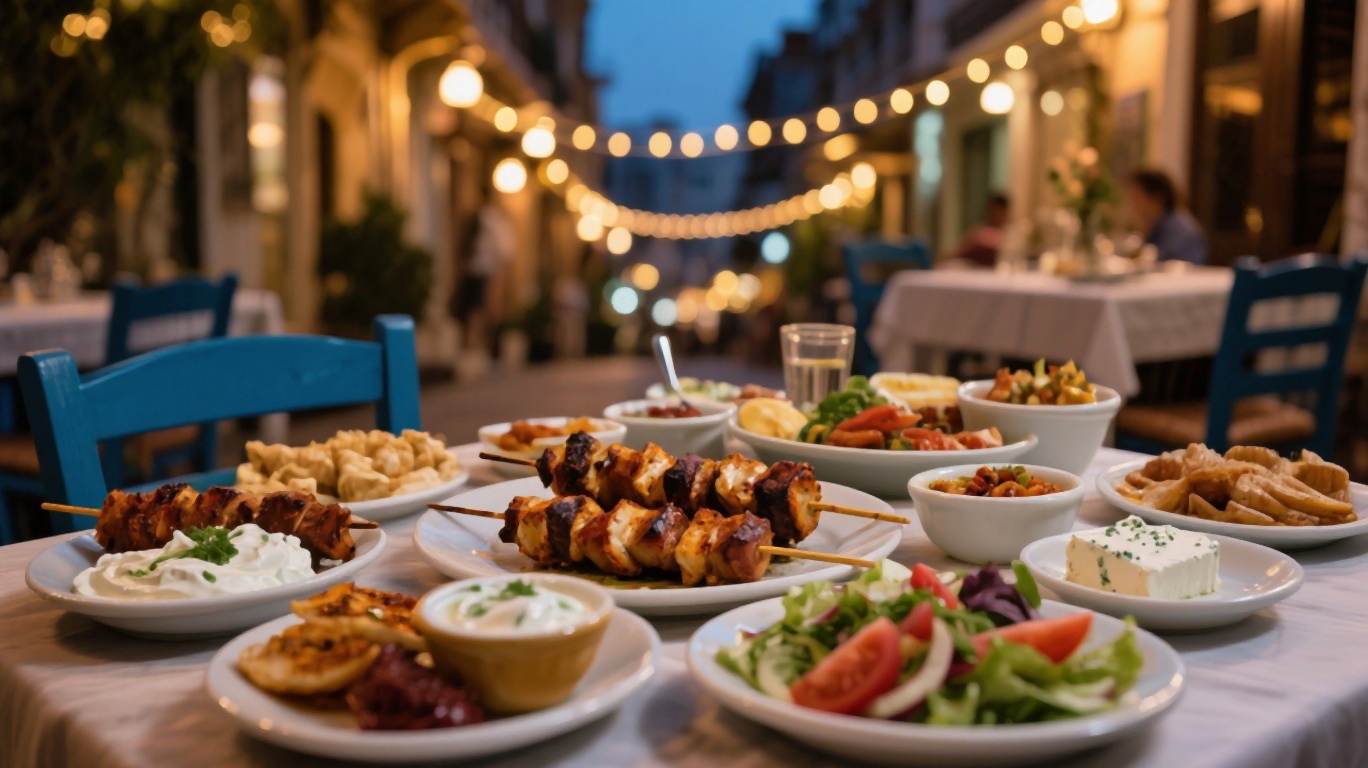
Greek food in Athens operates on a different schedule than most of Europe. Lunch runs from 1 PM to 3 PM, dinner rarely starts before 9 PM, and many tavernas don’t fill up until 10. I learned to eat like a local: a koulouri (sesame bread ring, €0.50) and coffee for breakfast, a big late lunch, and a late dinner that turned into drinks.
For souvlaki, I kept returning to Kostas in Agia Irini Square (€2.50 per wrap) — a tiny spot that’s been serving the same pork souvlaki with tomato and onion since the 1950s. The line moves fast. In Psyrri, the neighborhood just north of Monastiraki, I had the best meal of my Athens stay at Taverna tou Psyrri on Aiskhylou Street. The slow-cooked lamb with lemon potatoes (€14) was absurdly good, and the house wine came in copper jugs for €8 a half-liter. Oinopoleion on Aisopou Street is another Psyrri standout — a wine bar with small plates where I spent €35 for a full dinner with three glasses of Assyrtiko.
Athens rooftop bars are a category of their own because the Acropolis sits lit up above the city like a stage set every night. A for Athens on Miaouli Street has the most direct view — cocktails run €12-14 and you’ll want to arrive by 7 PM to get a good seat for sunset. Couleur Locale in Monastiraki is less known, tucked inside a building with no signage, and the Acropolis view from its terrace is arguably better. I paid €10 for an Aperol spritz and sat there for two hours watching the sky change color behind the Parthenon.
After dinner, Psyrri and the neighboring Gazi district are where Athens goes out. The bar scene in Psyrri is casual — beer and meze at outdoor tables, live rebetiko music spilling out of doorways. Gazi, centered around the old gasworks on Pireos Street, trends younger and louder, with clubs that don’t really get going until midnight. I’m not a club person, but I liked Six d.o.g.s on Avramiotou Street, a bar and cultural space with a garden courtyard that felt like a house party.
Planning tip: Tavernas in Plaka along the main pedestrian streets are tourist traps with inflated prices and mediocre food. Walk five minutes into Psyrri or Koukaki for better meals at lower prices. If a restaurant has a guy outside trying to wave you in, keep walking.
3. SANTORINI: OIA AND THE CALDERA
I took the Blue Star ferry from Piraeus to Santorini — about 7.5 hours, €42 for a deck seat. The fast ferry (SeaJets, 5 hours, €72) saves time but beats you up on rough seas. The slow boat was fine: I bought a cheese pie from the cafeteria, read a book, and watched the Cyclades emerge from the Aegean one by one. When Santorini’s caldera cliffs finally rose out of the water, every passenger rushed to the deck railing.
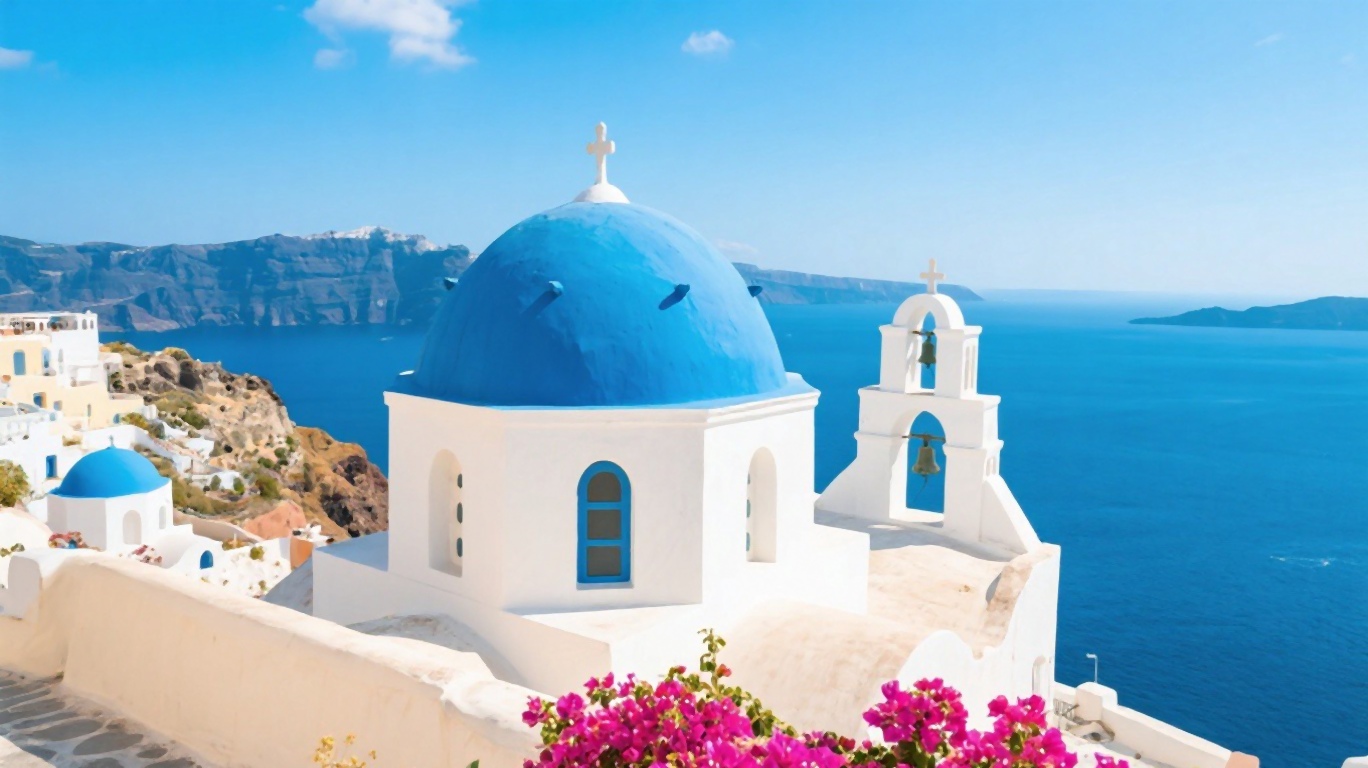
Oia sits at the northern tip of the island, and yes, it really is that beautiful. The village cascades down the caldera cliff in layers of white cubes, blue domes, and pink bougainvillea, and the light there does something I’ve never seen anywhere else — everything glows. I stayed at a cave hotel carved into the cliff (€180/night in June, but these range from €120 to €800+ depending on season and caldera view). Walking the marble paths of Oia at 7 AM before the cruise ship passengers arrive by bus from Fira is the way to experience it. By 11 AM the main path is shoulder-to-shoulder.
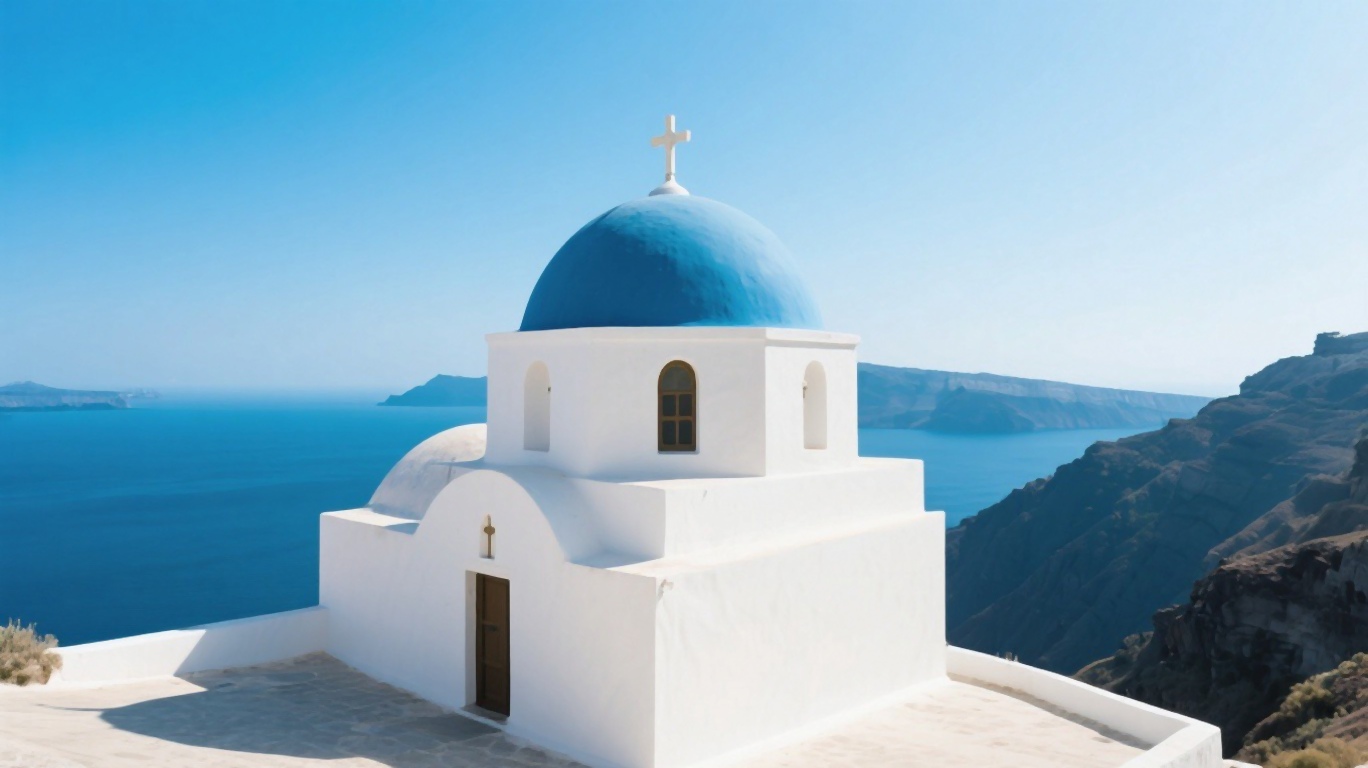
The blue-domed churches you see in every Greece photo are real and they’re in Oia — the most photographed ones sit below the main path near the Oia Castle ruins. Follow the steps down from the main walkway near Lotza restaurant and you’ll find them. The Oia sunset is legendary for a reason: the sun drops directly into the caldera, turning the cliffs orange and then purple. People start claiming spots at the castle ruins by 5 PM in summer. I found a better vantage point at one of the restaurants along the caldera path — €15 for a glass of Vinsanto dessert wine and an unobstructed view without the crowd crush.
The caldera hike from Fira to Oia is the single best thing I did on Santorini. It’s roughly 10 kilometers along the cliff edge, takes 3-4 hours depending on pace, and passes through the villages of Firostefani and Imerovigli. The trail isn’t marked well in spots and there are some scrambles over loose volcanic rock, so proper shoes matter. I started at 7 AM from Fira, reached Imerovigli (the highest point on the caldera rim) by 9, and dropped into Oia around 11. The views the entire way are relentless — the caldera below, Nea Kameni volcano in the center, Thirassia island across the water.
Planning tip: Hike Fira to Oia (not the reverse) so you walk toward the most dramatic scenery. Start before 8 AM in summer — there’s almost no shade on the trail and temperatures hit 35°C by midday. Carry at least 1.5 liters of water. Take the €1.80 bus back from Oia to Fira.
4. SANTORINI BEACHES AND WINE
Santorini’s beaches aren’t the white-sand postcard beaches of the Ionian islands — they’re volcanic, dramatic, and weird in the best way. Red Beach near Akrotiri is a short crescent of rust-colored sand and pebbles backed by a towering red lava cliff. Getting there requires a 10-minute walk from the parking lot along a narrow path cut into the cliff (wear real shoes, not flip-flops). The beach itself is small and gets packed by noon, but the colors — red cliff, black rock, teal water — are surreal. There are no sunbed rentals here, just bring a towel.
Perissa, on the southeast coast, is the main beach for actually spending a day. The sand is jet black volcanic grit, and the water is warm and calm. Sunbeds cost €8-12 for a set of two with an umbrella, and the beach bars along the shore serve food and drinks all day. I spent an afternoon at Perivolos (the continuation of Perissa beach to the west), where the vibe is more laidback and the beachfront restaurants are better. A lunch of grilled sardines, Greek salad, and a beer at one of the tavernas along Perivolos cost €22.
Santorini’s volcanic soil produces wines unlike anywhere else in Greece. The Assyrtiko grape thrives here, producing crisp, mineral whites that taste like the island — sea salt, citrus, volcanic rock. I did a tasting at Santo Wines, perched on the caldera rim between Fira and Pyrgos. The tasting flight of six wines costs €25, and the terrace overlooks the caldera with the same view you’d pay €200/night for at a hotel. The Nykteri (a barrel-aged Assyrtiko) was my favorite — I bought two bottles at €18 each. Venetsanos Winery nearby is smaller, built into an old industrial wine facility on the cliff, and charges €20 for a four-wine tasting with cheese and olives.
Don’t skip the Akrotiri archaeological site (€12 entry), a Minoan Bronze Age city preserved under volcanic ash — essentially Greece’s Pompeii. The three-story buildings and frescoes date to 1600 BC, and the covered walkways let you look down into excavated streets. It’s a 20-minute bus ride from Fira and pairs naturally with a Red Beach visit since they’re right next to each other.
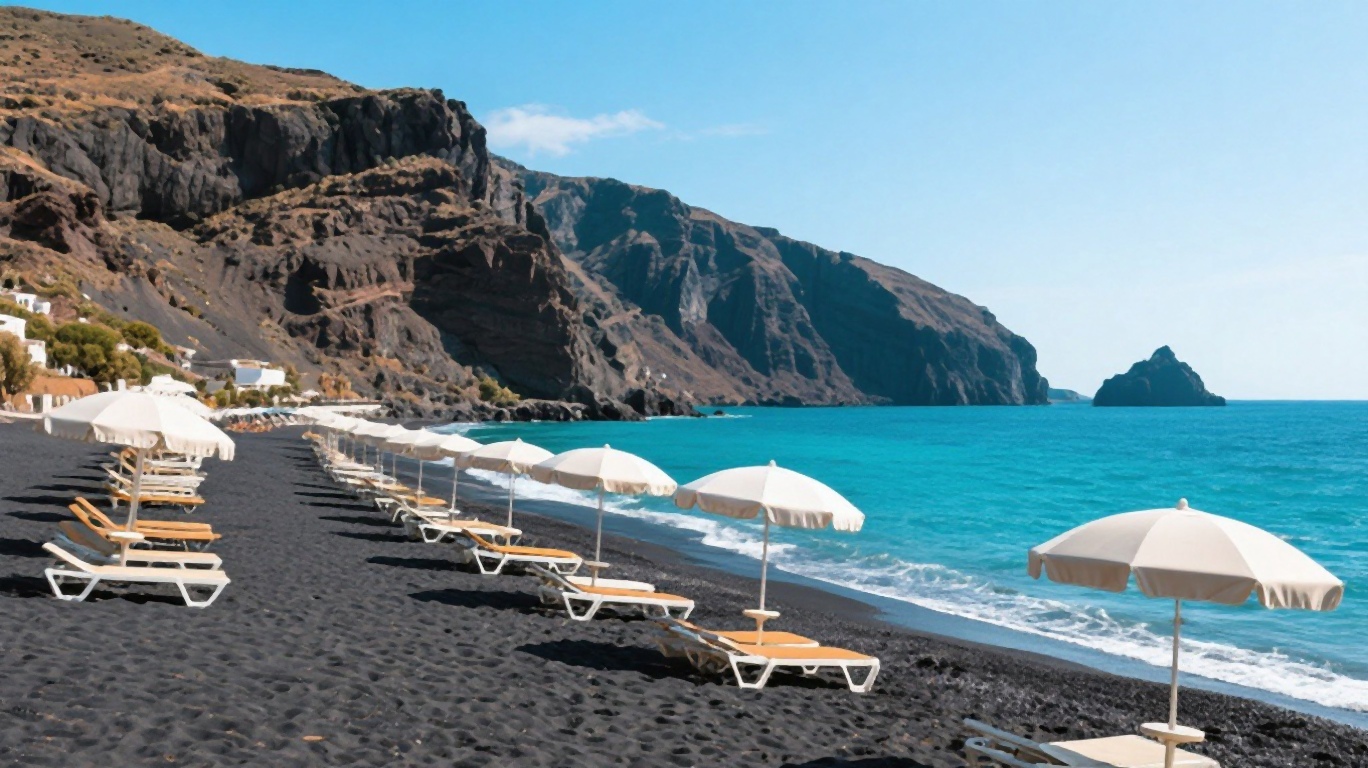
Planning tip: Visit Red Beach and Akrotiri in the morning, then head to Perissa/Perivolos for the afternoon. End the day with a wine tasting at Santo Wines timed for sunset (book the 6 PM or 7 PM slot online — walk-ins during sunset are hit or miss).
5. MYKONOS: LITTLE VENICE AND WINDMILLS
The ferry from Santorini to Mykonos takes about 2.5 hours on the fast boat (SeaJets, €65) or 4-5 hours on the conventional ferry (€30). I arrived at the new port in Tourlos and took the €2 bus into Mykonos Town (Chora). The island hit differently than Santorini — where Santorini is all vertical drama and caldera views, Mykonos is flat, windswept, and buzzing with energy. The vibe is more Ibiza-meets-fishing-village.
Little Venice is the waterfront quarter of Mykonos Town where the medieval houses are built right to the water’s edge, their wooden balconies hanging over the waves. In the late afternoon, when the sun drops toward the sea and the light turns golden, every bar along the waterfront fills up. I sat at Caprice Bar with a €14 cocktail and watched waves splash against the foundation of the building. It’s touristy and the drinks are overpriced, but the setting earns it. The row of 16th-century windmills just south of Little Venice stands on a low hill and makes for the classic Mykonos photo — I walked up at sunrise and had them to myself.
Panagia Paraportiani is a whitewashed church near the old port that looks like five buildings melted together — because it is. It’s actually five small churches built on top of and next to each other between the 15th and 17th centuries, and the result is this organic, sculptural mass of white curves. It’s the most photographed church in Greece, and in person it’s genuinely striking. The old port area around it is the quieter side of Mykonos Town, with fishing boats, pelicans (yes, the town has resident pelicans), and less commercial energy than the main shopping streets.
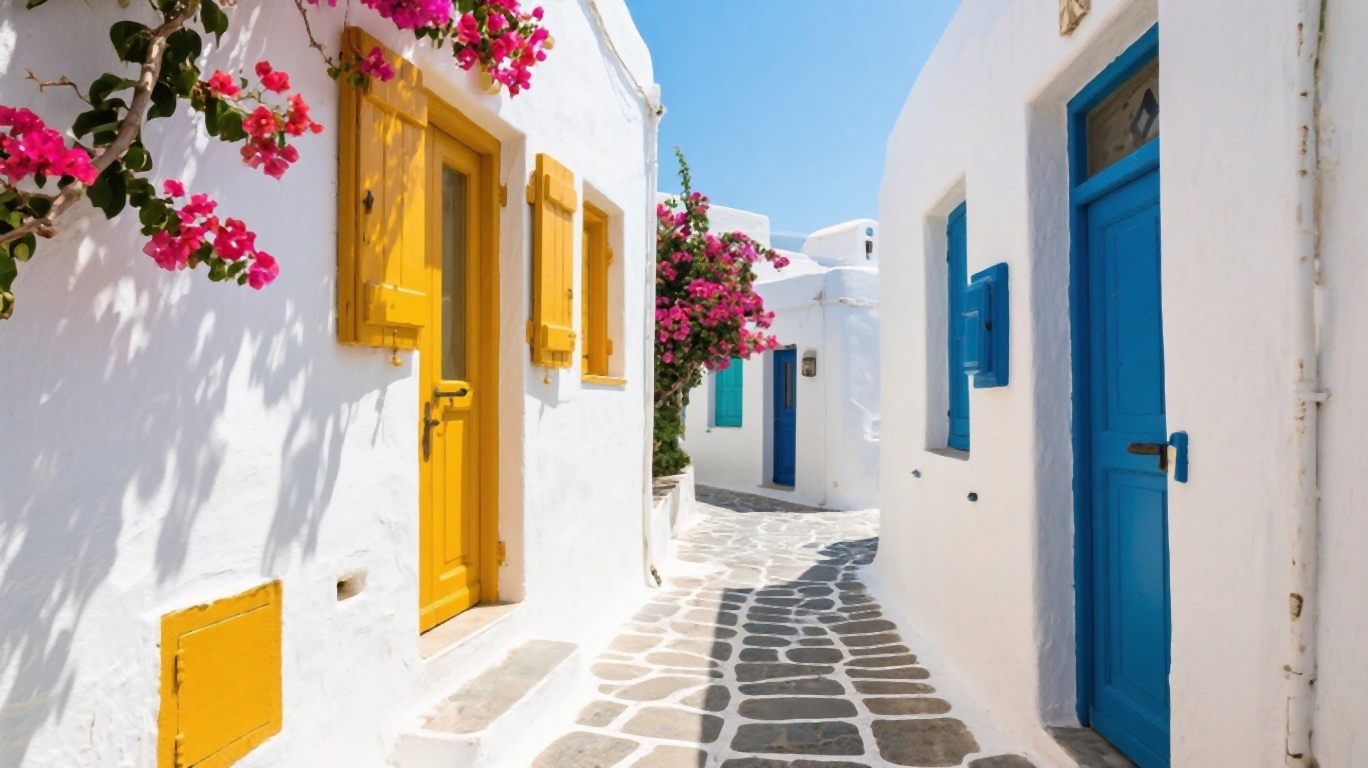
The Matoyianni Street shopping strip runs through the center of town and is wall-to-wall boutiques, jewelry shops, and gelato stands. I’m not a shopper, but the side alleys off Matoyianni are worth exploring — tiny whitewashed passages with bougainvillea overhead, cats sleeping on doorsteps, and the occasional hole-in-the-wall bar. Mykonos Town is genuinely photogenic from every angle, even the back streets where no one goes.
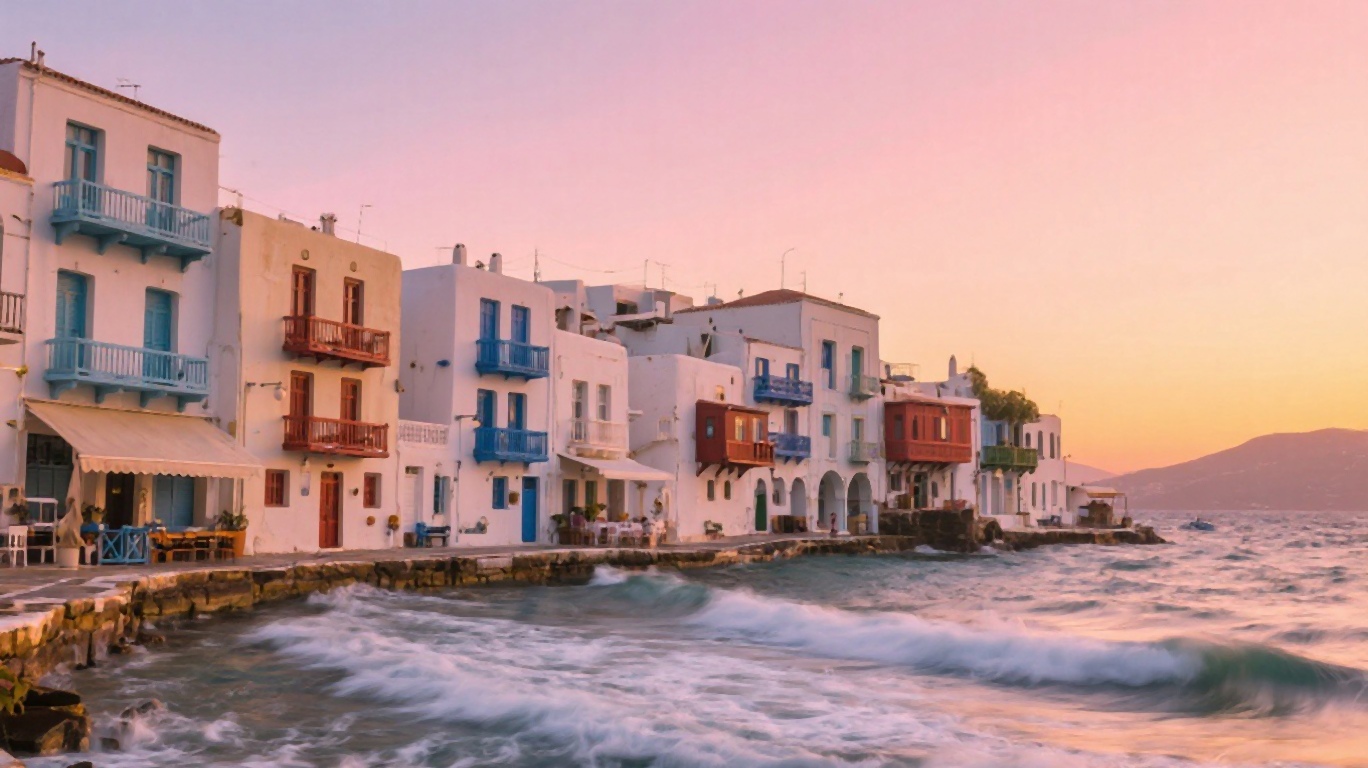
Planning tip: Mykonos Town is best explored on foot early morning (before 9 AM) or late afternoon (after 5 PM). Midday, the cruise ship passengers flood the narrow streets and it becomes genuinely difficult to move. The town is small — you can walk end to end in 15 minutes without the crowds.
6. MYKONOS BEACHES AND PARTY SCENE
Mykonos beaches are organized around a simple spectrum: the further south you go, the louder and more party-oriented they get. Paradise Beach is the most famous, with thumping bass from beach bars starting around 2 PM and full-on DJ sets by 4. A sunbed at Paradise costs €20-30 depending on location, and cocktails run €15-18. It’s a scene — mostly 20-somethings, lots of energy, lots of noise. If that’s your thing, it delivers.
Super Paradise, one cove south, takes it up another notch. The beach club JackieO’ runs the main operation here, and by late afternoon it’s essentially an open-air club. Cover charges apply after 4 PM on peak days (€20-30 with a drink included). The water is actually gorgeous — clear turquoise in a sheltered cove — and before noon the beach is relatively calm. I went in the morning, swam, and left before the speakers kicked in.
Scorpios, on Paraga Beach, is the most curated beach club experience on the island. It’s owned by the Soho House group and styled as a bohemian-luxe sunset destination — think linen cushions, driftwood furniture, world-music DJ sets that build slowly through the afternoon. No sunbed fees, but minimum spend applies (around €50-80 per person in practice). The sunset ritual they do, with live musicians and everyone facing west, is genuinely memorable. Nammos on Psarou Beach is the celebrity and yacht-crowd spot — sunbeds start at €60, a lobster pasta is €90, and a bottle of rosé can run €200. I walked through, looked at the prices, and walked out. It’s impressive in a Dubai-on-the-beach kind of way.
For a quieter beach day, Agios Sostis on the north coast has no beach bars, no sunbeds, and no road noise — just a crescent of sand and clear water with a few dozen people. Fokos Beach nearby is similar. These feel like a different island entirely from the south coast party beaches. I split my Mykonos beach time between one afternoon at Scorpios and one morning at Agios Sostis, which felt like the right balance.
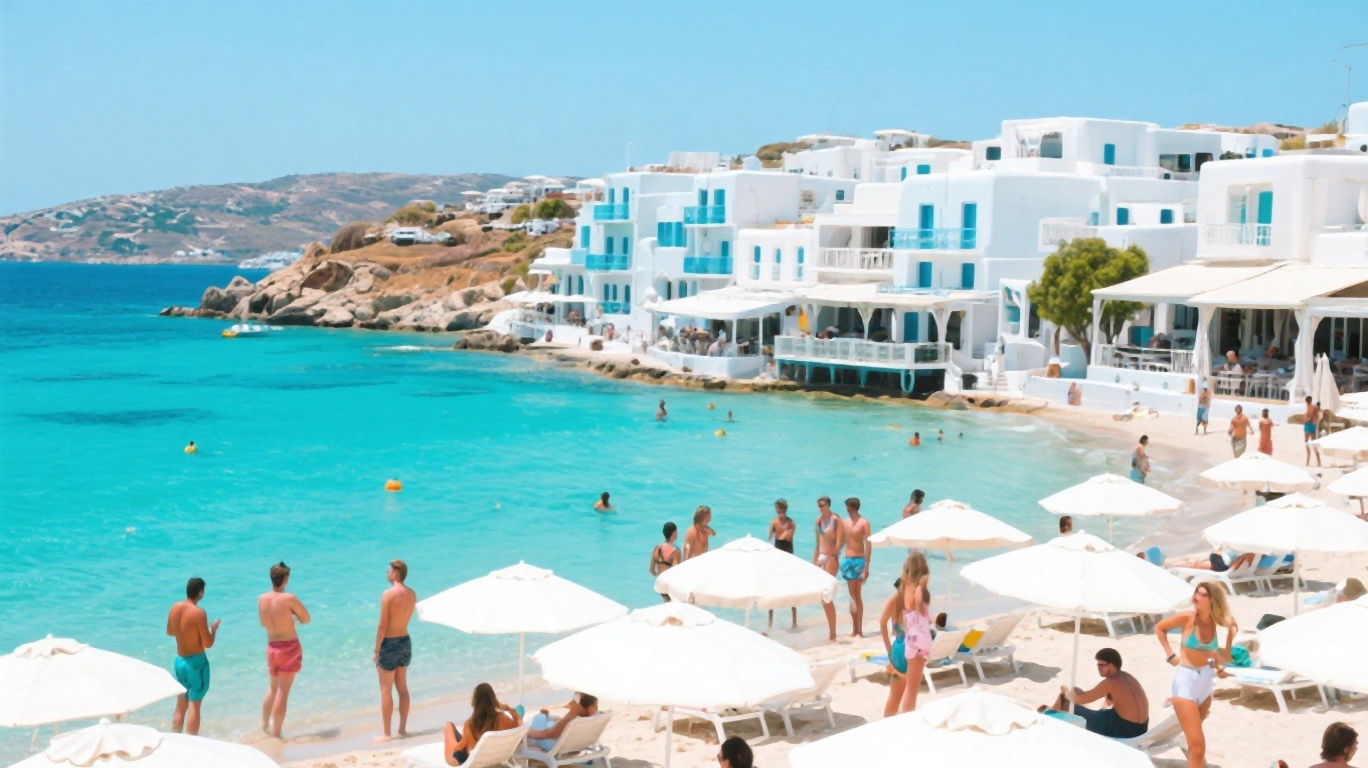
Planning tip: Beach buses run from Mykonos Town’s Fabrika station to the southern beaches every 30 minutes in summer (€2 each way). Scorpios fills up fast — arrive by 2 PM if you want a good spot without a reservation. For quiet beaches, rent an ATV (€25-35/day) since north coast beaches have no bus service.
7. ISLAND HOPPING LOGISTICS
The Athens-Santorini-Mykonos triangle is the most popular island-hopping route in Greece, and the ferry connections are frequent and reliable in summer. Two main companies run the routes: Blue Star Ferries operates conventional (slow) ferries with large car decks, cabins, and outdoor decks. SeaJets and Hellenic Seaways run high-speed catamarans that cut travel times roughly in half but cost more and bounce around in rough weather.
For the Piraeus to Santorini leg, the Blue Star departs daily around 7:25 AM and arrives at 2:45 PM (€42 deck, €55 economy seat, €90+ cabin). SeaJets runs a fast catamaran departing around 7 AM, arriving at noon (€72 economy). I took the Blue Star on the way out and SeaJets on the return. The slow ferry was more comfortable — real outdoor decks, space to walk around, a functioning cafeteria. The SeaJets catamaran felt like a cramped airplane with no legroom, but it saved 2.5 hours.
Santorini to Mykonos is a direct connection that runs 2-3 times daily in peak season. The fast ferry takes about 2-2.5 hours (€55-65), the conventional ferry 4-5 hours (€28-35). Mykonos back to Piraeus is either 5.5 hours by fast ferry (€60-70) or 2.5 hours by air (Aegean Airlines or Sky Express, €45-120 depending on timing). I flew back — the 25-minute flight from Mykonos to Athens was €65 booked two weeks ahead on Sky Express, and after a week of ferries I was happy to skip the boat.
Booking matters. In July and August, popular ferry routes sell out, especially the fast boats. I booked everything through FerryHopper.com about three weeks in advance, which was sufficient for mid-June. For peak July/August, book 4-6 weeks ahead. Port transfers on the islands are straightforward — Santorini’s Athinios port is connected to Fira by a €2.50 bus that meets every ferry. Mykonos’s new port at Tourlos has a similar €2 bus into town. Don’t take a taxi from the port unless you like paying €15-20 for a five-minute ride.
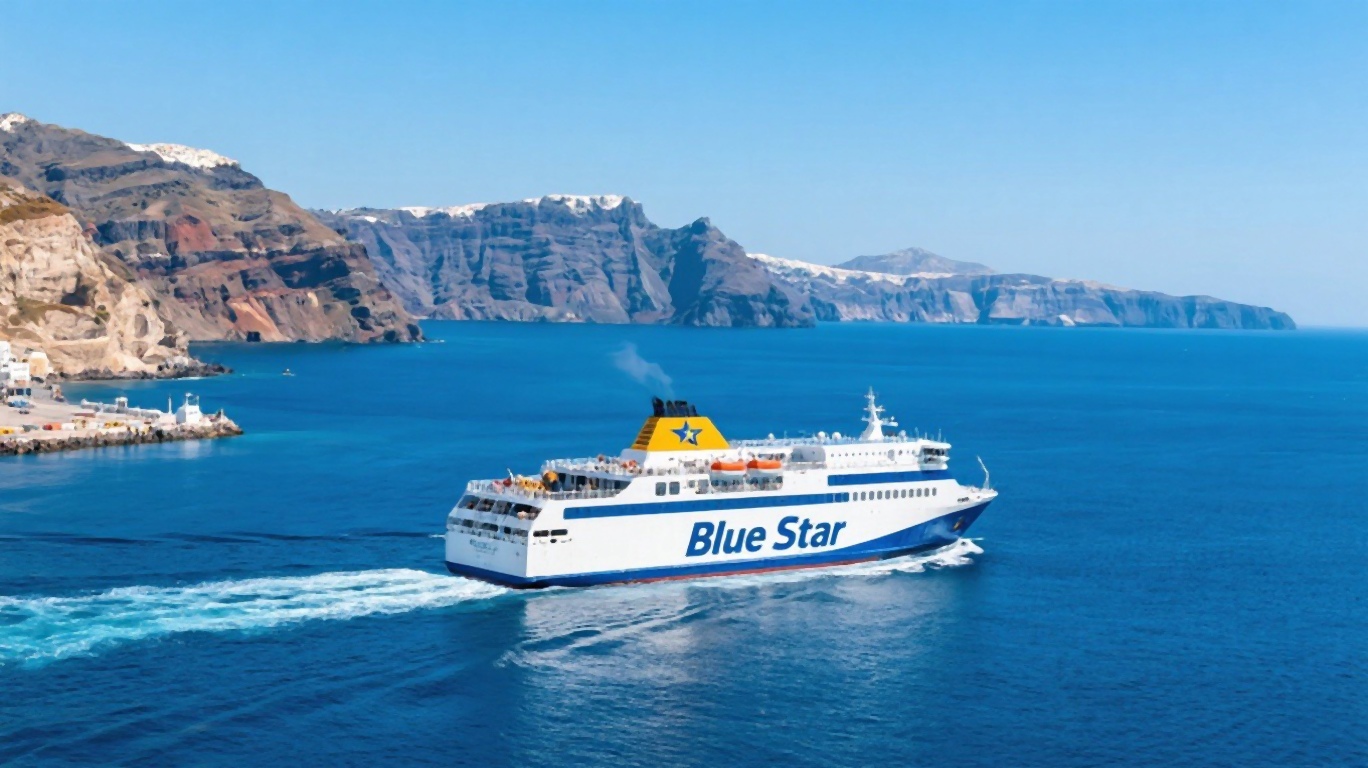
Planning tip: Book ferry tickets on FerryHopper.com or DirectFerries.com rather than at port ticket offices, which charge the same price but have long lines. Screenshot or print your tickets — cell service at ports is spotty and you don’t want to be fumbling for a QR code with 300 people behind you.
8. GETTING AROUND GREECE
Athens is easy to navigate on public transit. The metro has three lines, runs from 5:30 AM to midnight (until 2 AM on Fridays and Saturdays), and a single ticket costs €1.20 (€0.50 reduced). A five-day tourist ticket covering metro, buses, and trams costs €8.20 — that’s the move if you’re in Athens for two or more days. The airport express bus (X95 to Syntagma Square, €5.50) is cheaper than the metro if you’re just going to the city center. Taxis from the airport run €40 fixed rate to the center, or €55 between midnight and 5 AM.
On the islands, the equation changes. Santorini has a decent bus network run by KTEL that connects Fira to Oia (€1.80, 25 minutes), Perissa (€2.50, 30 minutes), Akrotiri (€2, 20 minutes), and other villages. Buses run roughly every 30-60 minutes in summer, with the last bus usually around 11 PM. The Fira bus station is the hub for everything. Taxis exist but they’re scarce and expensive — a ride from Fira to Oia costs €20-25. I rented an ATV (quad bike) for one day at €35 and it was worth it for the freedom to stop at random viewpoints and reach spots the bus doesn’t go. You’ll need an international or EU driving license.
Mykonos is similar — bus service connects the town to major beaches and the airport, but schedules are inconsistent and buses get packed in peak season. I rented a scooter for €25/day from a shop near Fabrika station. Driving on Mykonos is chaotic — the roads are narrow, there are no sidewalks in town, and everyone drives like they’re late for a ferry. But having your own wheels to reach the north coast beaches (Agios Sostis, Fokos) is the only practical option unless you hire a taxi at €15-20 each way.
Domestic flights between Athens and the islands are short (25-40 minutes) and sometimes cheaper than ferries if booked early. Aegean Airlines and Sky Express are the two carriers. I found one-way flights from €45-65 when booking two to three weeks ahead. Athens to Santorini and Athens to Mykonos both have multiple daily flights. The downside is that island airports are tiny and delays ripple fast — my Mykonos departure was delayed 45 minutes because one Airbus was hogging the single gate.
Planning tip: Don’t rent a car on Santorini or Mykonos unless you genuinely need one for luggage or group travel. Parking is a nightmare in Fira, Oia, and Mykonos Town, and the narrow roads weren’t built for modern cars. ATVs and scooters are cheaper, easier to park, and more fun on island roads.
9. BUDGET BREAKDOWN
Greece can be cheap or ruinously expensive depending on where you eat, sleep, and drink. Athens is genuinely affordable by European capital standards. The islands are another story — Santorini and Mykonos are the two most expensive islands in Greece, and in July/August, prices spike 30-50% above shoulder season. Here’s what I found across three budget levels for a 7-day trip.
On a budget tier (€65-85/day, ~$70-92 USD), you’re staying in hostels or basic guesthouses (€25-40/night), eating souvlaki and bakery food for most meals (€8-12/meal), taking buses and slow ferries, and skipping the beach clubs. This is doable but requires discipline on the islands — a single cocktail at a Mykonos beach bar eats a third of your daily food budget. Athens on a budget is easy; Santorini and Mykonos on a budget is possible but less fun.
The mid-range tier (€150-220/day, ~$162-238 USD) is where Greece really shines. You get a nice hotel with a view (€80-150/night), eat at proper tavernas for every meal (€15-25/meal), take a mix of fast and slow ferries, rent an ATV for a day, and do a wine tasting or two. This is the sweet spot — comfortable without feeling like you’re hemorrhaging money. My trip fell in this range and I averaged about €185/day including ferries and flights.
The splurge tier (€400-600+/day, ~$432-648+ USD) opens up caldera-view cave hotels in Oia (€300-800/night), dinner at places like Ammoudi Bay fish restaurants in Santorini (€60-80/person), VIP sunbeds at Nammos (€100+), cocktails at every rooftop in Athens, and fast ferries or flights for every leg. Mykonos in particular can absorb money at an astonishing rate — a day at Scorpios with drinks and dinner can easily hit €200/person.
| Expense | Budget (€/day) | Mid-Range (€/day) | Splurge (€/day) |
|---|---|---|---|
| Accommodation | €25-40 | €80-150 | €300-800 |
| Food & Drinks | €15-25 | €40-60 | €80-150 |
| Transport (daily avg) | €8-12 | €15-25 | €30-50 |
| Activities | €5-10 | €15-30 | €40-80 |
| Daily Total | €65-85 | €150-220 | €400-600+ |
| 7-Day Total | €455-595 | €1,050-1,540 | €2,800-4,200+ |
| 7-Day Total (USD) | $491-643 | $1,134-1,663 | $3,024-4,536+ |
Planning tip: The biggest savings come from timing. Visit in late May, June, or September instead of July/August and you’ll pay 20-40% less for accommodation while getting better weather (less brutal heat) and fewer crowds. Shoulder season is the real sweet spot for Greece.
10. GREEK CULTURE AND SAFETY
Greece is one of the safest countries in Europe for travelers, and violent crime against tourists is essentially nonexistent. That said, petty annoyances exist and a few cultural norms are worth knowing before you arrive. The biggest adjustment is the daily rhythm. Greeks observe an informal siesta between roughly 2 PM and 5 PM — shops close, streets empty, and noise is frowned upon in residential neighborhoods. Plan museum visits, beach time, or naps for this window, and save shopping for the evening when everything reopens.
Tipping in Greece isn’t American-style but it’s not nothing. At sit-down restaurants, rounding up or leaving 5-10% is standard and appreciated. Taxi drivers don’t expect tips but won’t refuse them. Hotel housekeeping gets €1-2 per day if you want to leave something. At beach bars and clubs, service is often included in the prices, but leaving loose change or a euro per round is normal.
Church dress codes are enforced at major religious sites. Shoulders and knees must be covered at monasteries and most active churches. I saw people turned away from Panagia Paraportiani in tank tops. Carry a light scarf or long-sleeve shirt in your bag — it weighs nothing and saves awkwardness. Greek Orthodox churches are active places of worship, not museums, so keep voices down and don’t photograph during services.
Athens taxi scams are the most common tourist complaint. The classics: drivers “forgetting” to turn on the meter, taking long routes from the airport, or quoting flat rates that are double the metered fare. Use the Beat app (Greece’s version of Uber — actual Uber doesn’t operate here) for pre-priced rides, or insist on the meter. The fixed airport-to-center rate is €40 daytime, €55 nighttime — don’t pay more. On the islands, taxis are generally honest but scarce, and you’ll often share rides with strangers heading the same direction, which is normal and expected.
A few other notes: Greek pharmacies (marked with a green cross) are excellent and pharmacists can recommend and dispense many medications that require prescriptions elsewhere. Tap water in Athens is safe to drink; on Santorini and Mykonos it’s desalinated and safe but tastes awful, so everyone buys bottled. Most restaurants and shops accept credit cards, but small tavernas, buses, and kiosks are often cash-only — carry €50-100 in small bills at all times.
Planning tip: Download the Beat app before arriving in Athens — it works like Uber with upfront pricing and eliminates the taxi meter issue entirely. On the islands, pre-arrange airport and port transfers through your hotel, which usually costs the same as a taxi but saves the scramble of finding one.
Suggested 7-Day Route
| Day | Location | Highlights |
|---|---|---|
| Day 1 | Athens | Acropolis, Acropolis Museum, Plaka walk, Psyrri dinner |
| Day 2 | Athens | Ancient Agora, National Garden, Monastiraki flea market, rooftop bars |
| Day 3 | Santorini | Morning ferry, arrive Fira, caldera walk, Fira sunset |
| Day 4 | Santorini | Fira-Oia hike, Oia exploration, Santo Wines tasting, Oia sunset |
| Day 5 | Santorini → Mykonos | Red Beach, Akrotiri, afternoon ferry to Mykonos, Little Venice sunset |
| Day 6 | Mykonos | Mykonos Town morning, beach afternoon (Paradise or Scorpios), nightlife |
| Day 7 | Mykonos → Athens | Agios Sostis beach morning, afternoon flight to Athens |
This article contains affiliate links. If you book through our links, we earn a small commission at no extra cost to you — it helps keep DriftTrails running.
Updated July 2026. Prices and schedules verified at time of publication. Ferry schedules are subject to seasonal changes — always confirm on FerryHopper.com before booking.
