

I’d been in Bali for exactly forty-five minutes when a macaque stole my sunglasses. Not knocked them off — stole them, with the practiced hand of a pickpocket who’d done this a thousand times before. A temple attendant laughed, offered the monkey a handful of peanuts, and my Ray-Bans were returned. Welcome to the Island of the Gods, where even the wildlife runs a hustle, and every single day delivers something you didn’t plan for.
Over five weeks, I worked my way from Ubud’s misty ravines to the salt-sprayed cliffs of Uluwatu, eating my weight in nasi campur and spending roughly what a decent hotel room costs per night in Manhattan — for the entire trip. This guide is everything I wish I’d known before I landed at Ngurah Rai, broken into ten chapters that follow the route I’d take if I had to do it all over again.
1. UBUD’S CULTURAL HEART
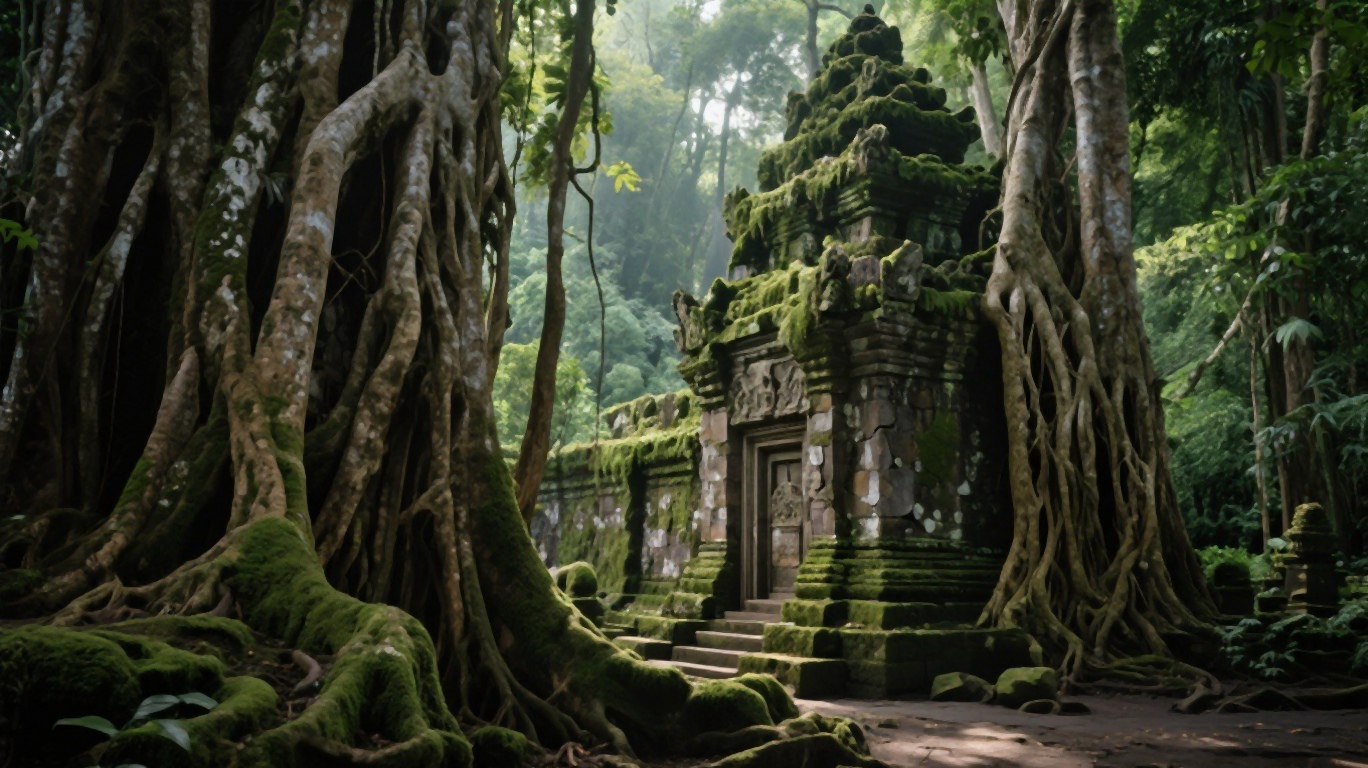
Ubud sits in a river valley about an hour north of the airport, and it breathes differently from the rest of Bali. The air is cooler, the traffic a shade less murderous, and every second shopfront sells either yoga pants or ceremonial offerings. Start at the Sacred Monkey Forest Sanctuary (Jl. Monkey Forest; 80,000 IDR / ~$5 USD), but go early — by 10 a.m. the tour buses arrive, and the narrow paths between banyan roots become a bottleneck. Don’t bring food, don’t make eye contact with the macaques, and keep zippers closed. I watched a monkey unzip a backpack in under three seconds.
From the forest, walk north along Jalan Hanoman to the ARMA Museum (Jl. Raya Pengosekan; 80,000 IDR / ~$5 USD), which houses traditional Kamasan-style paintings alongside modern Balinese art. The garden alone is worth the ticket. For lunch, cut over to Warung Biah Biah (Jl. Suweta 18; mains 35,000–55,000 IDR / $2.20–$3.50), a no-frills local spot where the ayam betutu — slow-cooked chicken in banana leaf — melts off the bone. Afternoons belong to the Ubud Royal Palace (free entry during the day) and the art market across the street, where you should absolutely haggle — start at 40% of the asking price and work up.
If yoga is your thing, drop into The Yoga Barn (Jl. Hanoman; drop-in classes 150,000 IDR / ~$9.50) for a morning vinyasa flow, or try the donation-based community class at Radiantly Alive (Jl. Pengosekan 1). Evenings, catch a traditional Legong dance performance at the Royal Palace (100,000 IDR / ~$6.30) — the firelight flickering across the dancers’ gold headdresses is something no Instagram reel can replicate.
Planning tip: Book accommodation on the east side of Jalan Monkey Forest or along Jalan Kajeng for walkability. West-side lodges are cheaper but you’ll need a scooter for everything. Two full days is the minimum for Ubud; three lets you breathe.
2. RICE TERRACES: TEGALLALANG VS. JATILUWIH
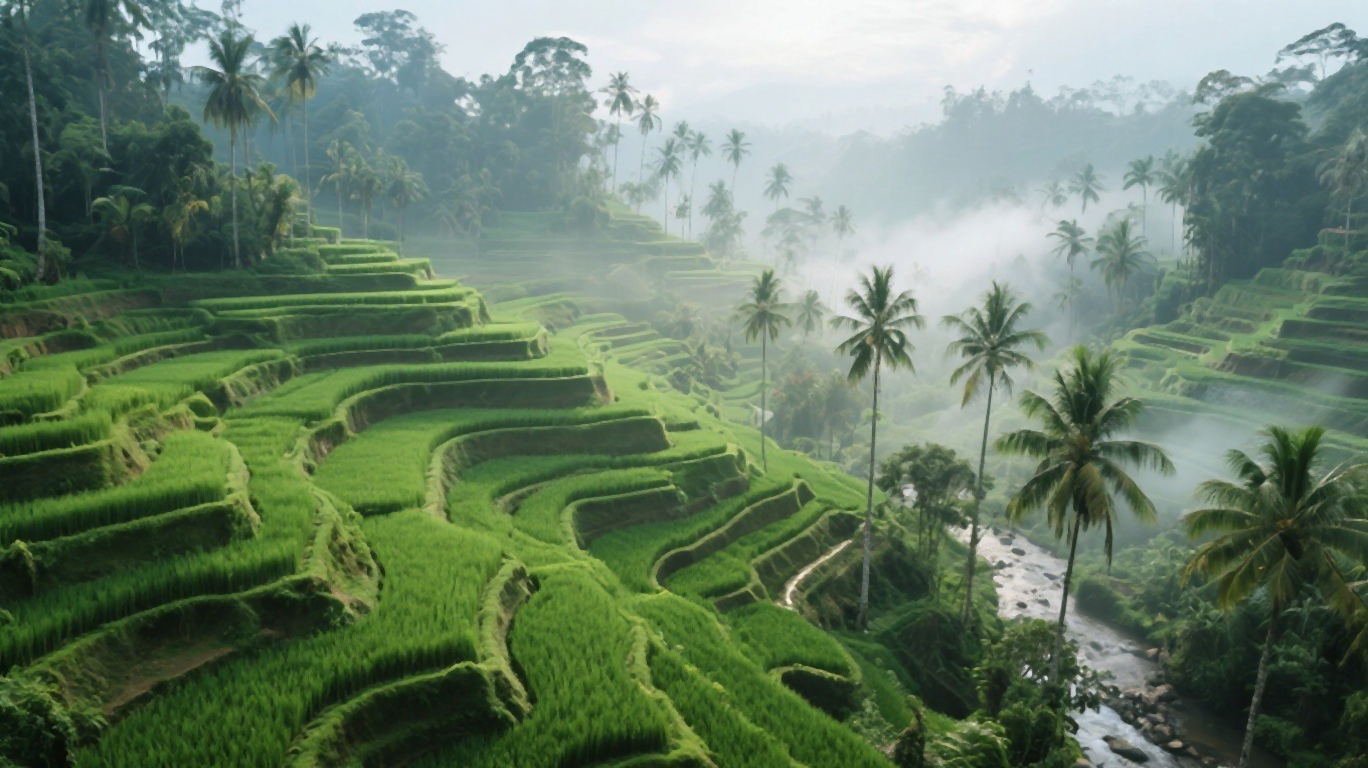
Let’s settle this: Tegallalang is the postcard, Jatiluwih is the experience. Tegallalang (15 minutes north of Ubud; 15,000 IDR / ~$1 entry) is stunning, compact, and absolutely overrun by noon. You’ll dodge selfie sticks and pay “donation” fees at every switchback — locals have set up rope barriers across the terraces and charge 10,000–20,000 IDR to pass. It’s mildly annoying but the views are genuinely extraordinary, especially in the wet season (November–March) when the paddies are flooded and emerald green.
Jatiluwih (about 90 minutes northwest of Ubud; 40,000 IDR / ~$2.50) is a UNESCO-listed landscape that stretches across 600 hectares. There are no rope scams here, just open trails winding through terraces that seem to pour down the mountainside forever. I walked for two hours and passed maybe fifteen other people. The subak irrigation system here dates back to the 9th century, and the farmers are happy to explain how it works if you ask politely. Lunch at Warung Dhea (at the Jatiluwih entrance; mains 40,000–65,000 IDR / $2.50–$4.10) offers solid nasi goreng with a panoramic view that would cost you $40 in a resort restaurant.
My honest verdict: visit Tegallalang for the iconic photo (go at 7 a.m.), then spend a proper half-day at Jatiluwih. If you only have time for one, make it Jatiluwih — it’s the real Bali.
Planning tip: Combine Jatiluwih with a stop at Batukaru Temple on the return drive. Hire a driver for the day from Ubud (500,000–600,000 IDR / $32–$38) rather than renting a scooter — the mountain roads are steep and poorly marked.
3. THE TEMPLE CIRCUIT
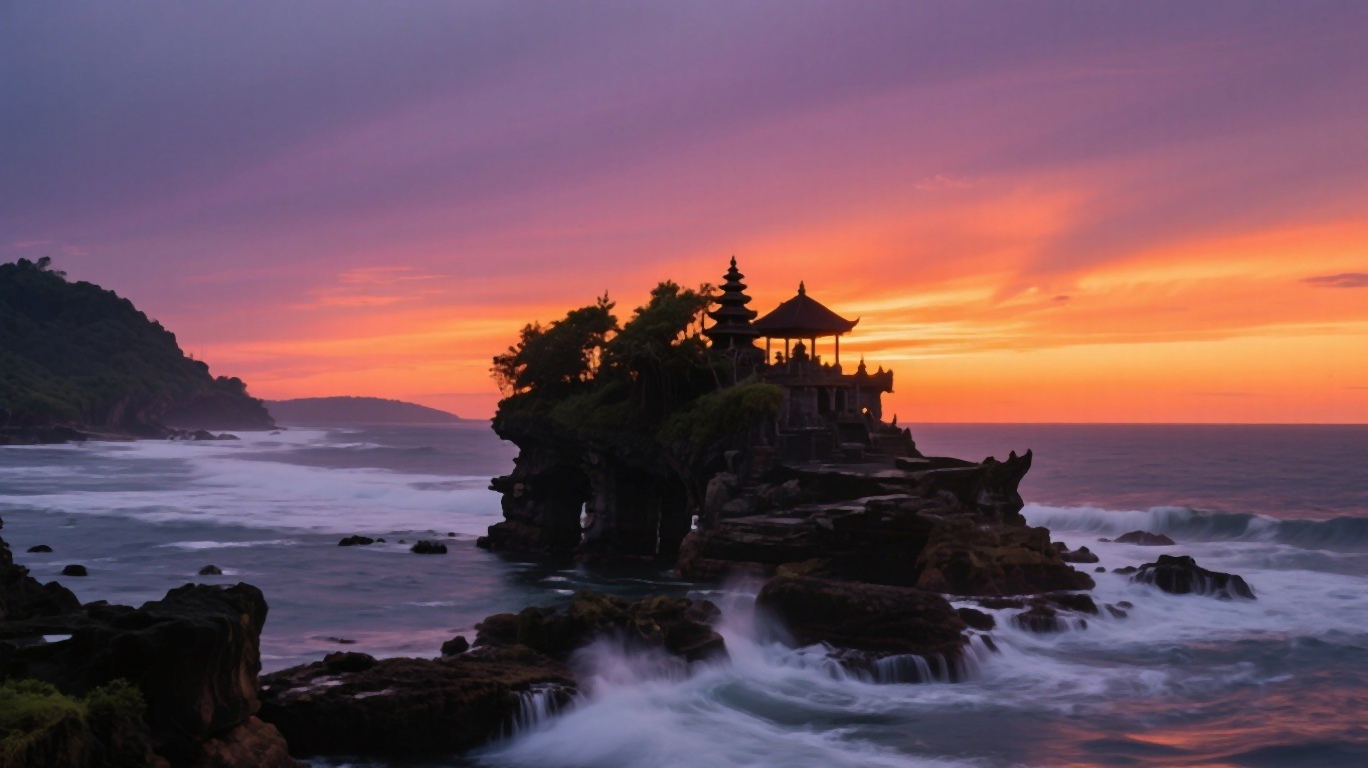
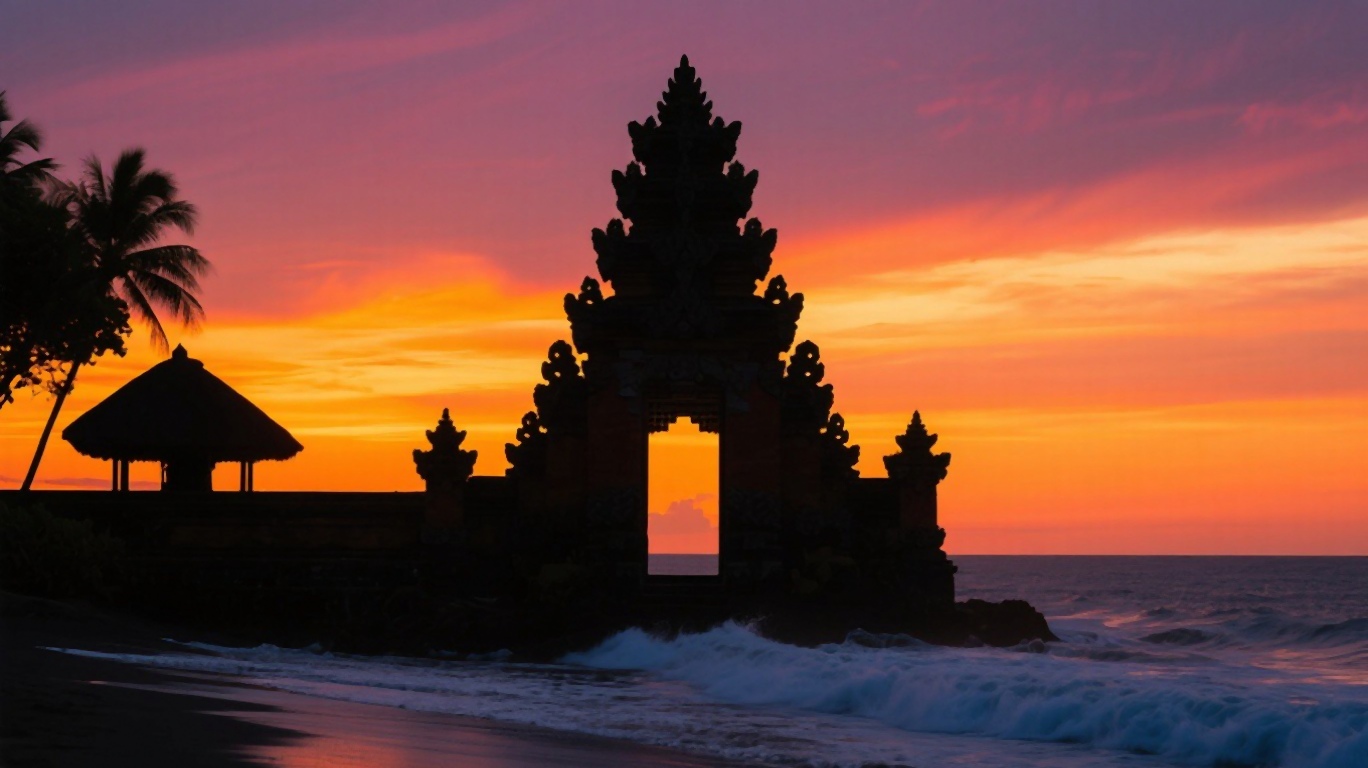
Bali has over 20,000 temples, but three belong on every itinerary. Tanah Lot (Beraban village, Tabanan; 60,000 IDR / ~$3.80) sits on a rocky islet connected to the mainland only at low tide. At sunset, the temple becomes a black silhouette against a sky that turns through peach, amber, and violent pink. It’s crowded, yes — this is Bali’s most-visited temple — but the spectacle earns it. Arrive 90 minutes before sunset to beat the worst crowds and explore the sea-snake cave at the base. Skip the overpriced warungs inside the complex; eat beforehand at Warung Jegeg in Tanah Lot village (mains 30,000–50,000 IDR / $1.90–$3.15).
Uluwatu Temple (Pecatu; 50,000 IDR / ~$3.15) perches on a 70-meter limestone cliff on the southern tip of the Bukit Peninsula. The temple itself is off-limits to non-worshippers, but the cliff-edge walk is breathtaking — literally, if the wind is up. The Kecak fire dance performed at the amphitheatre here every evening at 6 p.m. (150,000 IDR / ~$9.50) is one of Bali’s great cultural events: sixty men chanting in concentric circles as the sun drops behind them into the Indian Ocean. Book tickets at the gate by 5 p.m. — they sell out. Watch your glasses; the monkeys here are even bolder than Ubud’s.
For something more spiritual and less spectacle, head to Tirta Empul (Tampaksiring; 50,000 IDR / ~$3.15), a holy spring temple where Balinese Hindus come for ritual purification. You can participate — wear a sarong (available to borrow at the entrance), follow the locals’ lead, and move through the 30 fountains left to right. The water is bracingly cold and the experience is genuinely moving, even for non-believers. Skip it on full-moon and new-moon days when it’s packed with worshippers; your visit will feel intrusive.
Planning tip: A driver can hit all three temples in a long day (start with Tirta Empul at 8 a.m., Tanah Lot at midday, Uluwatu for sunset). Expect to pay 700,000–800,000 IDR ($44–$51) for the full day including fuel. Bring your own sarong — the rental ones are well-used.
4. BEACH LIFE: THE HONEST COMPARISON
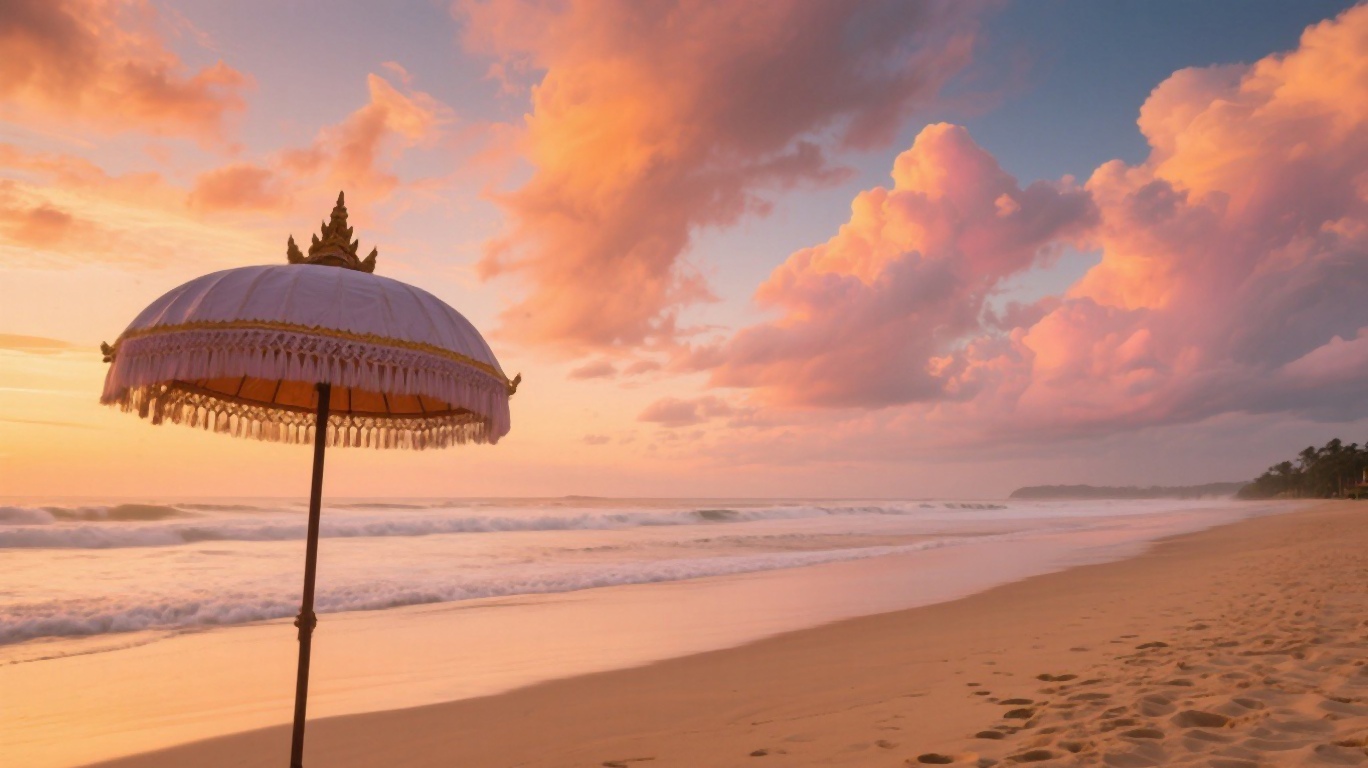
Every Bali blog frames these three beach towns as interchangeable. They’re not. Seminyak is polished, pricey, and unapologetically touristy. The beach is wide and golden, the sunsets are magnificent, and you can walk from boutique shopping on Jalan Laksmana to a $15 cocktail at Ku De Ta (Jl. Kayu Aya 9; cocktails 180,000–250,000 IDR / $11.40–$15.80) without breaking a sweat. It suits couples who want good restaurants and nightlife without roughing it. For a proper meal, Mama San (Jl. Raya Kerobokan 135; mains 120,000–200,000 IDR / $7.60–$12.65) serves pan-Asian food in a converted warehouse that buzzes nightly.
Canggu has become Bali’s digital-nomad capital, which is either exciting or exhausting depending on your tolerance for açaí bowls and coworking spaces. The surf at Batu Bolong and Echo Beach is genuinely excellent for intermediate riders (board rentals 50,000–100,000 IDR / $3.15–$6.30 per hour), and the cafe scene is world-class. Crate Cafe (Jl. Canggu Paddies; breakfast 60,000–90,000 IDR / $3.80–$5.70) does a smashed avocado toast that rivals anything in Melbourne. The downside: traffic is now genuinely terrible, the beach is grey volcanic sand, and construction is constant.
Uluwatu/Bukit is where I’d live. The cliffs hide secret surf breaks reached by rickety staircases, the water is turquoise instead of murky, and the vibe is raw. Padang Padang Beach (10,000 IDR / ~$0.65 entry) is a tiny cove framed by limestone — arrive before 9 a.m. for a near-private swim. Lunch at Single Fin (Jl. Labuan Sait; mains 80,000–140,000 IDR / $5.05–$8.85) on the clifftop overlooking Uluwatu’s surf break is a Bali rite of passage. The trade-off: everything is spread out, a scooter is mandatory, and nightlife is limited.
Planning tip: Stay in Canggu if you’re working remotely (best WiFi infrastructure), Seminyak for luxury and nightlife, Uluwatu for surf and serenity. Don’t try to split your time across all three — the traffic between them is soul-destroying.
5. HIDDEN GEMS: BEYOND THE POSTCARD
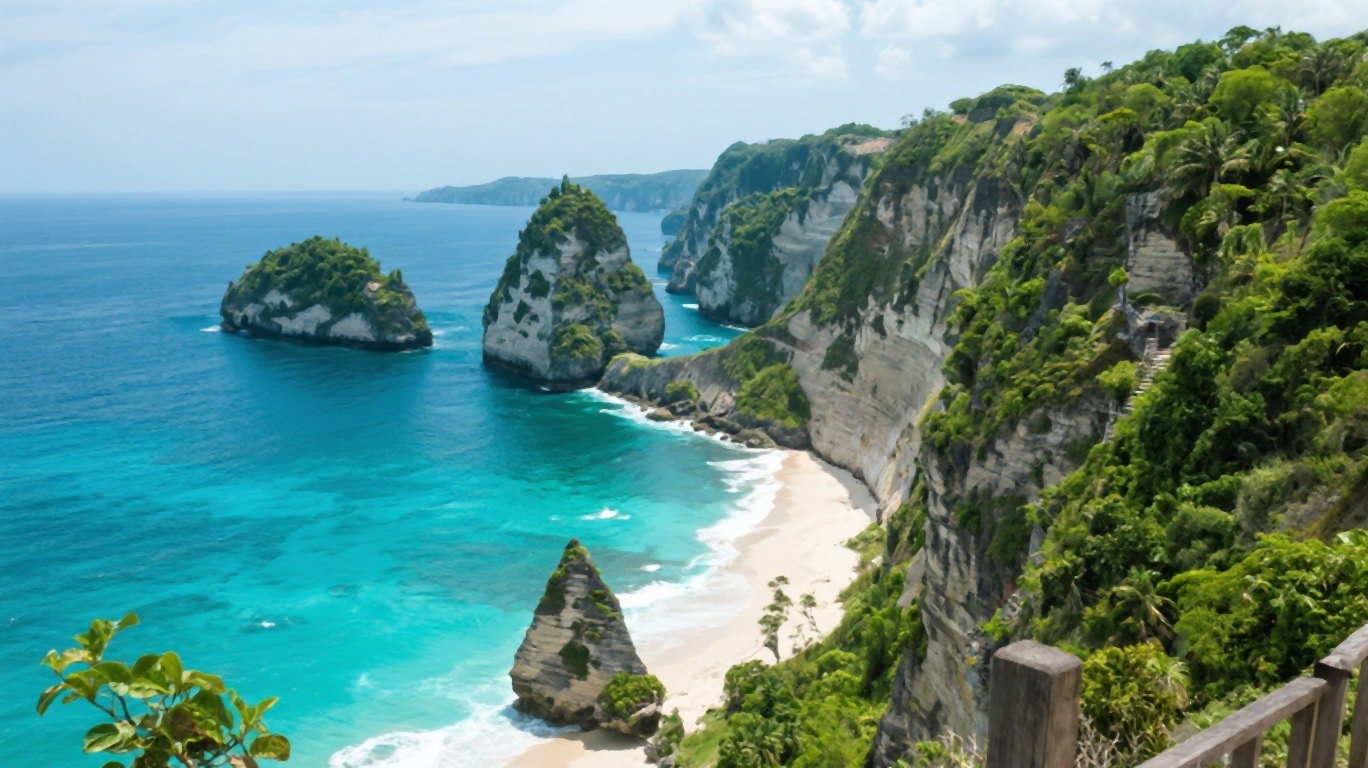
Nusa Penida is the wild card. A 45-minute fast boat from Sanur (return tickets 150,000–200,000 IDR / $9.50–$12.65 from the harbor; book with Angel Billabong Fast Cruise or similar), this island off Bali’s southeast coast has the dramatic cliffs and crystal water that the mainland lost to development years ago. Kelingking Beach’s T-Rex headland is the money shot, but the trail down is steep, crumbling, and not for anyone with dodgy knees. I watched a woman in flip-flops turn back after five minutes. The snorkeling at Crystal Bay is superb — manta ray sightings are common between September and November.
Back on the mainland, Sidemen is what Ubud was twenty years ago: terraced rice fields, no traffic, zero beach clubs. Stay at Samanvaya (rooms from 700,000 IDR / ~$44 per night) and wake up to volcano views. The village has a growing number of small warungs — Warung Puspa (mains 25,000–45,000 IDR / $1.60–$2.85) does exceptional lawar, a spiced minced-meat salad with grated coconut.
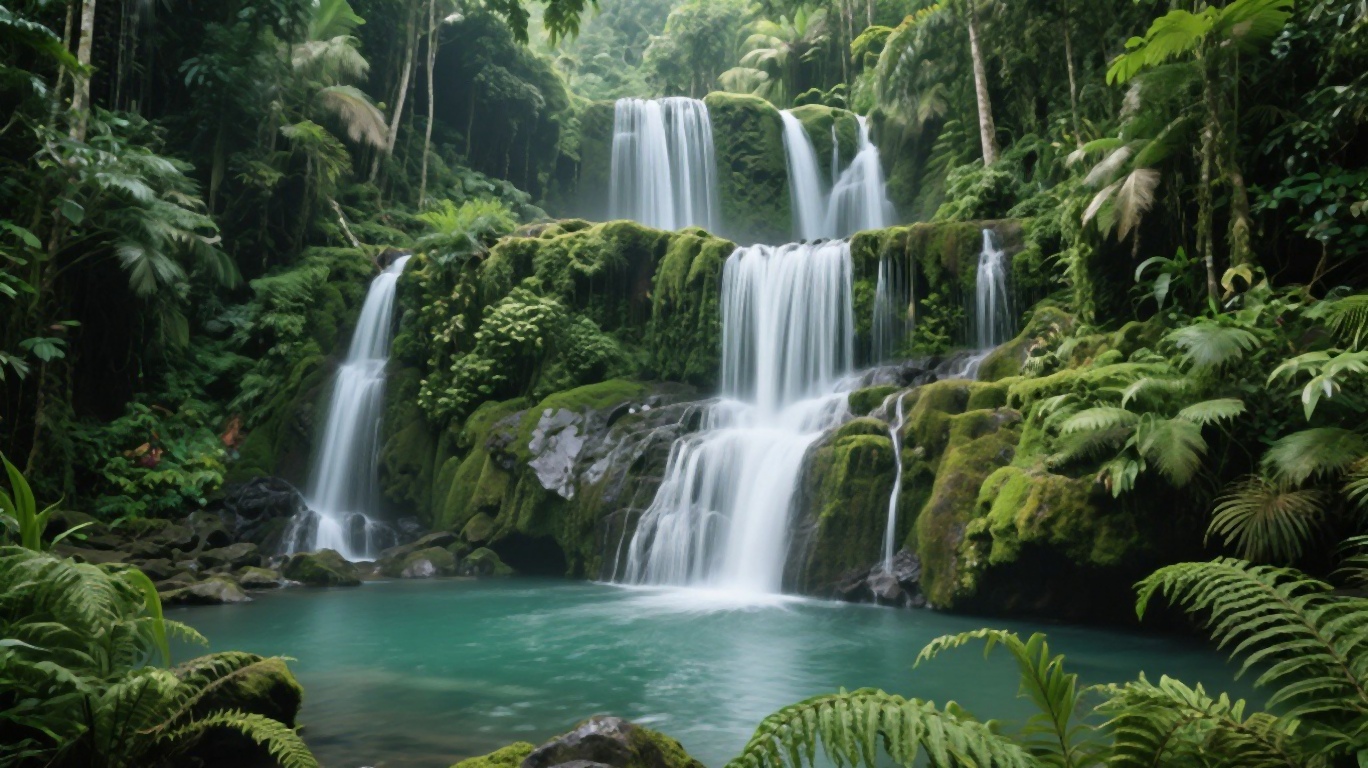
In the north, Munduk sits in cloud-forest territory where waterfalls tumble into jungle ravines. Munduk Waterfall (20,000 IDR / ~$1.25 entry) is a 15-meter cascade you can swim beneath, and the trek to Melanting Waterfall nearby passes through clove and coffee plantations. Stay a night — the drive back to south Bali takes three hours, and the mountain silence after dark is extraordinary.
Planning tip: Nusa Penida works as a day trip but deserves an overnight. Sidemen and Munduk need a minimum of one night each. Book Nusa Penida boats a day ahead in high season (July–August); they do sell out.
6. EATING BALI: A WARUNG EDUCATION
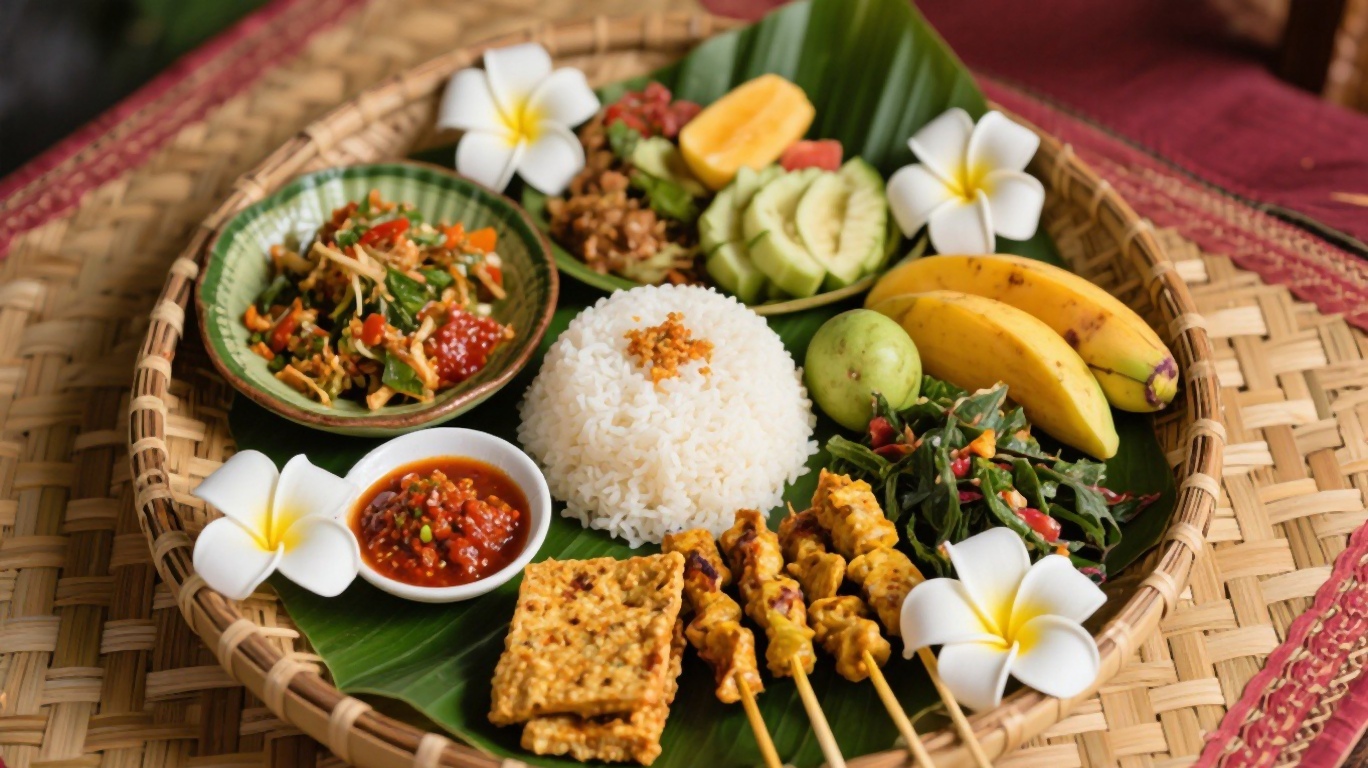
The single best meal I had in Bali cost 32,000 IDR ($2). It was nasi campur — rice with small portions of seven or eight dishes — at Warung Bu Mi on Jalan Goutama in Ubud. Shredded chicken in turmeric sauce, long beans in sambal, crispy peanuts, a boiled egg, and a banana-leaf packet of tum ayam (steamed spiced chicken). No menu, no English, no negotiation. You sit, they bring food, you eat, you pay, you rethink every meal you’ve ever overpaid for.
Balinese food is distinct from the rest of Indonesian cuisine. Learn these five dishes: babi guling (suckling pig, Bali’s signature — try it at Warung Ibu Oka in Ubud, Jl. Suweta, portions from 50,000 IDR / ~$3.15); bebek betutu (slow-roasted duck wrapped in banana leaf, best at Bebek Bengil, Jl. Hanoman, from 85,000 IDR / ~$5.40); lawar (minced meat with coconut and spices); sate lilit (minced seafood satay pressed onto lemongrass sticks); and jajan Bali (a rainbow of rice-flour sweets sold at morning markets).
For a deeper dive, book a cooking class. Paon Bali Cooking Class (Ubud; 350,000 IDR / ~$22 including market visit) starts at 7:30 a.m. with a trip to the Ubud Traditional Market to buy ingredients, then spends four hours teaching six dishes from scratch. You’ll learn to make your own bumbu base paste — the foundation of nearly every Balinese dish — and eat everything you cook for lunch.
⚠ Scam warning: Some cooking classes advertised on Instagram are middlemen charging double. Book directly with the school or through your guesthouse. If the price exceeds 500,000 IDR ($32) for a group class, you’re overpaying.
Planning tip: Eat where Balinese people eat. If a warung has locals on plastic stools and a queue at lunchtime, sit down. If it has fairy lights, a cocktail list, and “Buddha bowl” on the menu, it’s for tourists and priced accordingly.
7. NIGHTLIFE and WELLNESS: TWO SIDES OF THE SAME ISLAND
Bali has a split personality after dark. In Seminyak, Potato Head Beach Club (Jl. Petitenget 51B; entry free, cocktails 150,000–220,000 IDR / $9.50–$13.90) is a design marvel of recycled shutters and infinity pools where DJs spin until late. In Canggu, Old Man’s (Jl. Pantai Batu Bolong; Bintang beers 35,000 IDR / ~$2.20) is the backpacker bar with live music and a communal atmosphere that Kuta used to have before it went to seed. If you want proper clubbing, Jenja in Seminyak (Jl. Nakula 18) pulls international DJs on weekends — expect a 150,000–200,000 IDR cover ($9.50–$12.65) that includes a drink.
Flip the coin and Ubud runs on wellness. The Yoga Barn offers sound-healing sessions and ecstatic dance nights alongside its regular classes. Fivelements Retreat (Mambal; day packages from 2,500,000 IDR / ~$158) provides raw-food cuisine, Balinese healing rituals, and a riverside bamboo pavilion that makes you wonder why you ever lived in a city. For something more accessible, a traditional Balinese massage at almost any spa in Ubud runs 100,000–150,000 IDR ($6.30–$9.50) for a full hour — half what you’d pay in Seminyak for identical quality.
The two worlds coexist without friction. I spent a morning in silent meditation at a retreat in Ubud, then drove to Canggu and danced on a table at Old Man’s by midnight. Bali doesn’t judge.
Planning tip: Beach clubs are best on weekdays (lower minimums, fewer crowds). Book wellness retreats at least two weeks ahead in high season. Avoid Kuta’s Jalan Legian strip entirely — it’s aggressive, overpriced, and hasn’t been worth visiting since 2010.
8. GETTING AROUND: SCOOTERS, DRIVERS and SURVIVAL SKILLS
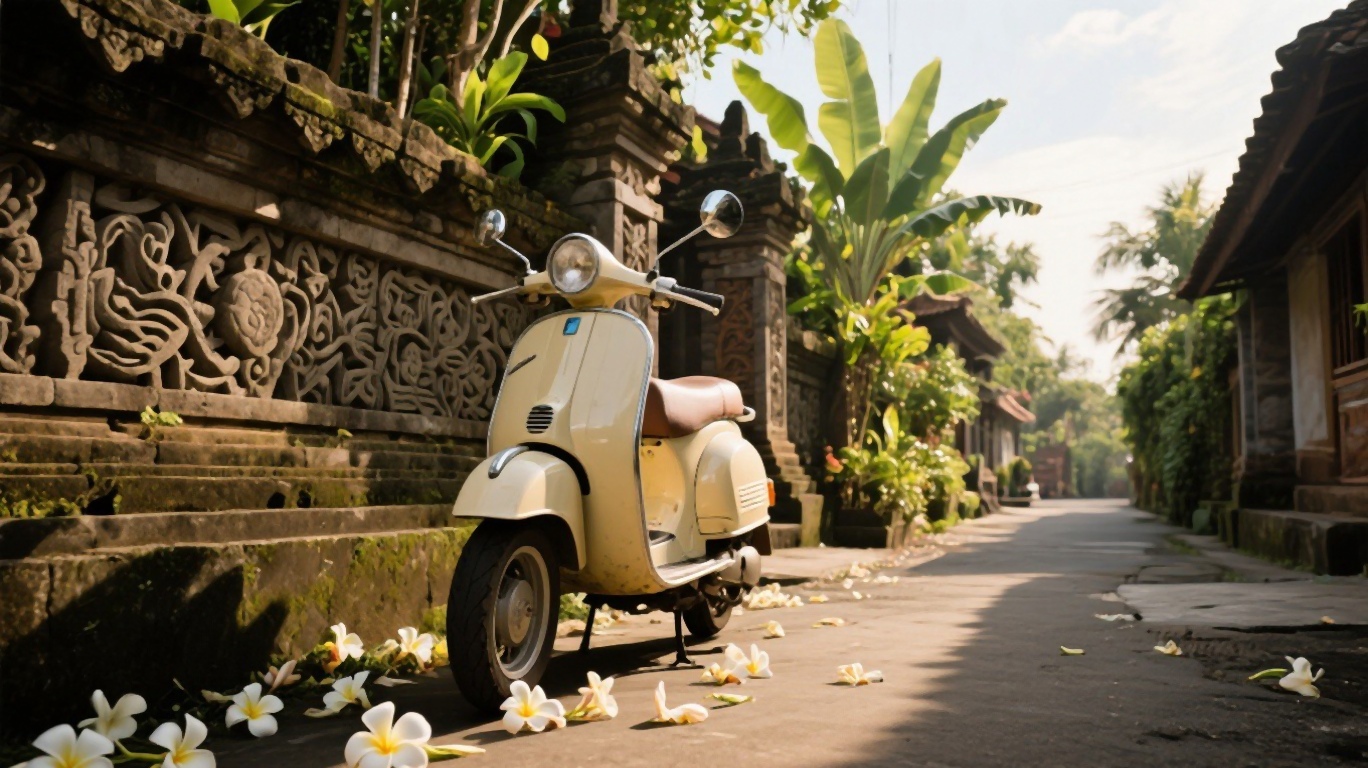
There is no public transportation in Bali worth mentioning. Your options: rent a scooter, hire a driver, or use ride-hailing apps. Each has trade-offs.
Scooters (60,000–80,000 IDR / $3.80–$5.05 per day) give you total freedom but carry real risk. Bali’s traffic is chaotic, the roads are narrow, and tourists crash daily. If you ride: wear a full-face helmet (not the eggshell they hand you), carry your international driving permit with a motorcycle endorsement, and confirm your travel insurance covers scooter accidents. Most policies exclude motorbikes under 125cc unless you add a rider. I saw two accidents in five weeks, both involving tourists who’d never ridden before.
Hiring a private driver is the safest and most comfortable option. A full day (8–10 hours) costs 500,000–700,000 IDR ($32–$44) including fuel and the driver’s lunch. Your guesthouse can arrange one, or ask for Komang (a suspiciously common driver name — but the local network is legitimate). Agree on the itinerary and price before you start; tips of 50,000–100,000 IDR ($3.15–$6.30) are appreciated.
Grab (Southeast Asia’s Uber equivalent) works in the tourist areas but is officially banned from certain zones — the local taxi mafia has enforced no-pickup zones around Ubud center, Tanah Lot, and several beaches. Drivers will ask you to walk to a nearby pickup point. It’s annoying but workable. Expect Grab fares of 70,000–100,000 IDR ($4.45–$6.30) from Ubud to Tegallalang, or 250,000–350,000 IDR ($15.80–$22.15) from the airport to Ubud.
⚠ Scam warning: At the airport, ignore the crowd of taxi touts beyond customs. Walk to the official taxi counter on the ground floor or pre-book a Grab pickup from the departures level. The tout rate to Ubud is typically 400,000 IDR ($25) — double the fair price.
Planning tip: If you’re staying more than a week and want a scooter, rent from a reputable shop (not your hotel, which adds a markup). Bali Bici in Canggu and Joes Scooter Rental in Ubud both include helmets and basic insurance. Always photograph the bike’s existing damage before you ride off.
9. BUDGET BREAKDOWN: WHAT BALI ACTUALLY COSTS
Bali’s reputation as a budget destination is still earned, but creeping gentrification — especially in Canggu and Seminyak — means you need to be strategic. Here’s what I actually spent, averaged over five weeks and converted at 15,800 IDR to the dollar.
| Category | Budget | Mid-Range | Splurge |
|---|---|---|---|
| Accommodation (per night) | 150,000–300,000 IDR ($9.50–$19) | 500,000–1,200,000 IDR ($32–$76) | 2,000,000+ IDR ($127+) |
| Meals (per day) | 60,000–100,000 IDR ($3.80–$6.30) | 200,000–400,000 IDR ($12.65–$25.30) | 600,000+ IDR ($38+) |
| Transport (per day) | 60,000–80,000 IDR ($3.80–$5.05) scooter | 200,000–350,000 IDR ($12.65–$22.15) Grab/shared | 500,000–700,000 IDR ($32–$44) private driver |
| Activities (per day avg.) | 50,000–100,000 IDR ($3.15–$6.30) | 200,000–500,000 IDR ($12.65–$32) | 1,000,000+ IDR ($63+) |
| Daily Total | $20–$37 | $70–$155 | $260+ |
The biggest savings come from eating at warungs instead of western-style cafes (a factor of 3–5x) and renting a scooter instead of using drivers daily. Accommodation is the wild card — a clean fan room in a Ubud homestay costs as little as 150,000 IDR ($9.50) per night, while a pool villa in Seminyak starts at 2,000,000 IDR ($127). Both are legitimate choices. ATMs are everywhere; use ones inside banks (BCA, Mandiri) to avoid skimmers. Withdraw in increments of 2,500,000 IDR to minimize transaction fees.
Planning tip: Carry cash for warungs, markets, and temple entry. Cards are accepted at upscale restaurants, hotels, and beach clubs but many add a 3% surcharge. Wise (formerly TransferWise) gives the best exchange rate if you order an IDR-loaded card before departure.
10. BALINESE CULTURE and ETIQUETTE: WHAT YOU MUST KNOW
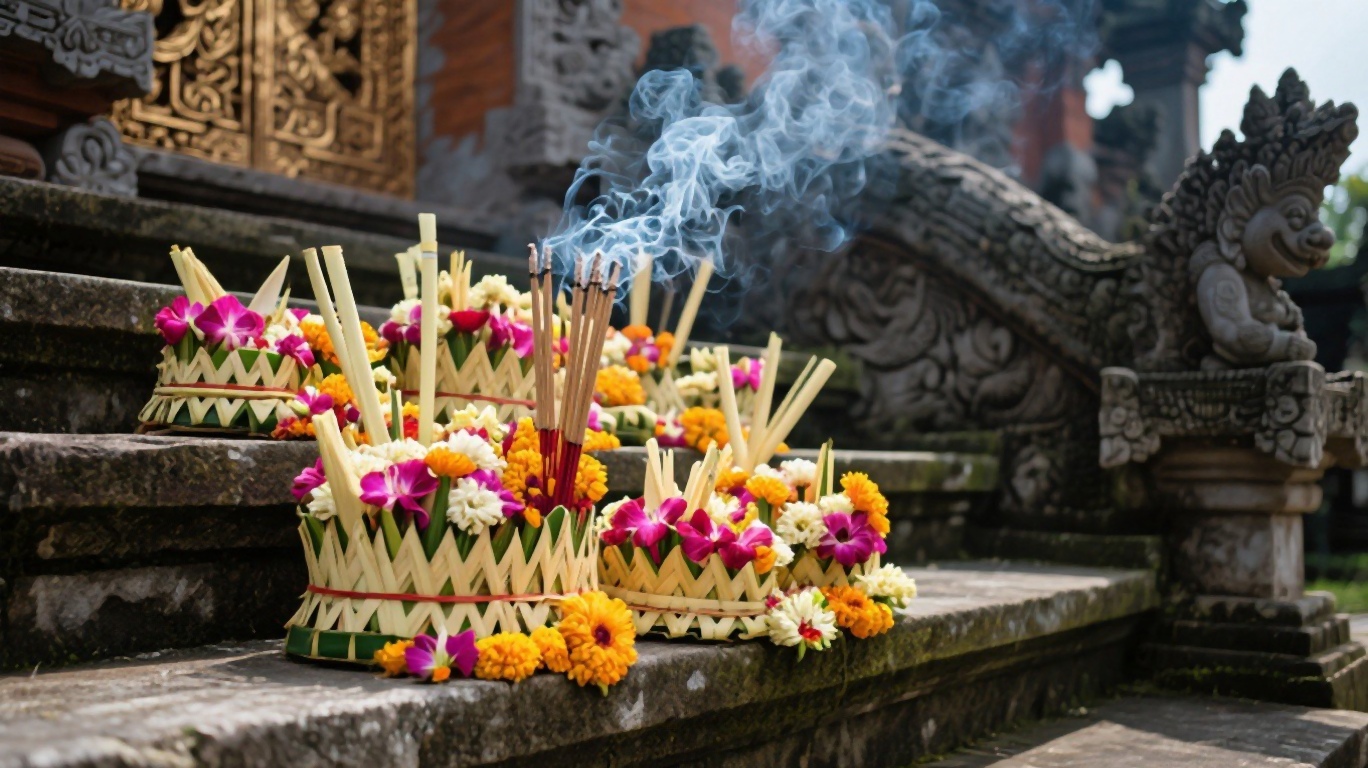
Bali is the only Hindu-majority island in Muslim-majority Indonesia, and religion isn’t a backdrop here — it’s the main event. On any given day, you’ll see processions carrying elaborate offerings on their heads, hear gamelan music drifting from a temple compound, and step over canang sari — small palm-leaf baskets of flowers, rice, and incense placed on the ground as daily offerings. Never step on a canang sari. Walk around them. This is the single most important etiquette rule in Bali.
Temple dress code is non-negotiable: sarong and sash for both men and women. Knees and shoulders must be covered. Most major temples lend or rent sarongs at the gate, but carrying your own is more respectful (and more hygienic). Women who are menstruating are traditionally asked not to enter temples — signage at the entrance will say so plainly. This is a religious belief, not a tourist rule, and applies to Balinese women too.
During major ceremonies — Galungan (a ten-day festival celebrating good over evil), Nyepi (the Day of Silence, usually in March), and Kuningan — the island transforms. On Nyepi, everything shuts down: no flights, no cars, no lights, no leaving your hotel. It’s extraordinary to experience but plan around it if your schedule is tight. Galungan decorations — tall bamboo poles called penjor arching over every road — are among the most beautiful things I’ve ever seen.
A few more essentials: use your right hand to give and receive (the left is considered unclean). Don’t point your feet at people or sacred objects. Ask before photographing ceremonies. And when you encounter a procession blocking the road — and you will — turn off your scooter engine, stand to the side, and wait. A few minutes of patience buys you immense goodwill, and often a smile and a wave from the participants.
Planning tip: Download the Balinese Calendar app to check ceremony dates during your visit. Full-moon and new-moon days (Purnama and Tilem) bring extra ceremonies and crowded temples. If you’re visiting during Galungan, book accommodation well ahead — Balinese families travel, and guesthouses fill fast.
ROUTE AT A GLANCE
| Days | Base | Highlights |
|---|---|---|
| 1–3 | Ubud | Monkey Forest, ARMA Museum, Tegallalang rice terraces, cooking class, Tirta Empul |
| 4–5 | Sidemen or Munduk | Rice fields, waterfalls, village walks, Jatiluwih day trip |
| 6–7 | Nusa Penida | Kelingking Beach, Crystal Bay snorkeling, Angel’s Billabong |
| 8–10 | Uluwatu / Bukit | Padang Padang Beach, Uluwatu Temple & Kecak dance, surfing |
| 11–12 | Seminyak or Canggu | Beach clubs, shopping, Tanah Lot sunset, spa day |
| 13–14 | Flexible | Return to your favourite spot, or explore Amed for diving / Lovina for dolphins |
Two weeks is ideal. Ten days is workable if you cut Sidemen or Munduk. Anything under a week means painful choices — skip the south coast and focus on Ubud, one temple day, and Nusa Penida.
Some links in this article may be affiliate links. If you book through them, we receive a small commission at no extra cost to you — it helps us keep this guide free and updated.
Last updated: June 2026. Prices verified during the author’s most recent visit (April–May 2026). Exchange rate used: 15,800 IDR = $1 USD. Prices, opening hours, and access rules change — always confirm locally before visiting.
