
I didn’t plan to fall in love with Iceland. I’d booked the trip on a whim — seven days, a rented Dacia Duster, and Route 1 stretching 1,322 kilometres around an island that felt, from the moment I landed at Keflavik, like another planet entirely. What followed was a week of waterfalls that soaked me to the bone, glaciers that hummed with an ancient blue light, and empty roads where I didn’t see another car for an hour at a stretch. This is exactly how to do it.
1. REYKJAVIK IN A DAY
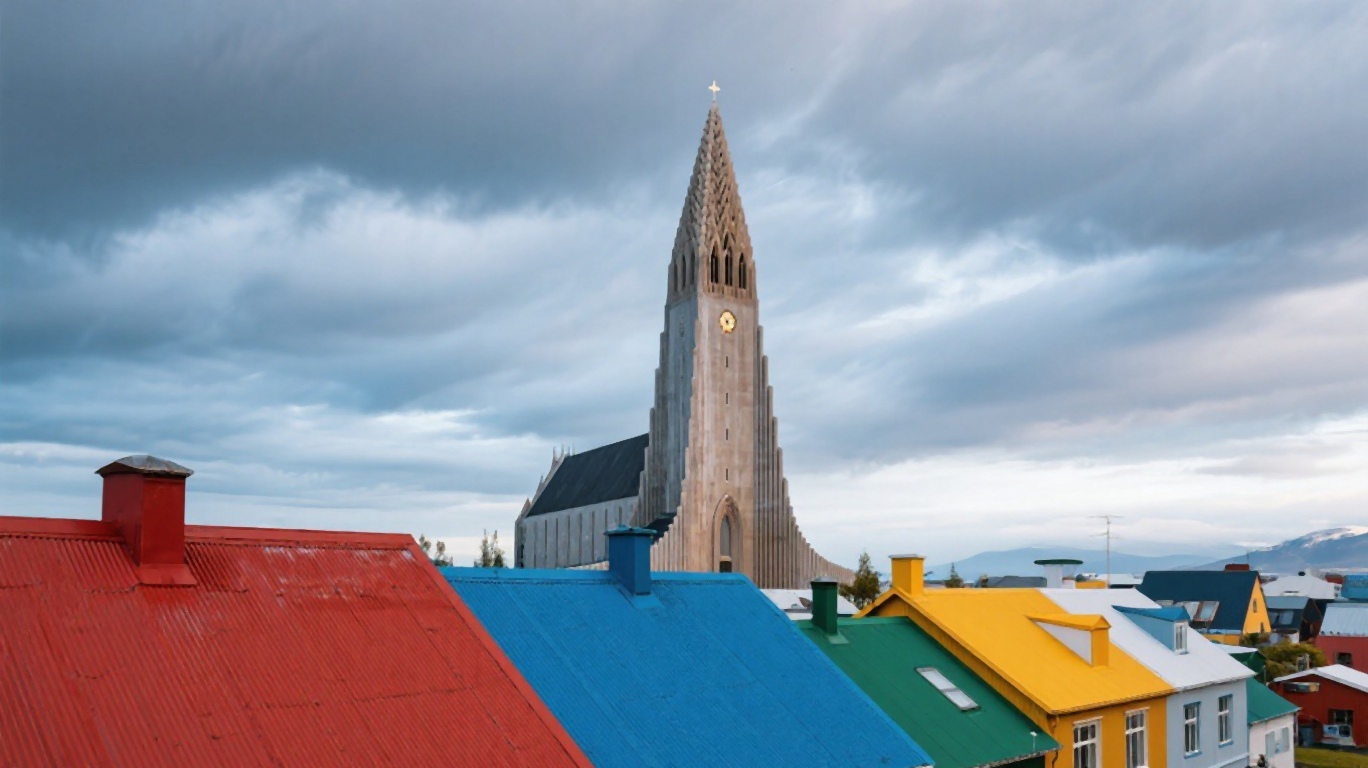
Resist the urge to bolt straight out of the capital. Reykjavik deserves a full day, and cramming it in before you pick up the rental car means you’ll appreciate the quiet of the countryside that much more. I started at Hallgrimskirkja, the brutalist cathedral whose organ-pipe facade has become Iceland’s most photographed building. The elevator to the observation deck costs 1,100 ISK (about $8) and delivers a 360-degree panorama of candy-coloured corrugated-iron rooftops, the harbour, and — on a clear morning — the distant smudge of Snaefellsjokull glacier.
From there I walked downhill to the harbour and Harpa Concert Hall, Olafur Eliasson’s honeycomb-glass masterpiece that catches the light differently every hour. Free to wander inside; guided tours run at 3pm for 2,750 ISK ($20). Along the waterfront I paused at the Sun Voyager sculpture, that sleek steel dreamboat that looks like a Viking ship reimagined by a sci-fi director. Best photographed at sunset when the mountains across the bay turn pink.
For lunch I queued at Baejarins Beztu Pylsur — yes, a hot-dog stand, and yes, it’s worth the hype. One with everything (the “eina med ollu”) costs 590 ISK ($4.30). For dinner, I splurged at Grillid in the Saga Hotel, where a tasting menu runs 16,400 ISK ($120) but includes some of the best Arctic char you’ll eat anywhere. I slept at Kex Hostel, a converted biscuit factory on Skulagata where a private double room costs 24,600 ISK ($180) and the bar downstairs pulls a decent craft beer.
Planning tip: Buy a Reykjavik City Card (5,480 ISK / $40 for 24 hours) — it covers bus travel, Hallgrimskirkja’s tower, the National Museum, and several thermal pools including Vesturbaejarlaug, which is far less crowded than the famous Blue Lagoon.
2. THE GOLDEN CIRCLE
The Golden Circle is a 300-kilometre loop that most visitors rush through in five hours on a bus tour. Don’t. Pick up your rental car in Reykjavik by 8am and give yourself a full day, because each of the three main stops deserves time to breathe.
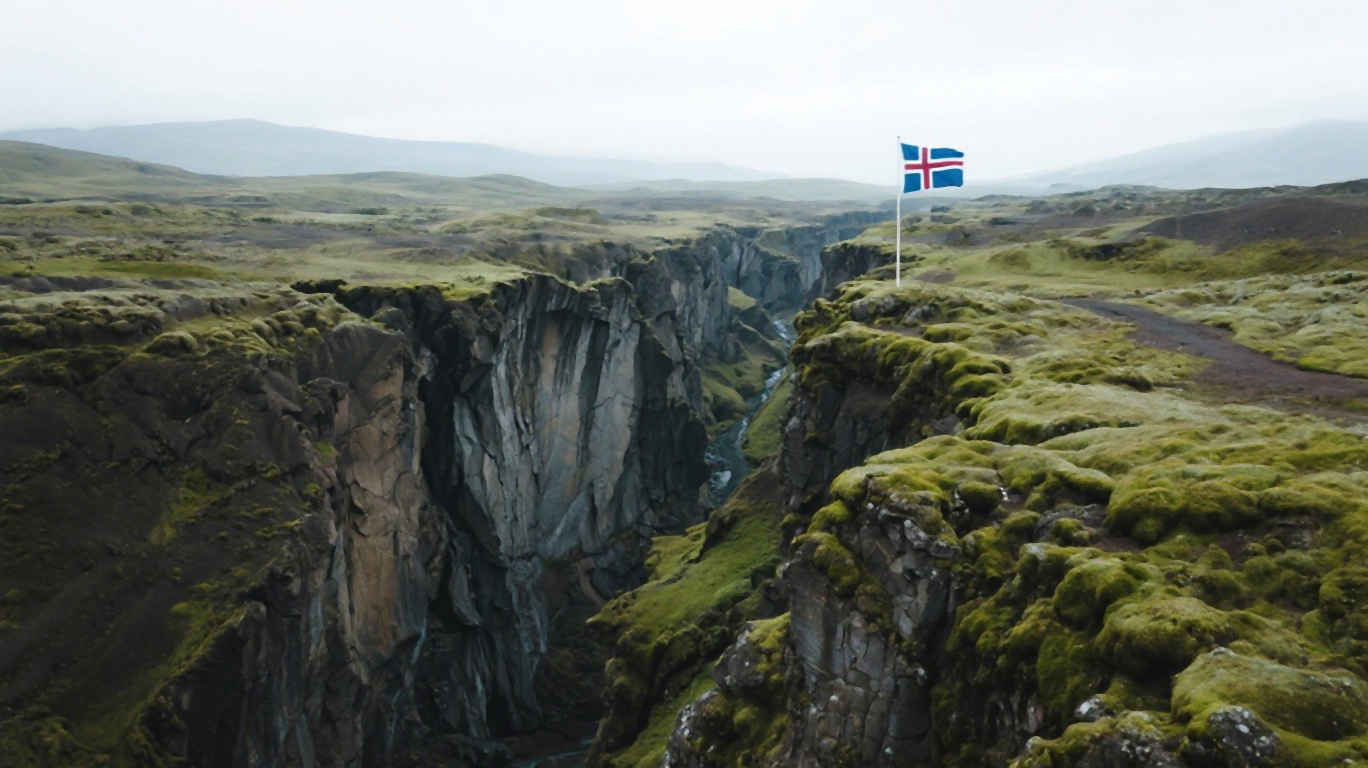
Thingvellir National Park is where the Icelandic parliament — the Althing — first convened in 930 AD, making it one of the oldest parliamentary sites on Earth. But it’s the geology that stops you cold: the Almannagia gorge is literally the rift between the North American and Eurasian tectonic plates, widening two centimetres per year. Walk down through the fissure, read the information boards, and take the boardwalk to Oxararfoss waterfall. Entry is free; parking costs 750 ISK ($5.50).
Thirty minutes east, Geysir geothermal area sits in a cloud of its own steam. The original Great Geysir is mostly dormant these days, but its neighbour Strokkur erupts every five to ten minutes, hurling a column of boiling water twenty metres into the air. I sat on the hillside and watched three eruptions — each one different, each one making the crowd gasp. Free entry, free parking.
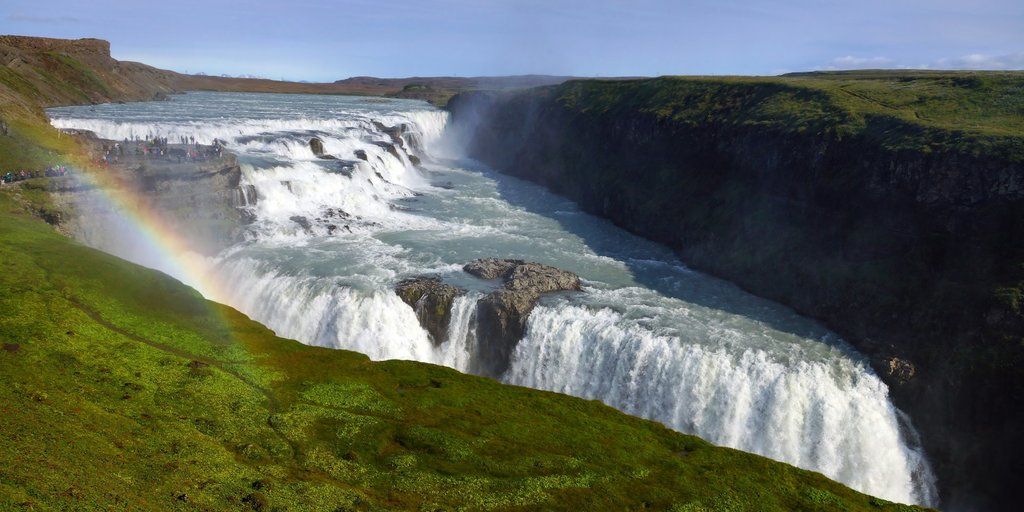
Gullfoss, ten minutes further on, is the waterfall that nearly became a hydroelectric dam. Thank the farmer’s daughter Sigridur Tomasdottir, who threatened to throw herself into the falls to save them. Two tiers of the Hvita River plunge 32 metres into a canyon so deep the mist rises like a fog bank. You’ll get soaked on the lower viewing platform — bring a waterproof layer. Free entry.
I overnighted at Hotel Geysir, right across the road from the geothermal area, where doubles start at 34,200 ISK ($250) in summer. Their restaurant serves a respectable lamb soup for 2,740 ISK ($20). A more budget-friendly option is Litli Geysir Hotel, a kilometre away, with doubles from 23,300 ISK ($170).
Planning tip: Drive the Golden Circle counter-clockwise — Thingvellir first, Gullfoss last — to stay ahead of the tour buses, which nearly all run clockwise from Reykjavik.
3. SOUTH COAST WATERFALLS and BLACK SAND BEACHES
Day three is the day the South Coast punches you in the heart. I drove from Geysir to Vik, about 250 kilometres along Route 1, and stopped so many times I nearly ran out of daylight.
Seljalandsfoss comes first, a 60-metre ribbon of water you can walk behind on a slippery path that curls around the cliff. I emerged soaked from the knees down, grinning like an idiot. Five minutes east, look for the sign to Gljufrabui — a hidden waterfall inside a canyon slot that most visitors miss entirely. You’ll wade through a shallow stream to reach it, but the payoff is a cascade falling into a mossy cathedral of rock.
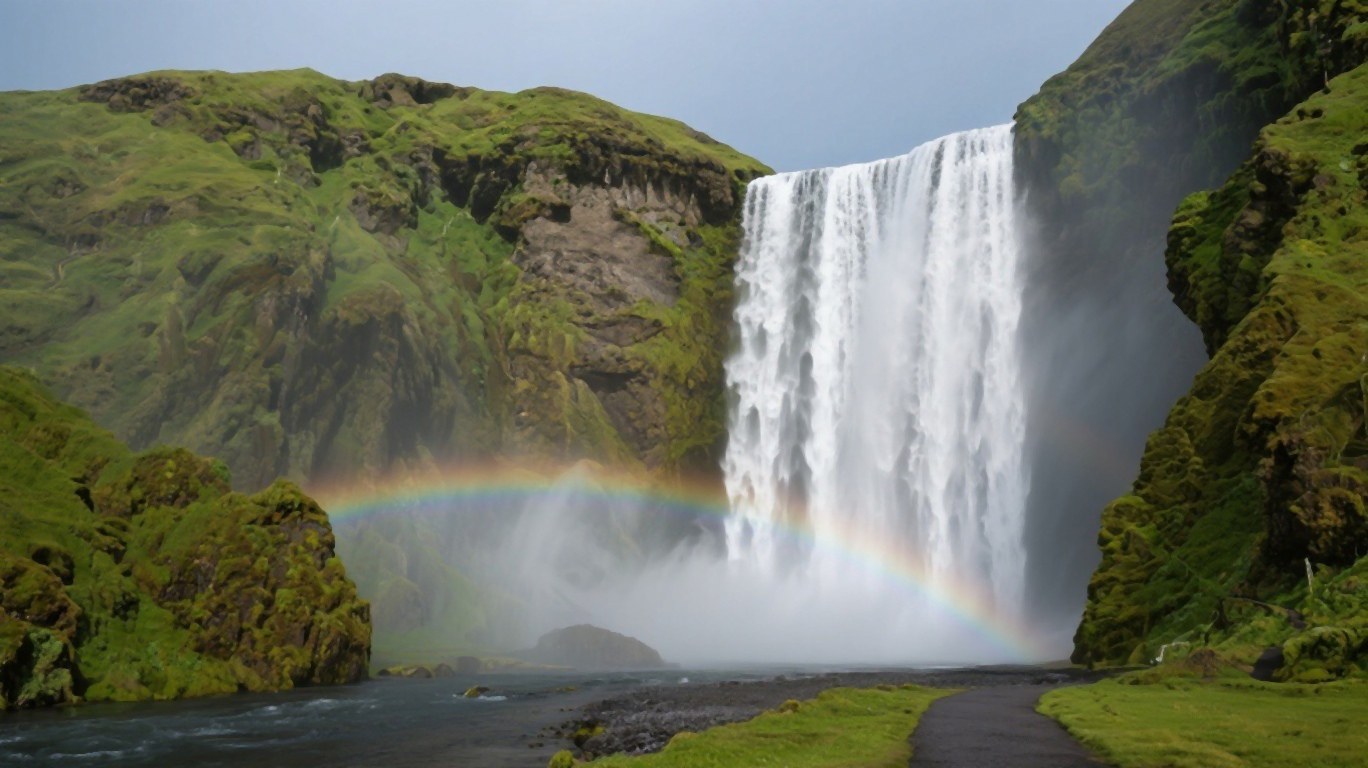
Another thirty minutes brings you to Skogafoss, a thundering 25-metre-wide curtain of water that generates its own permanent rainbow on sunny days. Climb the 527 steps to the top for a view down the Skoga River — this is where the Fimmvorduhals hiking trail begins, if you have an extra day and strong legs.
The coast road continues to Reynisfjara, Iceland’s most famous black sand beach. The basalt column formations look like a pipe organ built by giants, and the sea stacks — the Reynisdrangar — rise from the Atlantic like petrified trolls (which, according to local legend, they are). Warning: the sneaker waves here are genuinely dangerous. They surge up the beach without warning and have killed visitors. Stay well back from the water line and never turn your back on the ocean.
I stayed the night in Vik at Hotel Katla, where a standard double costs 38,350 ISK ($280) and the dining room overlooks the church on the hill. For budget travellers, Vik HI Hostel offers dorm beds from 6,850 ISK ($50) and has a well-equipped kitchen. Dinner at Sudur-Vik restaurant: fish and chips for 3,010 ISK ($22) — honestly great.
Planning tip: In winter, Reynisfjara’s waves are even more violent. Obey the warning signs. In summer, arrive after 6pm when the tour buses have gone — you might get the beach to yourself.
4. GLACIERS, ICEBERGS and DIAMOND BEACH
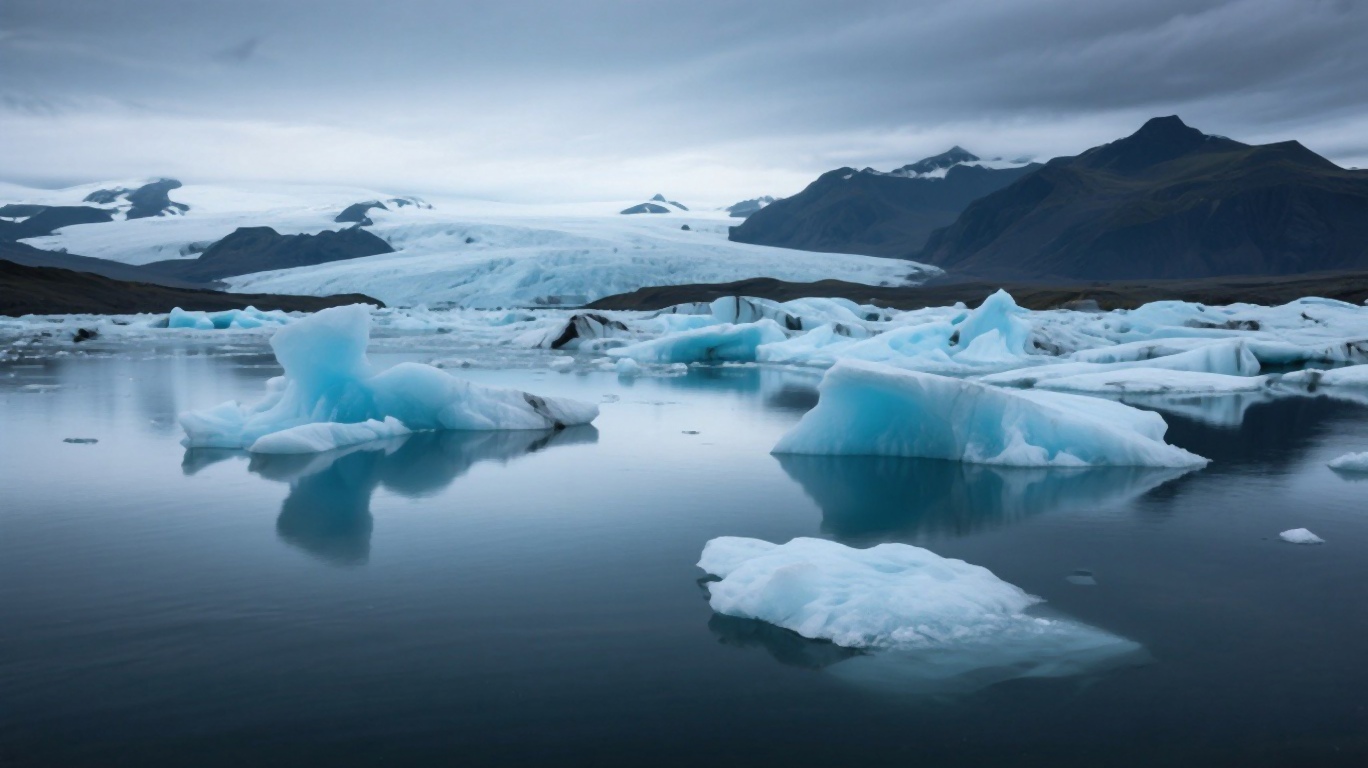
The drive from Vik to Jokulsarlon glacier lagoon is 190 kilometres of increasingly surreal landscape — lava fields give way to black sand outwash plains, and the glacier tongues of Vatnajokull creep down from the ice cap like frozen rivers. By the time I parked at the lagoon, I’d already pulled over four times to photograph things I couldn’t quite believe were real.
Jokulsarlon itself is mesmerising. Icebergs the size of houses — some white, some striated with volcanic ash into shades of blue and black — drift across the lagoon in eerie silence. A zodiac boat tour with Glacier Lagoon costs 8,220 ISK ($60) and puts you right among the bergs. Worth every krona. Alternatively, the amphibian boat tour runs 6,850 ISK ($50) but doesn’t get as close.
Across the road, Diamond Beach is where the icebergs wash up on a strip of black volcanic sand, glittering like chunks of broken crystal. I spent an hour here, watching the light shift through translucent ice. Sunrise and sunset are the magic hours for photography.
For a glacier walk, I booked with Glacier Guides (from 13,700 ISK / $100 for a three-hour hike on Svinafellsjokull). They provide crampons and ice axes; you need sturdy hiking boots and waterproofs. Walking on a glacier is an otherworldly experience — the ice groans and creaks, and the crevasses glow a deep, impossible blue.
Accommodation options are limited in this stretch. I stayed at Fosshotel Glacier Lagoon, a modern hotel 30 minutes west of Jokulsarlon with doubles from 43,800 ISK ($320). Skyrhusid Guest House near Hofn is a more affordable option at 20,500 ISK ($150) for a double with shared bathroom.
Planning tip: Jokulsarlon’s free car park fills by 10am in July and August. Arrive early or after 5pm. The cafe by the lagoon sells decent soup and sandwiches, but bring snacks — there’s nothing else for 60 kilometres in either direction.
5. THE EAST FJORDS and REMOTE VILLAGES
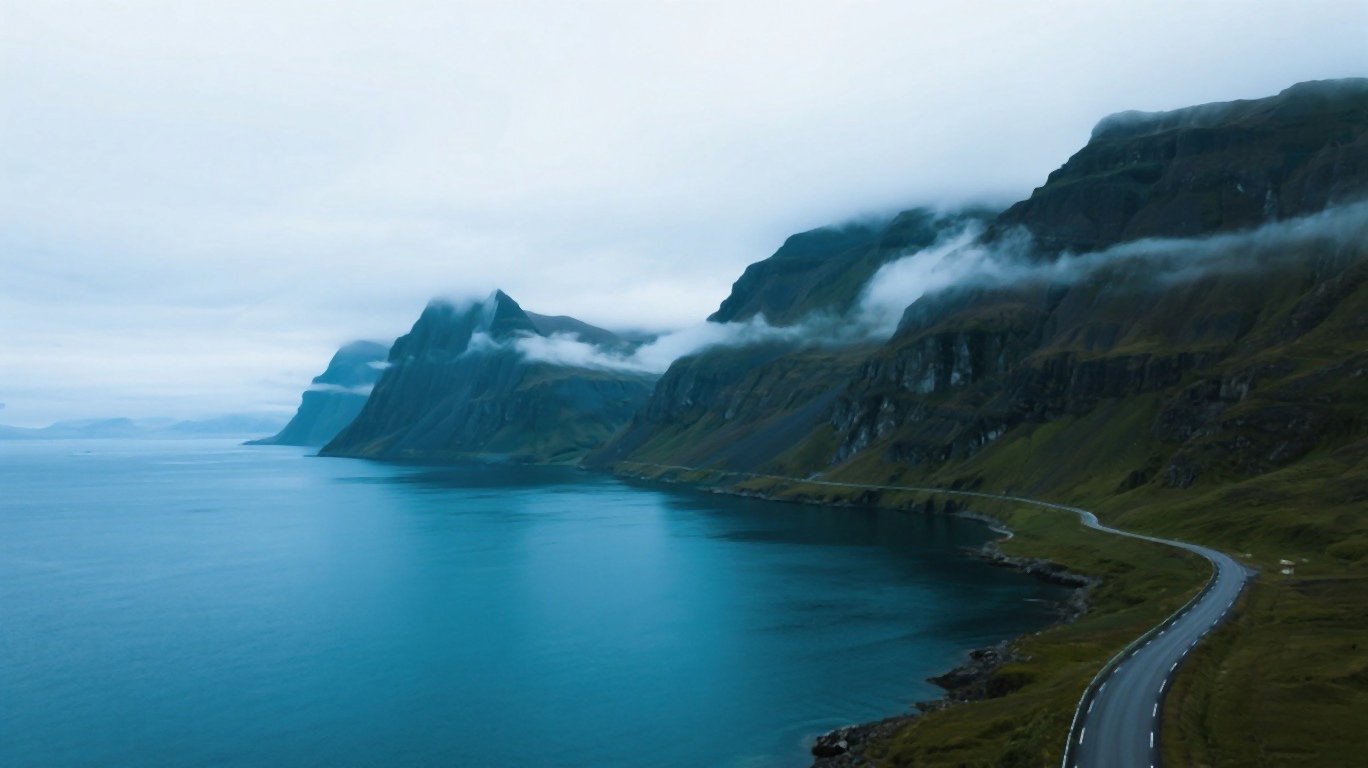
Most Ring Road drivers treat the East Fjords as a transit zone — something to endure between the glaciers and the north. That’s a mistake. This is Iceland at its most quietly beautiful, a landscape of steep-sided fjords, tiny fishing villages, and roads that wind along coastlines so remote your phone signal vanishes for hours at a stretch.
I stopped first in Hofn, a working fishing town famous for langoustine. At Pakkhus restaurant, a langoustine tails platter costs 6,160 ISK ($45) and comes with a view of the harbour. If you’ve ever eaten lobster bisque and thought “this could be better,” try the Hofn version — it’s richer, sweeter, and served with dark rye bread still warm from the oven.
From Hofn, Route 1 climbs through the Almannaskard pass and then the road gets interesting — a succession of fjords that add significant driving time but deliver scenery that made me pull over repeatedly. I detoured on Route 93 to Seydisfjordur, a village of 700 people at the end of a steep mountain pass, famous for its blue church, rainbow-painted street, and the Smyril Line ferry terminal connecting Iceland to the Faroe Islands and Denmark.
Seydisfjordur has an art-colony feel — the Skalanes Nature Reserve offers hiking and birdwatching, and Blainn bistro serves excellent fish stew for 3,290 ISK ($24). I stayed at Hotel Aldan, a beautifully restored heritage building on the main street, where doubles start at 30,800 ISK ($225). For budget options, Hafaldan HI Hostel is housed in the old hospital and charges 6,160 ISK ($45) for a dorm bed.
Planning tip: The mountain pass to Seydisfjordur (Route 93) is often closed in winter. Check road.is before attempting it. In summer, allow 90 minutes for the 27-kilometre drive — the hairpin bends are slow but the views from the top are staggering.
6. NORTH ICELAND: AKUREYRI, MYVATN and WHALE WATCHING
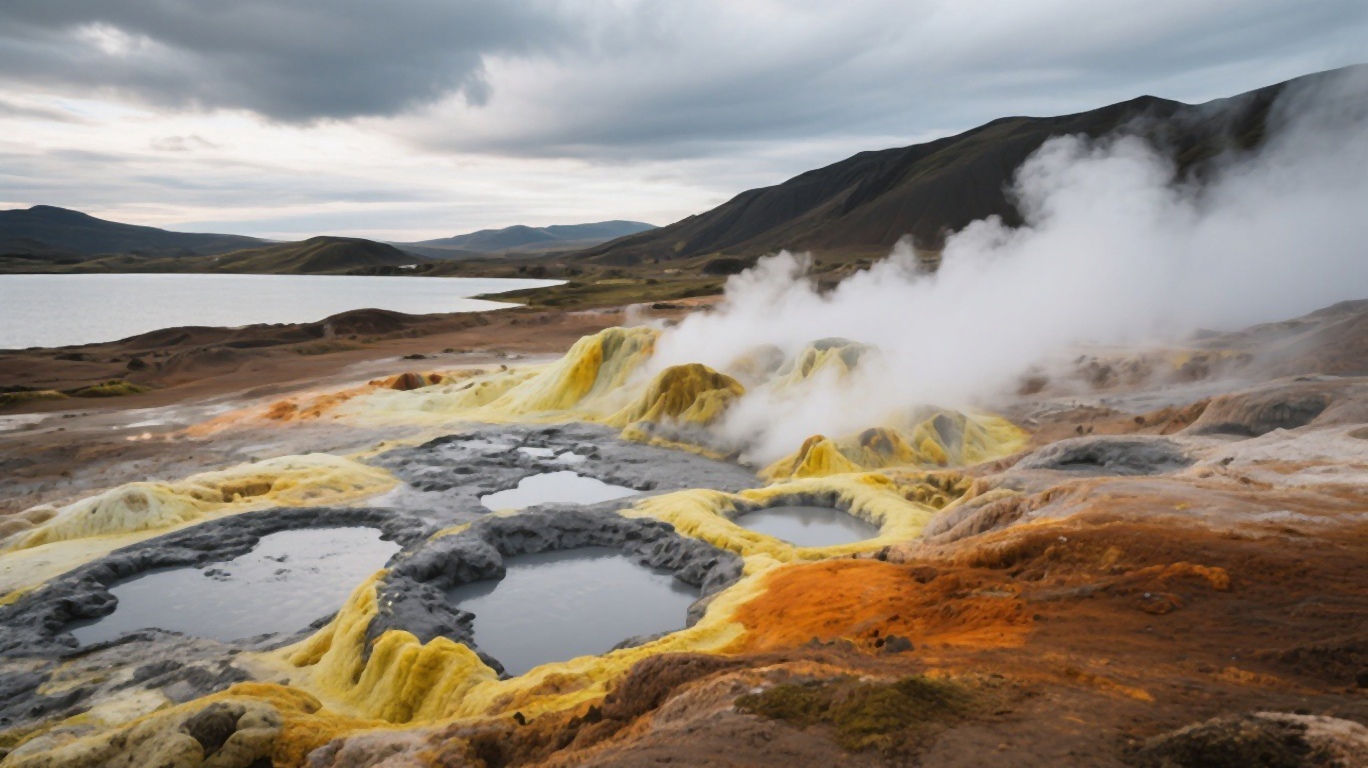
North Iceland is where the Ring Road trip shifts gear. The landscape opens up, the tourist density drops, and you start to feel genuinely remote. I arrived in Akureyri — Iceland’s second city, population 19,000 — and immediately liked its compact, walkable centre. The heart-shaped traffic lights are a charming touch. Strikid restaurant, perched above the harbour, serves a superb grilled Arctic char for 5,480 ISK ($40).
But the real draw of the north is Lake Myvatn, an hour east of Akureyri. This is Iceland’s geological greatest-hits album compressed into a single area: pseudocraters at Skutustadir, the lava pillars of Dimmuborgir (“Dark Fortress”), the steaming vents of Namaskard pass, and the Grjotagja cave — a geothermal fissure with water too hot to swim in but impossibly beautiful to photograph. The Myvatn Nature Baths are the north’s answer to the Blue Lagoon, at roughly half the price: 5,480 ISK ($40) for adults. The water is milky blue, the views stretch to the volcanic horizon, and there’s rarely a queue.
On the drive to Myvatn, stop at Godafoss — the “Waterfall of the Gods” — where, in 1000 AD, the lawspeaker Thorgeir Ljosvetningagodi allegedly threw his carved Norse idols into the cascade after Iceland adopted Christianity. It’s a wide, horseshoe-shaped falls that’s less dramatic than Gullfoss but more photogenic, especially in the golden afternoon light.
For whale watching, I drove north from Akureyri to the town of Husavik, where North Sailing runs three-hour tours on traditional oak schooners for 12,300 ISK ($90). We spotted four humpback whales and a pod of white-beaked dolphins. Husavik’s Whale Museum (2,050 ISK / $15) is small but genuinely excellent.
I slept at Fosshotel Myvatn — doubles from 35,600 ISK ($260) — and ate dinner at Vogafjos Cowshed Cafe, where you can watch the cows being milked through a glass window while you eat their mozzarella. Surreal, delicious, and about 3,290 ISK ($24) for a main course.
Planning tip: Midges at Myvatn are legendary in June and July. Buy a head net (500 ISK at petrol stations) or you’ll be miserable. They don’t bite, but they swarm in clouds dense enough to inhale.
7. SNAEFELLSNES PENINSULA
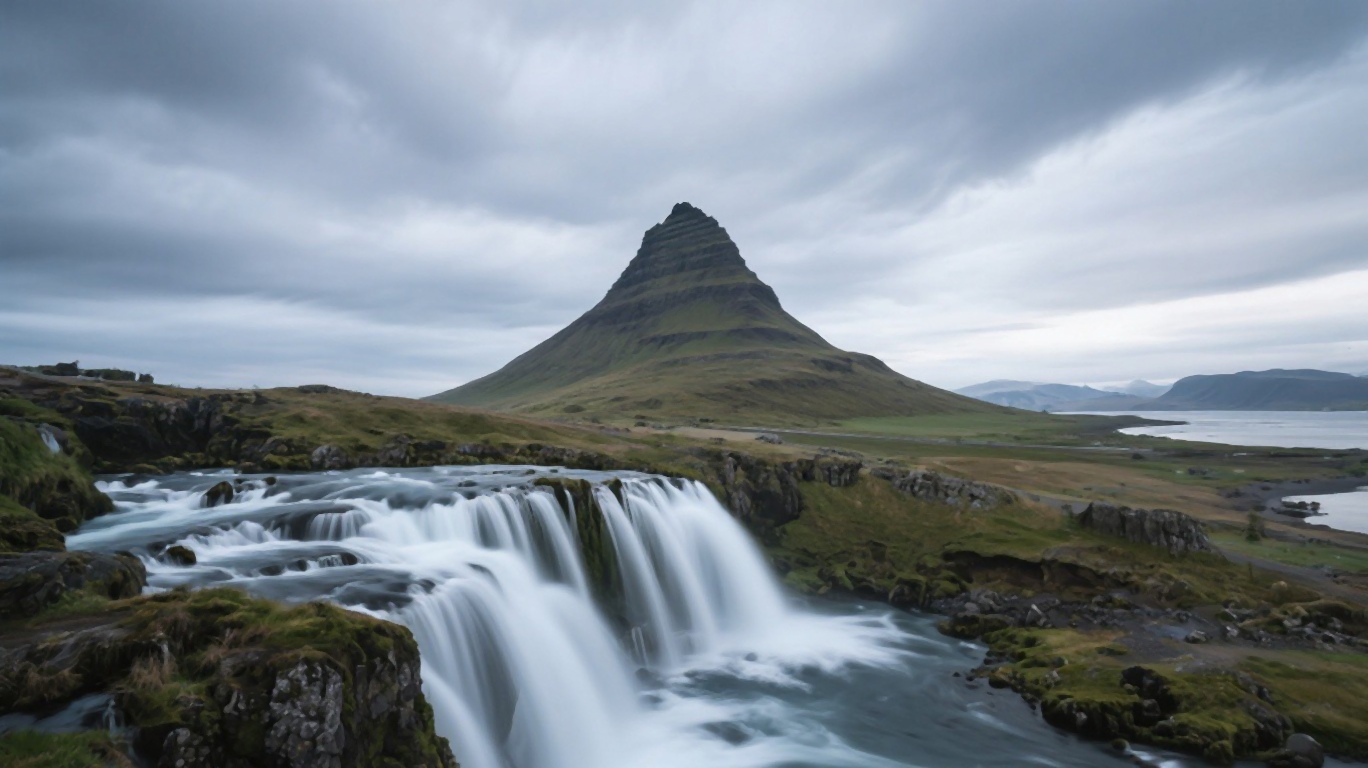
If you only have time for one detour off the Ring Road, make it Snaefellsnes. This 90-kilometre peninsula on Iceland’s west coast is often called “Iceland in Miniature” because it packs glaciers, lava fields, black beaches, sea cliffs, and fishing villages into a single manageable loop.
The star attraction is Kirkjufell, the conical mountain near Grundarfjordur that you’ve seen on every Iceland Instagram feed (and in Game of Thrones, as the “arrowhead mountain”). The classic photo is taken from behind Kirkjufellsfoss, the small waterfall just south of the mountain. Arrive at sunrise — in summer, that means 3am — for the best light and no crowds.
I drove the peninsula’s southern coast to Arnarstapi, a tiny village with dramatic basalt sea cliffs, natural stone arches, and a coastal path lined with nesting Arctic terns in June. The walk from Arnarstapi to the neighbouring village of Hellnar takes 45 minutes along the cliff edge and is one of the most beautiful short hikes in Iceland. At Hellnar, Fjoruhusid cafe sits on the shore and serves homemade cake and coffee for about 1,370 ISK ($10). Sit outside and watch the waves crash into the sea caves below.
The peninsula’s northern shore is wilder and less visited. I stopped at Stykkisholmur, a colourful harbour town that’s the departure point for the Baldur ferry to the Westfjords. The Library of Water, an art installation by Roni Horn in the old library building, is worth a fifteen-minute visit (free entry).
I stayed at Hotel Egilsen in Stykkisholmur, a renovated timber building where doubles start at 32,900 ISK ($240) and the breakfast spread includes smoked fish and skyr with fresh berries. Grundarfjordur HI Hostel is a budget alternative near Kirkjufell, with dorm beds from 6,570 ISK ($48).
Planning tip: Snaefellsnes deserves two days but can be squeezed into one long day if you leave Reykjavik by 7am and prioritise Kirkjufell, Arnarstapi, and Djupalonssandur beach. In winter, the peninsula road is often icy — check conditions on vedur.is.
8. DRIVING THE RING ROAD: EVERYTHING YOU NEED TO KNOW
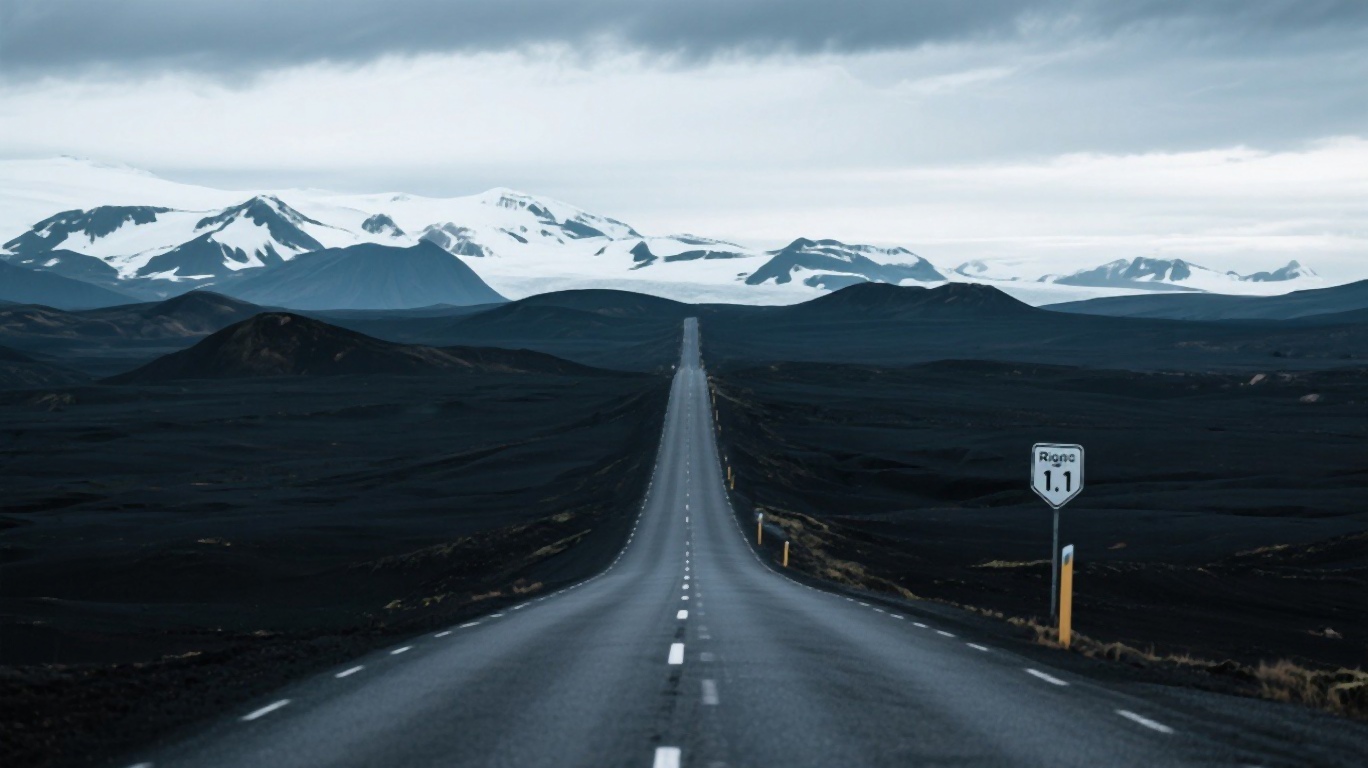
Iceland’s Ring Road (Route 1) is 1,322 kilometres of mostly paved, two-lane highway. It’s not a difficult drive, but it has quirks that catch people out, and you need to respect them.
Rental cars: I rented a Dacia Duster 4WD through Lotus Car Rental at Keflavik for 164,000 ISK ($1,197) for seven days, including basic insurance and a gravel shield. You don’t need a 4WD for the Ring Road itself — a standard hatchback will handle Route 1 in summer — but if you want to explore any highland F-roads (like to Landmannalaugar), four-wheel drive is legally required and enforced. Blue Car Rental and SADcars are other reliable options. Compare on northbound.is.
Fuel: Petrol stations are spaced 50-100 kilometres apart on most of the Ring Road, but gaps of 200+ kilometres exist in the East Fjords. Fill up whenever you’re below half a tank. Fuel costs roughly 325 ISK per litre ($2.37) as of 2026 — that’s about $9 per gallon. Most stations accept credit cards at unmanned pumps, but you’ll need a card with a 4-digit PIN.
Single-lane bridges: The Ring Road has several einbreid bru (single-lane bridges). The car closest to the bridge has right of way. Slow down, check for oncoming traffic, and don’t panic.
Speed limit: 90 km/h on paved rural roads, 80 km/h on gravel, 50 km/h in towns. Speed cameras exist, and fines start at 15,000 ISK ($109). Don’t speed — there’s no point, and the scenery deserves slow driving.
F-roads: Highland interior roads marked with an F prefix are unpaved, often include unbridged river crossings, and are closed until late June or July. Do not attempt them in a 2WD vehicle. If you get stuck, rescue costs can exceed 500,000 ISK ($3,650). Check road.is daily for current conditions.
Planning tip: Download the offline maps for Iceland on Google Maps or Maps.me before you leave Reykjavik. Phone signal is patchy-to-nonexistent in the East Fjords and parts of the north. Also download the 112 Iceland app — it lets you text your GPS position to emergency services.
9. BUDGET BREAKDOWN: HOW MUCH DOES ICELAND ACTUALLY COST?
Let me be blunt: Iceland is expensive. Not “a bit pricey” — genuinely, eye-wateringly costly by almost any measure. A sandwich at a petrol station costs 1,650 ISK ($12). A pint of beer in Reykjavik: 1,500-2,050 ISK ($11-15). Dinner at a mid-range restaurant: 4,110-6,850 ISK ($30-50) per main course. You need to know this going in and plan accordingly.
Here’s what I actually spent for seven days, solo, in a rental car, with a mix of hotels and guesthouses:
| Expense | ISK | USD (at 137 ISK/$1) |
|---|---|---|
| Rental car (7 days, 4WD, insurance) | 164,000 | $1,197 |
| Fuel | 34,200 | $250 |
| Accommodation (6 nights, mix of hotels/guesthouses) | 178,000 | $1,299 |
| Food & drink | 82,200 | $600 |
| Activities (glacier walk, whale watching, boat tour) | 34,200 | $250 |
| Miscellaneous (parking, museums, souvenirs) | 13,700 | $100 |
| Total | 506,300 | $3,696 |
That’s roughly $528 per day. You can trim this significantly by camping (campsite fees are 1,650-2,740 ISK / $12-20 per person per night), cooking in hostel kitchens, and skipping Reykjavik’s restaurant scene. A couple sharing a 2WD rental, cooking most meals, and camping could manage 27,400 ISK ($200) per person per day. Budget travellers using buses and hostels could theoretically get below 20,500 ISK ($150), but you’d lose the flexibility that makes Iceland special.
Where to save: Bonus supermarket (the one with the pink pig logo) is the cheapest grocery chain — stock up on bread, cheese, skyr, and pasta. Tap water in Iceland is pure glacial melt and tastes better than bottled — don’t waste money on bottled water. Many natural hot springs are free (though you’ll need to find them — the app “Hot Pot Iceland” maps dozens). Most waterfalls and natural attractions are free.
Where to splurge: One good restaurant dinner. One glacier walk. One whale-watching trip. These are the memories you’ll carry home.
Planning tip: Bring a reusable water bottle, a camp stove if you’re camping, and a packed lunch mentality. The biggest savings come from reducing the number of restaurant meals, not from skipping activities.
10. SAFETY and PREPARATION: WEATHER, SEASONS and STAYING ALIVE
Iceland’s beauty comes with teeth. The weather can shift from sunshine to horizontal sleet in twenty minutes. Winds regularly exceed 100 km/h. River crossings in the highlands can be deadly if you misjudge the depth. This isn’t meant to scare you — it’s meant to make you take preparation seriously.
Weather: Check vedur.is (the Icelandic Met Office) every morning and evening. Their colour-coded warning system is straightforward: yellow means caution, orange means significant risk, red means stay indoors. In winter, blizzards can close the Ring Road for days. Even in summer, fog can reduce visibility to near zero on mountain passes. The Vedur app is essential — download it.
When to go: June through August offers 20+ hours of daylight (and true midnight sun in the north), the mildest weather (8-15°C), and all roads open. This is peak season, and prices reflect it. September and early October bring fewer crowds, autumn colours, and the first northern lights, but daylight hours are dwindling and highland roads start closing. November through March is true winter — short days, serious cold, icy roads, and the best aurora viewing, but the Ring Road becomes risky and some sections close. I drove it in late June and the endless daylight was both magical and disorienting.
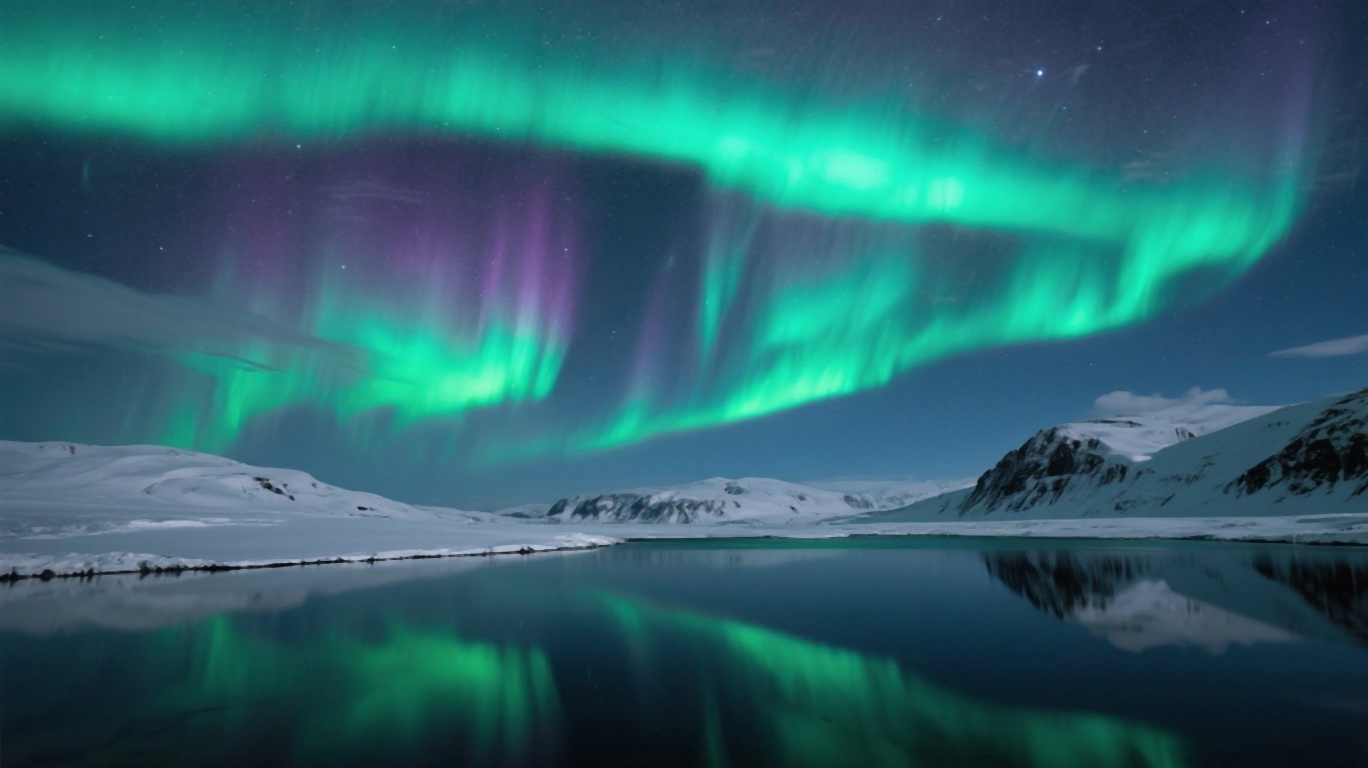
Midnight sun vs northern lights: You can’t have both. The midnight sun (late May to late July) means zero darkness, which means zero aurora. The northern lights require darkness, which means visiting between September and March. Choose your priority and plan accordingly.
River crossings: If you’re driving F-roads, you may encounter unbridged rivers. Never cross unless you can see the bottom, the water is below knee height, and you’ve watched another vehicle cross first. River levels rise in the afternoon as glacial melt increases — cross in the morning. If in doubt, turn around. No photo is worth drowning your rental car (and possibly yourself).
What to pack: Layered clothing is non-negotiable. A waterproof outer shell (jacket and trousers), fleece mid-layer, thermal base layer, sturdy hiking boots, warm hat, gloves, and sunglasses. Even in summer. Especially in summer, because tourists in July still get caught out by cold rain and wind. Add swimwear for the hot springs, a head torch for shoulder-season travel, and a sleeping bag if you’re camping — most campsites don’t provide bedding.
Emergency app: Download the 112 Iceland app before you leave home. It lets you check in at locations along your route and send your GPS coordinates to emergency services with one tap. In a country where phone signal can be nonexistent, this app can save your life.
Planning tip: Leave your ego at Keflavik. If conditions look bad, postpone the drive. If a river looks too deep, don’t cross. If a warning says stay off the road, stay off the road. Iceland rewards patience and punishes bravado.
ROUTE AT A GLANCE
| Day | Route | Distance | Highlights | Overnight |
|---|---|---|---|---|
| 1 | Reykjavik | — | Hallgrimskirkja, Harpa, Sun Voyager | Reykjavik |
| 2 | Reykjavik → Golden Circle → Vik | 300 km | Thingvellir, Geysir, Gullfoss, Seljalandsfoss, Skogafoss | Vik |
| 3 | Vik → Jokulsarlon → Hofn | 270 km | Reynisfjara, Diamond Beach, Jokulsarlon, glacier walk | Hofn |
| 4 | Hofn → Seydisfjordur → Egilsstadir | 250 km | East Fjords, Seydisfjordur village, blue church | Egilsstadir |
| 5 | Egilsstadir → Myvatn → Akureyri | 270 km | Dettifoss, Myvatn, Namaskard, Godafoss | Akureyri |
| 6 | Akureyri → Snaefellsnes | 320 km | Whale watching (Husavik detour), Kirkjufell, Arnarstapi | Stykkisholmur |
| 7 | Snaefellsnes → Reykjavik | 170 km | Djupalonssandur, Deildartunguhver, return to Reykjavik | — |
Total Ring Road distance: approximately 1,580 km including detours to Seydisfjordur, Husavik, and Snaefellsnes Peninsula.
Some links in this article may be affiliate links. If you click through and make a purchase, we may earn a small commission at no additional cost to you. This helps support the site and allows us to keep creating free travel content.
Updated June 2026. Prices verified against vendor websites; exchange rate used: 137 ISK = $1 USD. Road conditions and seasonal openings vary — always check road.is and vedur.is before travel.
