
I’ve walked the cobblestones of Rome at dawn, watched the Arno turn gold from Ponte Vecchio at sunset, and gotten gloriously lost in Venice’s labyrinth of canals more times than I can count. Italy isn’t a country you visit — it’s one that seizes you by the senses and refuses to let go. This seven-day itinerary through Rome, Florence, and Venice is the trip I wish someone had planned for me the first time around: equal parts iconic landmarks, hidden-gem trattorias, and the kind of unscripted moments that make travel worth the jet lag.
1. ROME’S ANCIENT HEART: WHERE EMPERORS STILL ECHO
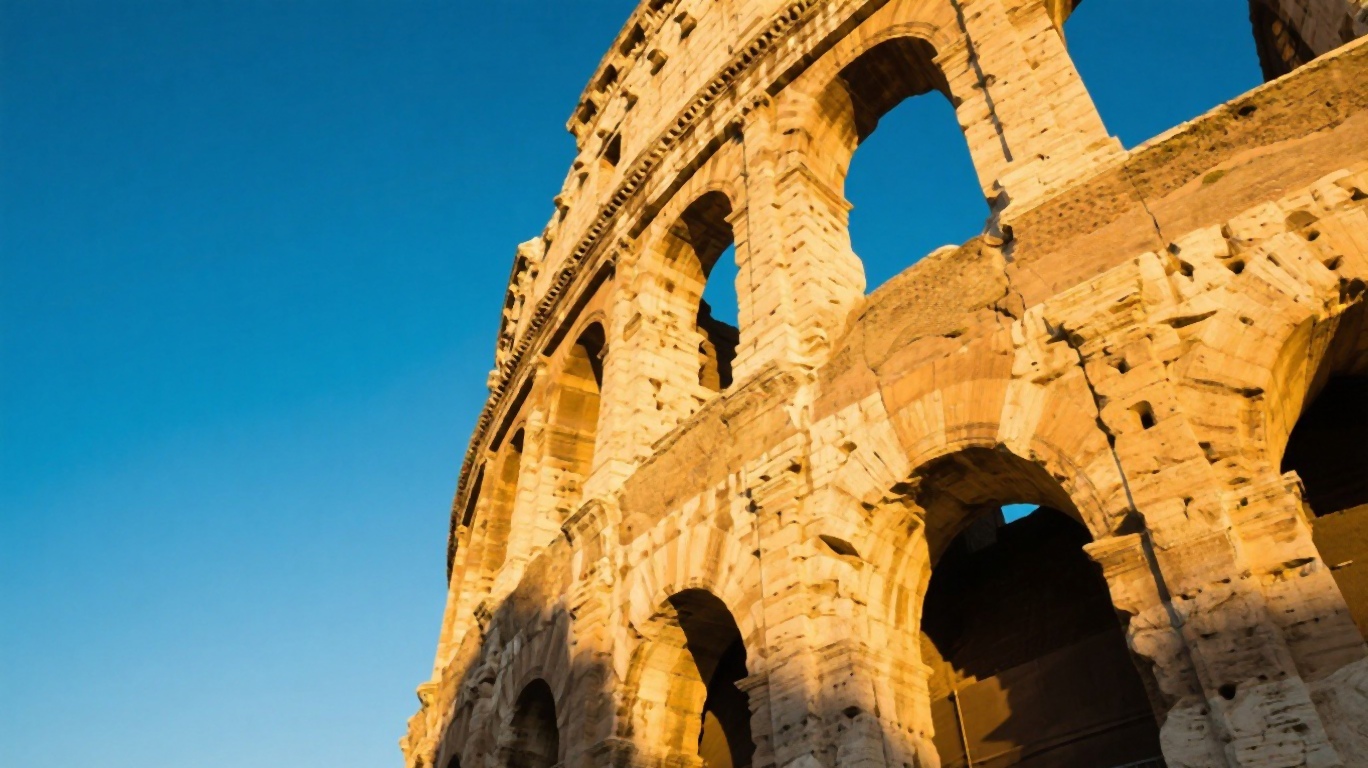
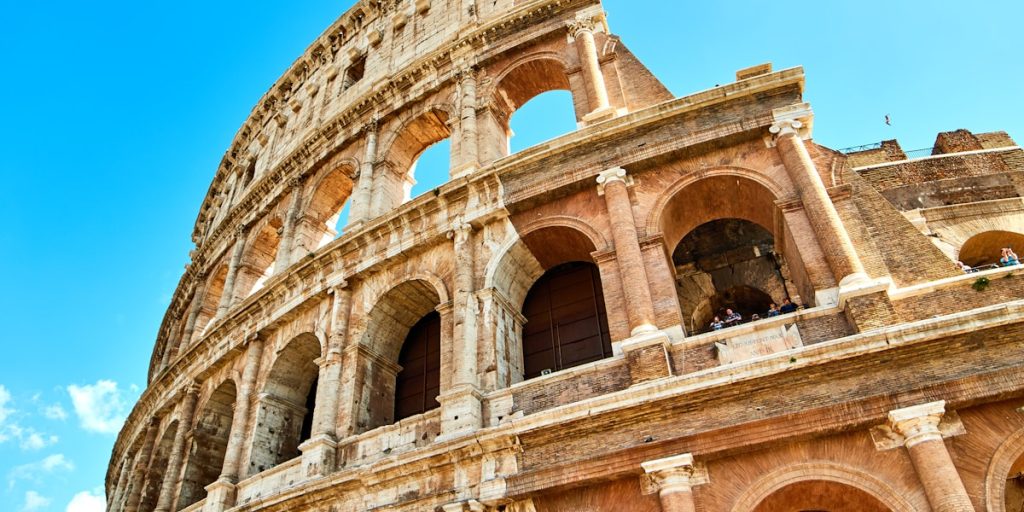
Nothing prepares you for the scale of the Colosseum. I’d seen it in a thousand photographs, but standing inside the hypogeum — the underground network of tunnels where gladiators and wild animals once waited — I felt the weight of two millennia settle on my shoulders. The combined ticket for the Colosseum, Roman Forum, and Palatine Hill costs €18 (≈ $19.45 USD) and is valid for two consecutive days, which is a genuine bargain considering you could spend an entire morning in the Forum alone.
Start at the Colosseum no later than 8:30 a.m. — the tour-bus crowds descend around 10 a.m. and the interior becomes a sardine tin by noon. I booked the Full Experience ticket (€24 / ≈ $25.90 USD) online through the official Parco Colosseo website, which includes the Arena Floor and Underground levels. Third-party resellers routinely charge double for the same access, so go direct.
From the Colosseum, walk the Via Sacra through the Roman Forum. Pause at the Temple of Antoninus and Faustina, whose Baroque church façade sits awkwardly atop Roman columns — a perfect metaphor for this layered city. Climb Palatine Hill for panoramic views over the Forum and the Circus Maximus below. There’s a shaded garden at the top with benches; I ate a mortadella panino here and felt like a senator surveying his domain.
Wind down at Taverna dei Fori Imperiali (Via della Madonna dei Monti, 9), a family-run spot in the Monti neighbourhood where the cacio e pepe (€12 / ≈ $12.95 USD) is textbook-perfect and the house red runs just €5 a glass. Monti is Rome’s answer to Brooklyn — vintage shops, street art, and aperitivo bars spilling onto narrow lanes.
Planning tip: Book your Colosseum tickets at least two weeks in advance during peak season (April–October). Same-day tickets are almost never available, and the official site releases slots at midnight CET. Set an alarm if you must.
2. THE VATICAN and ST. PETER’S: SACRED ART ON A STAGGERING SCALE
The Vatican Museums contain roughly 70,000 works of art across 54 galleries, but let’s be honest: most of us are here for one ceiling. The Sistine Chapel is the grand finale of the museum route, and by the time you reach it you’ll have walked nearly two kilometres of corridors. My advice? Don’t rush the Gallery of Maps — the 40 topographical paintings of Italian regions are jaw-dropping and far less crowded than the Raphael Rooms.
Standard admission is €17 (≈ $18.35 USD). The skip-the-line strategy that actually works is booking the first entry slot (7:30 a.m., available Monday and Saturday only) directly on the Vatican’s website. You’ll have roughly 90 minutes before the masses arrive. Alternatively, the Friday evening opening (7:00–11:00 p.m., €21 / ≈ $22.70 USD) is genuinely magical — small crowds, cooler temperatures, and a glass of prosecco included at the courtyard bar.
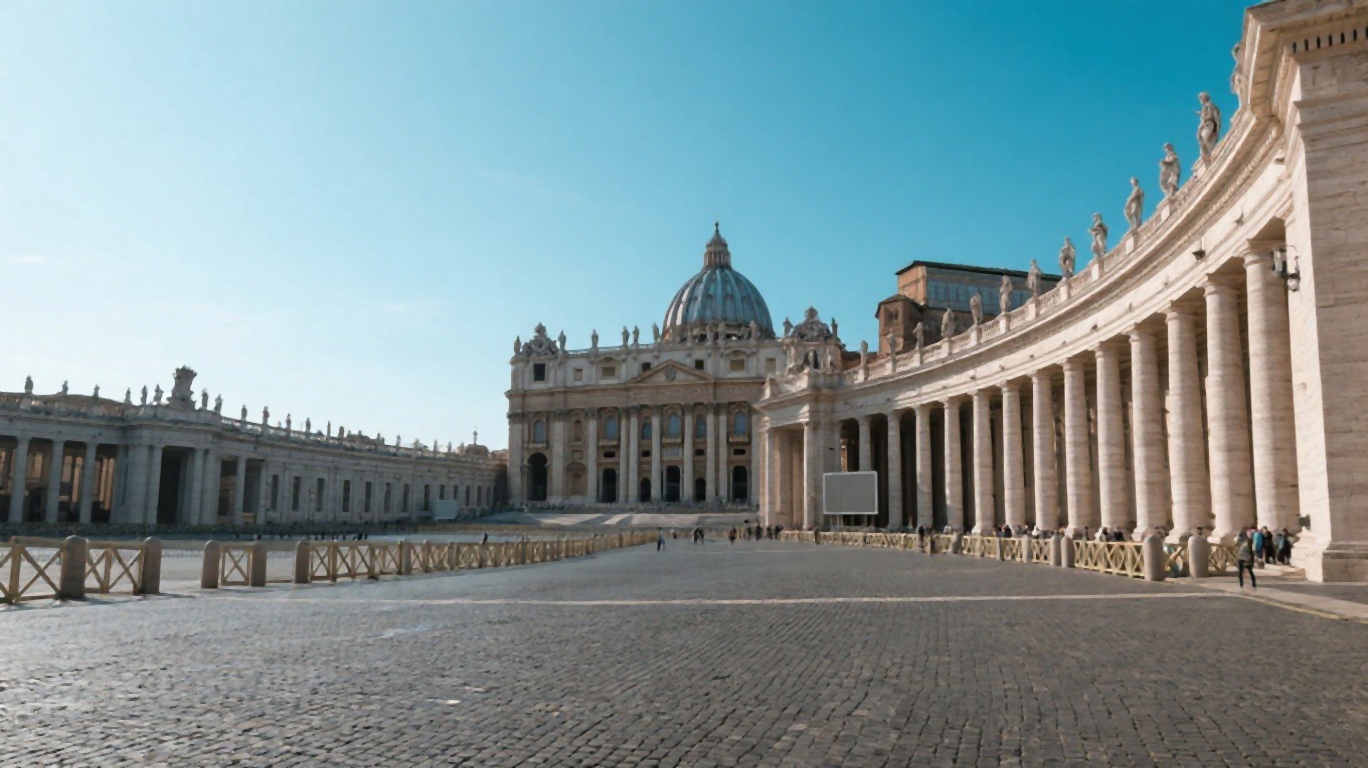
St. Peter’s Basilica is free to enter but the line can stretch 45 minutes. The hack: exit the Sistine Chapel through the door on the right marked for tour groups (technically for guided tours, but guards rarely stop individual visitors) and you’ll emerge directly inside the basilica, bypassing the main queue entirely. Climbing the dome costs €10 (≈ $10.80 USD) for the full stair climb — 551 steps — and the 360-degree view from the top is the finest in Rome.
For lunch, cross the Tiber to Pizzarium Bonci (Via della Meloria, 43), Gabriele Bonci’s legendary pizza al taglio shop. Slices run €3–6 (≈ $3.25–6.50 USD) and the toppings rotate daily — I had one with mortadella, burrata, and pistachio that I still dream about. It’s a 15-minute walk from the Vatican or one Metro stop (Cipro).
Planning tip: The Vatican enforces a strict dress code — no bare shoulders or knees. Carry a light scarf in your bag even in summer. I watched a couple turned away at the door in July; don’t let that be you.
3. ROMAN FOOD CULTURE: A CITY THAT EATS WITH ITS WHOLE SOUL
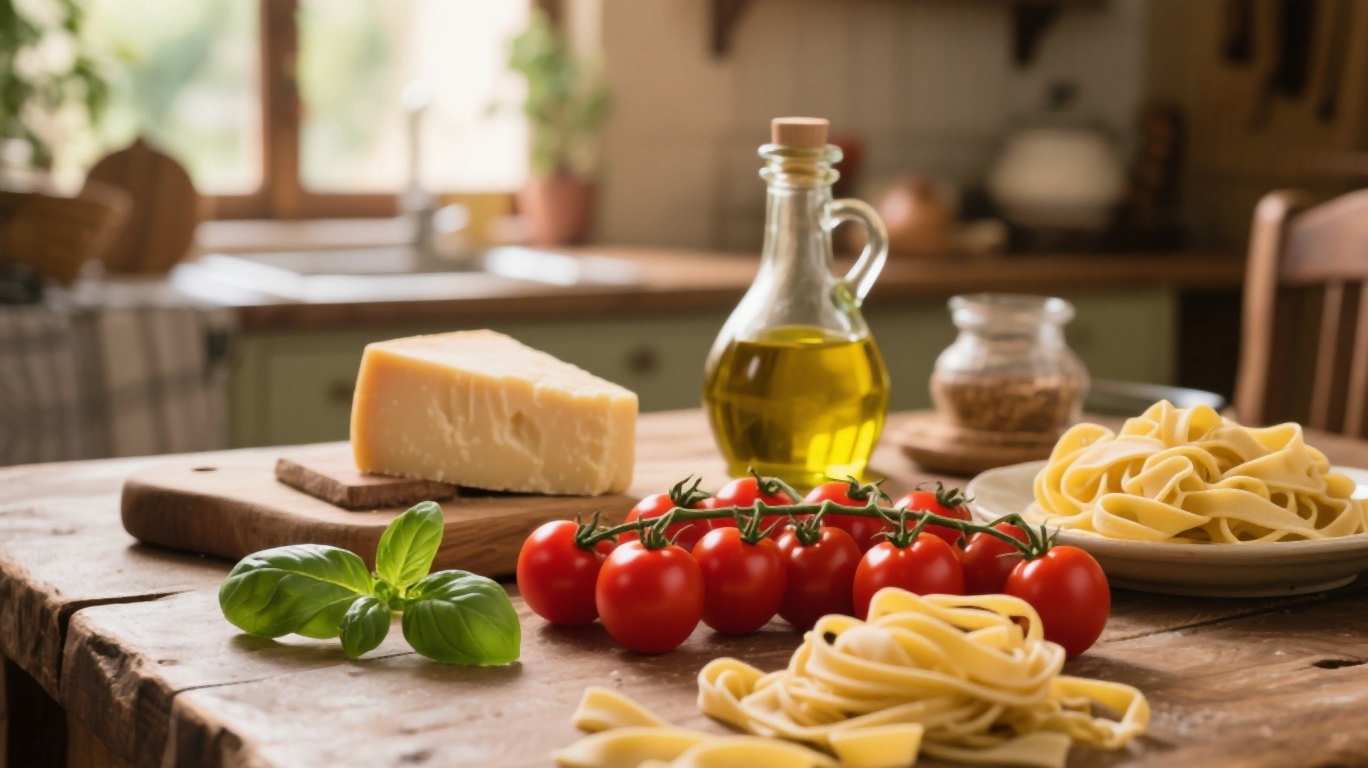
Roman food is not Italian food in general. It is its own fiercely defended tradition built around five canonical pasta dishes: cacio e pepe, carbonara, amatriciana, gricia, and pasta alla norma (borrowed from Sicily but adopted with enthusiasm). Learning to tell them apart — and knowing which trattoria does each one best — is the fastest way to eat like a local.
For carbonara, Roscioli Salumeria (Via dei Giubbonari, 21) is the pilgrimage site. Their rigatoni alla carbonara (€16 / ≈ $17.30 USD) uses guanciale aged 18 months and Pecorino Romano DOP. Reserve at least three days ahead; walk-ins are nearly impossible at dinner. For a less-touristed alternative, Da Enzo al 29 (Via dei Vascellari, 29) in Trastevere serves a carbonara that rivals Roscioli at nearly half the price (€10 / ≈ $10.80 USD), and the outdoor terrace on the cobblestone lane is pure Roman theatre.
Pizza in Rome means thin, crispy, almost cracker-like crust — nothing like Neapolitan puff. Da Remo (Piazza di Santa Maria Liberatrice, 44) in Testaccio has been doing it right since 1960. A margherita runs €7 (≈ $7.55 USD), and the fried supplì (rice balls stuffed with mozzarella, €2 / ≈ $2.15 USD) are mandatory starters. Arrive by 7:30 p.m. or join a queue that snakes around the piazza.
For gelato, forget any shop where the product is piled in colourful mountains — that’s a sign of stabilisers and artificial colours. Instead, look for flat, muted tones stored in covered metal pans. Fatamorgana (multiple locations; the Via Laurina shop near Piazza del Popolo is most central) uses no artificial ingredients whatsoever. Two scoops cost €3 (≈ $3.25 USD). The Kentuki (tobacco, dark chocolate, walnut) flavour is otherworldly.
Planning tip: Italians eat dinner late — restaurants open at 7:30 or 8:00 p.m. and peak seating is 9:00 p.m. Showing up at 6:00 p.m. marks you as a tourist faster than a selfie stick. Use the early evening for aperitivo instead: a Negroni and free snacks at any bar in Trastevere will cost €8–10 (≈ $8.65–10.80 USD).
4. FLORENCE: WHERE ART IS THE AIR YOU BREATHE
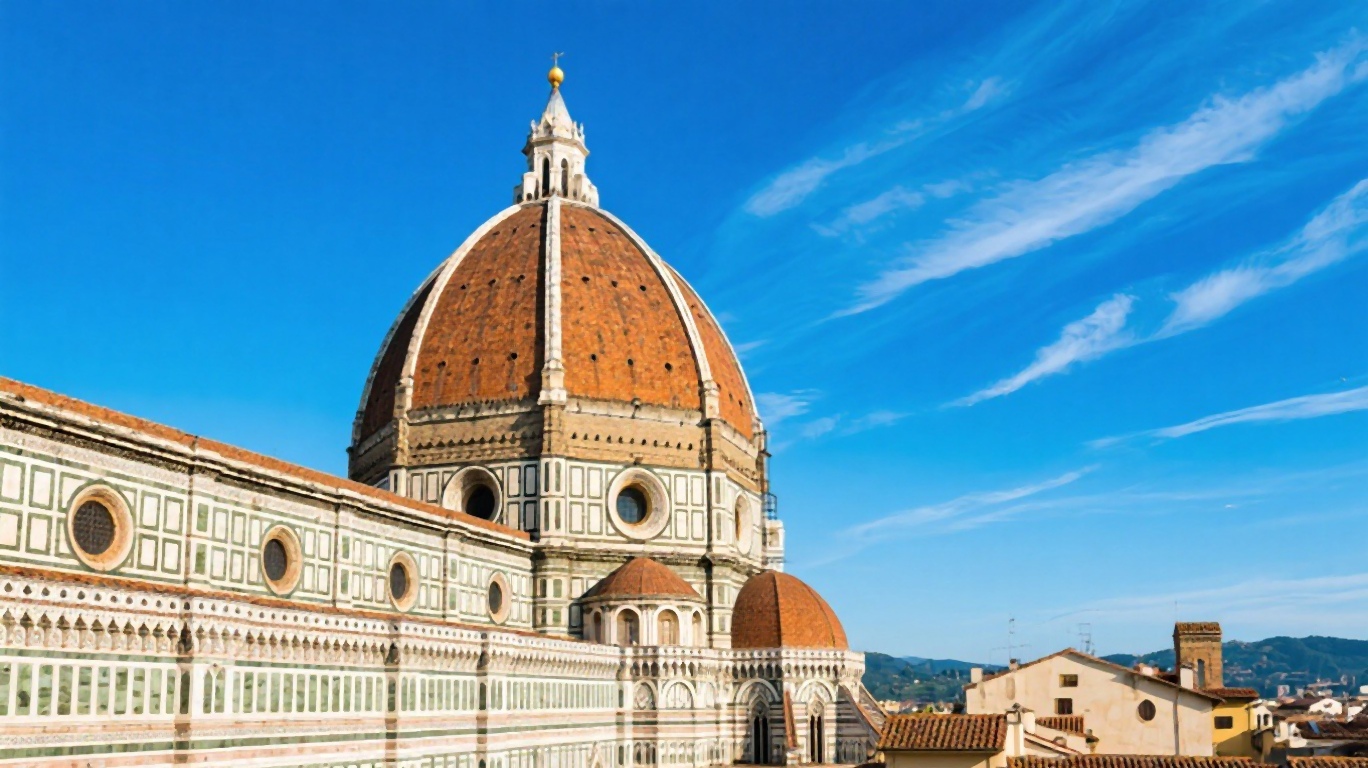
The high-speed Frecciarossa train from Roma Termini to Firenze Santa Maria Novella takes just 1 hour 32 minutes and costs as little as €19.90 (≈ $21.50 USD) if booked three weeks out. Step off the train, walk 10 minutes south, and Brunelleschi’s terracotta dome rises above the rooftops like a Renaissance spaceship. Florence is compact enough to cover on foot, and that intimacy is part of its charm — you’ll turn a corner from a leather shop and suddenly face a Giotto fresco.
The Uffizi Gallery demands a full morning. Admission is €25 (≈ $27 USD) from March to October, dropping to €12 in winter. Book timed-entry tickets on the official Uffizi website. Room 8 (Filippo Lippi) and Room 10–14 (Botticelli’s Birth of Venus and Primavera) are the superstars, but don’t skip the Caravaggio rooms on the ground floor — his Medusa shield stopped me cold.
Climbing the Duomo’s dome (€30 / ≈ $32.40 USD for the combined Brunelleschi Pass, which includes the dome, baptistery, bell tower, crypt, and museum) is non-negotiable. The 463-step ascent takes you between the inner and outer shells of the dome, close enough to touch Vasari’s frescoes of the Last Judgment. Timed reservations are mandatory.
Ponte Vecchio is best visited at golden hour, when the Arno reflects the ochre buildings and the jewellery shops glow from within. For dinner nearby, Trattoria Mario (Via Rosina, 2, near San Lorenzo Market) has served communal-table lunches since 1953. The ribollita (Tuscan bread soup, €7 / ≈ $7.55 USD) is soul food, and a carafe of Chianti is €5. Cash only, no reservations — join the queue and make friends.
For a splurge dinner, Il Latini (Via dei Palchetti, 6) hangs prosciutto from the ceiling beams and serves a bistecca alla fiorentina (€50/kg / ≈ $54 USD/kg; a typical steak for two runs €55–70) that arrives charred on the outside and ruby-rare within. Share it, split a bottle of Brunello di Montalcino, and embrace the beautiful excess.
Planning tip: Florence’s museums are closed on Mondays (the Uffizi) or alternate Mondays (the Accademia, home to Michelangelo’s David). Plan your itinerary around closing days or you’ll find yourself staring at locked doors. The Accademia charges €16 (≈ $17.30 USD) and you can see David in about 45 minutes — it’s worth every cent.
5. TUSCAN DAY TRIPS: ROLLING HILLS AND MEDIEVAL TOWERS
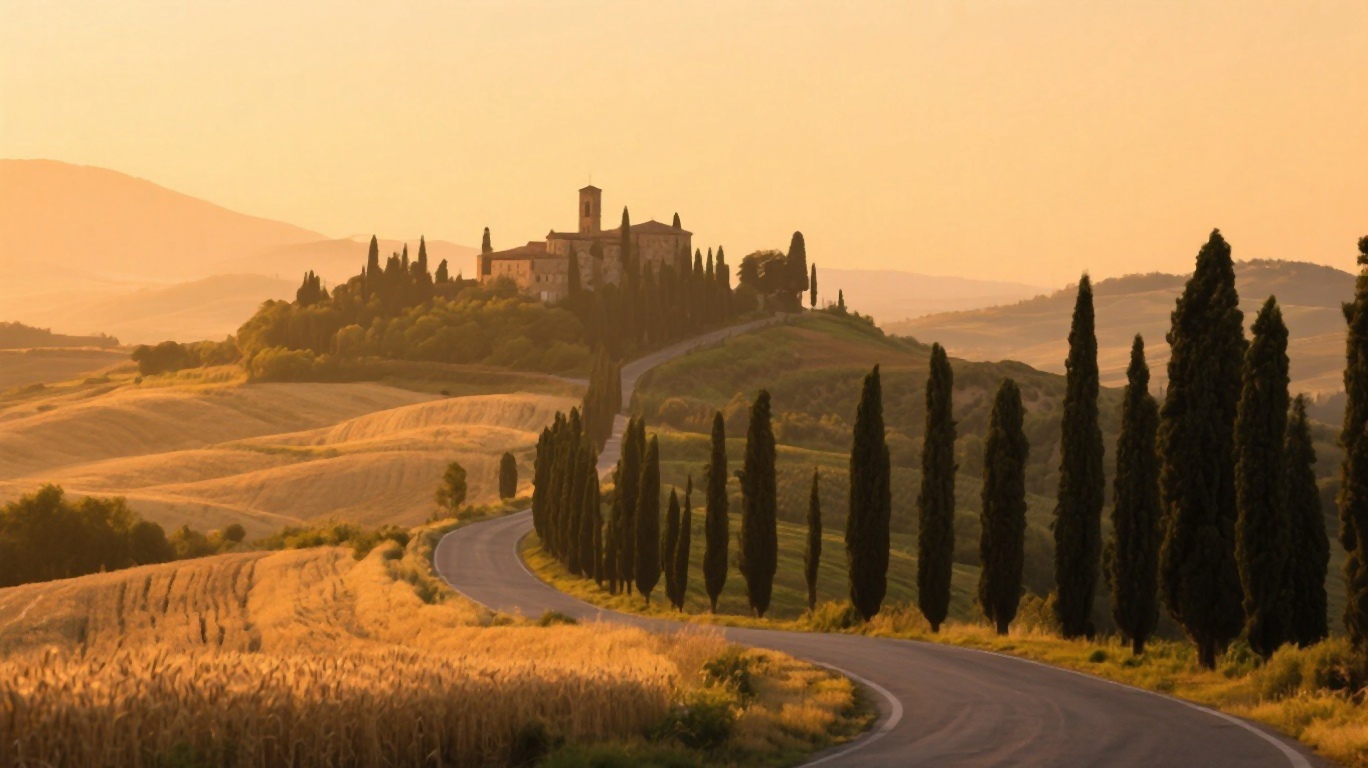
Dedicating one full day to the Tuscan countryside is the antidote to museum fatigue. I rented a car from Florence airport (€45/day / ≈ $48.60 USD through Europcar, booked via their website) and drove the SR222 — the Chiantigiana — a winding road through the heart of Chianti wine country. Every hilltop village begs a photo stop, every roadside enoteca begs a tasting.
Siena, 75 minutes south of Florence by bus (SITA, €8.40 / ≈ $9.05 USD one-way), centres on the shell-shaped Piazza del Campo, where the famous Palio horse race takes place every July 2 and August 16. Even without the race, the piazza is mesmerising — buy a €2 espresso at Bar Il Palio and sit on the brick slope to people-watch. The Duomo di Siena (€15 / ≈ $16.20 USD combined ticket including the Piccolomini Library) has an inlaid marble floor that took 200 years to complete.
San Gimignano, the “Medieval Manhattan,” rises from the wheat fields with 14 surviving stone towers (of an original 72). It’s touristy, yes, but the view from the Torre Grossa (€9 / ≈ $9.70 USD) silences all cynicism. Stop at Gelateria Dondoli on Piazza della Cisterna for the world-champion gelato — the saffron and Vernaccia flavour is unforgettable, €3 for two scoops (≈ $3.25 USD).
If wine is your priority, book a tasting at Antinori nel Chianti Classico (Bargino, just off the Florence–Siena highway). Their signature tasting of four wines costs €25 (≈ $27 USD) and includes a tour of the stunning subterranean winery designed by architect Marco Casamonti. Reserve online at least a week in advance.
Planning tip: If you don’t want to drive, several operators run small-group day tours from Florence covering Siena, San Gimignano, and a Chianti winery for €60–85 (≈ $65–92 USD) per person including wine tasting and a light lunch. Look for tours with a maximum of 8 passengers — the 50-seat coach experience is a different (lesser) animal entirely.
6. VENICE ON FOOT: SURRENDER TO THE LABYRINTH
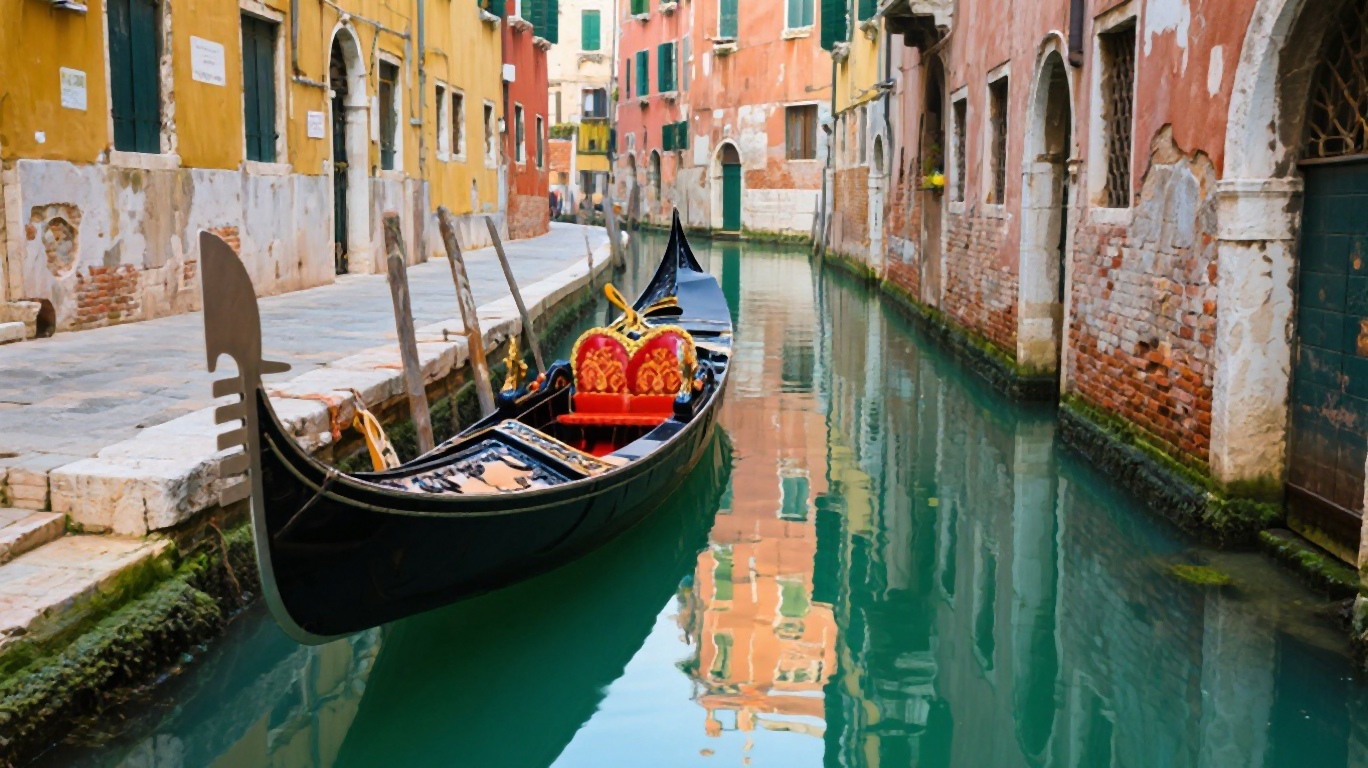
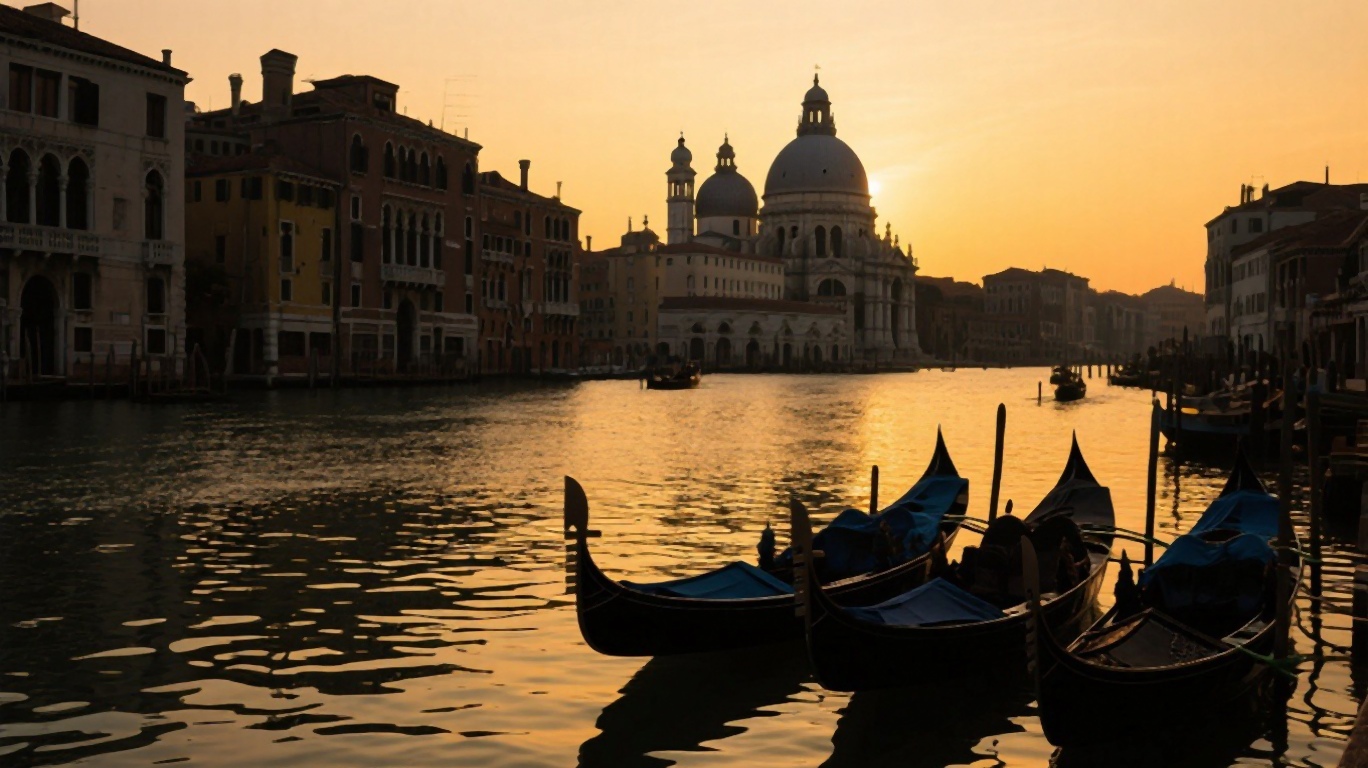
Venice is not a city with canals. Venice is a city of canals — 150 of them, crossed by over 400 bridges, spread across 118 islands. The moment you exit Venezia Santa Lucia station and see the Grand Canal spread before you, wide and jade-green and impossibly beautiful, every photograph you’ve ever seen becomes irrelevant. This city must be experienced in the flesh.
Start at Piazza San Marco early — by 7:30 a.m. the square belongs to pigeons and photographers, not cruise-ship passengers. The Basilica di San Marco is free to enter (though the Pala d’Oro altarpiece costs €5 / ≈ $5.40 USD and the museum €7 / ≈ $7.55 USD). The gold mosaics covering 8,000 square metres of ceiling will leave you slack-jawed. Climb the Campanile (€10 / ≈ $10.80 USD) for the best bird’s-eye view of the city and the lagoon.
Walk from San Marco to the Rialto Bridge through the web of narrow calli (streets) rather than following the main tourist flow along the waterfront. You’ll stumble upon mask-maker workshops, tiny bacari (wine bars) where locals stand elbow-to-elbow drinking ombra (a small glass of wine, €2–3 / ≈ $2.15–3.25 USD), and sudden clearings where laundry flutters between buildings five storeys up.
At the Rialto, detour into the Rialto Fish Market (Tuesdays through Saturdays, mornings only). The seafood stalls are a riot of colour and dialect. For lunch, duck into All’Arco (Calle dell’Ochialer, 436), a standing-room-only bacaro where the cicheti (Venetian tapas) change daily. Three or four pieces with a glass of prosecco will run €10–12 (≈ $10.80–12.95 USD) and constitute one of the best meals in the city.
A gondola ride costs a fixed €80 (≈ $86.40 USD) for 30 minutes during the day, €100 (≈ $108 USD) after 7 p.m. It’s expensive, it’s touristy, and I’d do it again without hesitation. Request the small back canals rather than the Grand Canal — the intimacy is worth more than the spectacle.
Planning tip: Venice charges a day-tripper entry fee of €5 (≈ $5.40 USD) on peak days (mostly weekends and holidays from April to July). If you’re staying overnight in registered accommodation, you’re exempt — your hotel will provide a QR code. Check the official Venezia Unica website for applicable dates.
7. VENICE BEYOND THE TOURISTS: ISLANDS, ART, AND SHADOW
The islands of the Venetian lagoon deserve a full day, and the ACTV vaporetto (water bus) makes it easy. A 75-minute single ticket costs €9.50 (≈ $10.25 USD), but the 24-hour pass at €25 (≈ $27 USD) pays for itself in two rides and gives you unlimited hop-on-hop-off freedom across the entire network.
Murano, a 10-minute vaporetto ride from Fondamente Nove, has been the centre of Venetian glassblowing since 1291, when the Republic ordered all furnaces moved here to reduce fire risk. Watch a live demonstration at Vetreria Murano Arte (free, no booking needed) and browse the showrooms, but be wary: much of the “Murano glass” sold in Venice proper is actually Chinese import. On Murano itself, look for the “Vetro Artistico Murano” trademark sticker.
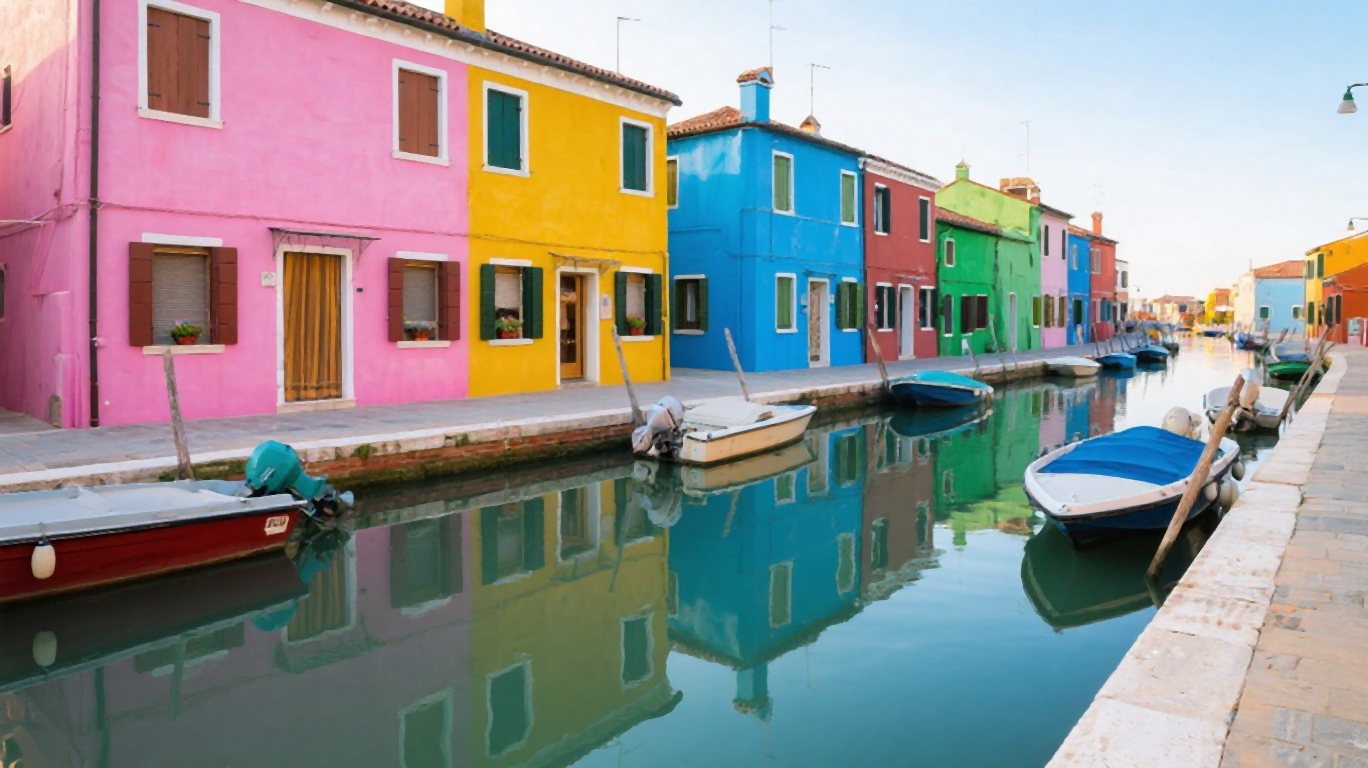
Burano, 40 minutes from Murano by vaporetto, is the lagoon’s Technicolor jewel. Every house is painted a different shade — fuchsia next to turquoise next to canary yellow — and the effect is hallucinatory. Burano is also famous for lace, though most of the doilies in tourist shops are machine-made. For the real thing, visit the Museo del Merletto (€5 / ≈ $5.40 USD). Lunch at Trattoria al Gatto Nero (Fondamenta Giudecca, 88) is island dining at its best — the risotto de gò (lagoon goby fish risotto, €22 / ≈ $23.75 USD) is legendary. Book ahead.
Back on the main island, the Dorsoduro neighbourhood is where Venice’s creative class lives. The Peggy Guggenheim Collection (€16 / ≈ $17.30 USD) occupies her former palazzo on the Grand Canal and houses exceptional modern art — Pollock, Dalí, Magritte — in an intimate setting. Afterward, walk along the Zattere waterfront promenade at sunset with a spritz from Al Bottegon (Fondamenta Nani, 992), where a generous aperol spritz costs just €4 (≈ $4.30 USD) — roughly half the San Marco price.
Planning tip: Vaporetto Line 12 connects Murano to Burano directly, but it runs roughly every 30 minutes. Check the ACTV timetable on their app (free download, real-time updates) to avoid 25-minute waits on exposed jetties in the summer sun.
8. GETTING AROUND ITALY: TRAINS, PLANES, AND WATER TAXIS
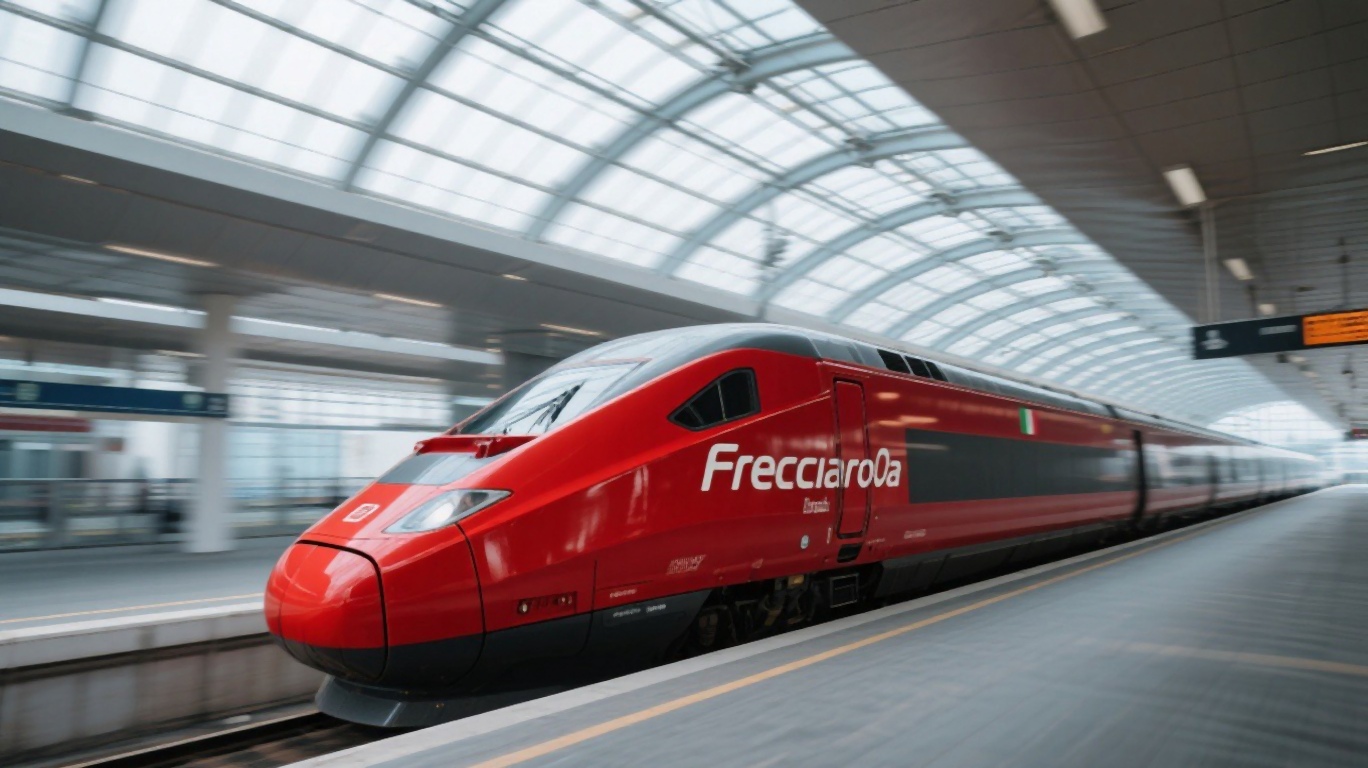
Italy’s rail network is one of Europe’s finest, and for the Rome–Florence–Venice triangle, trains are the only sensible option. The state-run Trenitalia operates three tiers: Frecciarossa (fastest, most expensive), Frecciargento, and the budget-friendly Regionale. Private competitor Italo runs slick, high-speed trains on the same routes, often at slightly lower prices.
Key routes and advance-booking prices: Rome to Florence takes 1h 32m by Frecciarossa (from €19.90 / ≈ $21.50 USD). Florence to Venice runs 2h 06m (from €19.90 / ≈ $21.50 USD). Rome to Venice direct is 3h 45m (from €29.90 / ≈ $32.30 USD). These “Super Economy” fares are non-refundable and sell out quickly — book on Trenitalia.com or the Trenitalia app the moment your dates are confirmed.
For Venice specifically, the Alilaguna water bus from Marco Polo Airport to central Venice costs €15 (≈ $16.20 USD) one way and takes about 75 minutes to San Marco. A private water taxi is dramatically more romantic — and dramatically more expensive — at €110–130 (≈ $119–140 USD) for the 30-minute ride. Split among four people, though, it becomes almost reasonable, and arriving in Venice by speedboat through the lagoon is an entrance worthy of a Bond film.
Within cities, walk. Rome’s Metro is useful for two stops (Termini to Colosseo, Termini to Ottaviano for the Vatican) but the city rewards pedestrians. Florence barely needs public transit at all. In Venice, the vaporetto is essential for the islands and the Grand Canal, but between neighbourhoods, your feet are fastest — and the GPS on your phone will lead you astray at least twice. Embrace it.
Planning tip: Italy’s budget airlines (Ryanair, Wizz Air) connect secondary airports at absurdly low fares, but Rome has two airports (Fiumicino for international, Ciampino for budget carriers) and the transfer from Ciampino adds €6 bus fare and 40 minutes. Factor that into any “€15 flight” calculation.
9. BUDGET BREAKDOWN: WHAT ITALY ACTUALLY COSTS IN 2026
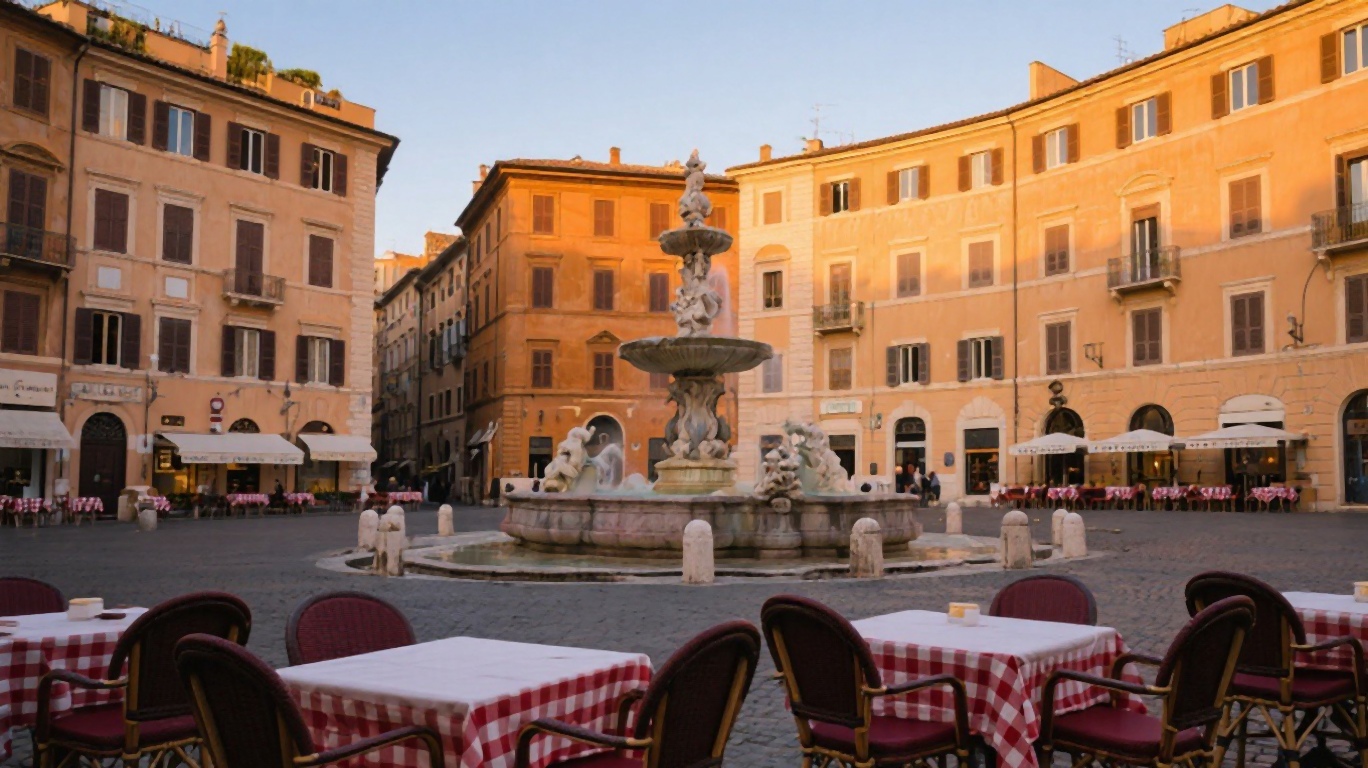
Italy can be done on a backpacker budget or it can devour your savings with elegant efficiency. The difference often comes down to knowing when to splurge and when to save. Below is a realistic daily breakdown per person based on my most recent trip, grouped into three tiers.
| Category | Budget (€/day) | Mid-Range (€/day) | Splurge (€/day) |
|---|---|---|---|
| Accommodation | €35–50 ($38–54) | €100–160 ($108–173) | €250–450 ($270–486) |
| Food & Drink | €25–35 ($27–38) | €50–75 ($54–81) | €120–200 ($130–216) |
| Transport (within city) | €5–8 ($5.40–8.65) | €10–18 ($10.80–19.45) | €30–80 ($32.40–86.40) |
| Intercity Travel | €20–30 ($21.60–32.40) | €30–50 ($32.40–54) | €50–100 ($54–108) |
| Museums & Attractions | €15–25 ($16.20–27) | €25–40 ($27–43.20) | €40–80 ($43.20–86.40) |
| Daily Total | €100–148 ($108–160) | €215–343 ($232–370) | €490–910 ($529–983) |
| 7-Day Total | €700–1,036 ($756–1,119) | €1,505–2,401 ($1,625–2,593) | €3,430–6,370 ($3,704–6,880) |
Budget travellers should target hostels (a bed in a 6-person dorm at The Yellow in Rome averages €32 / ≈ $34.55 USD), eat lunch at pizza al taglio shops and aperitivo buffets, and use regional trains instead of high-speed. Mid-range travellers will find excellent value in three-star boutique hotels and B&Bs — Hotel Davanzati in Florence (from €140 / ≈ $151 USD) combines a perfect location near Piazza della Signoria with genuine Florentine charm. Splurge travellers: Venice’s Aman Venice (from €900 / ≈ $972 USD) is set in a Tiepolo-frescoed palazzo on the Grand Canal. It is, frankly, absurd in the most magnificent way.
The one budget hack that works everywhere: eat your big meal at lunch. Many restaurants offer a pranzo (lunch) menu with primo, secondo, and water for €12–18 (≈ $13–19.45 USD) — the same dishes at dinner cost 30–50% more. Supplement with aperitivo in the early evening and a late-night slice of pizza bianca for €2, and you’ll eat magnificently for €30 a day.
Planning tip: Always carry cash in Italy. Many smaller trattorias, bacari, and market stalls don’t accept cards below €10–15, and some don’t accept them at all. ATMs (bancomat) are everywhere, but avoid the Euronet-branded ones in tourist zones — they charge conversion fees of 5–8%. Use bank-affiliated ATMs instead.
10. ITALIAN ETIQUETTE and SAFETY: WHAT NO ONE TELLS FIRST-TIMERS
The coperto is not a scam — it’s a legal bread-and-table-setting charge of €1.50–3.50 (≈ $1.60–3.80 USD) per person that appears on every restaurant bill. It’s disclosed on menus (usually in fine print) and is standard practice across Italy. What is a scam: restaurants near major tourist sites that don’t display prices on the menu. If you don’t see prices, walk away.
Tipping in Italy is appreciated but never expected. Service (servizio) is occasionally included in the bill at 10–15% — check before adding more. At trattorias, rounding up or leaving €1–2 per person is generous. At high-end restaurants, 5–10% is the maximum. Baristas expect nothing beyond your €1.20 espresso, and taxi drivers appreciate rounding to the nearest euro.
Pickpocket warnings: Rome’s Metro Line A (especially Termini station), the area around the Colosseum, and the Vatican Museum entrance are the highest-risk zones. In Florence, watch your bag around San Lorenzo Market and on the Ponte Vecchio. Venice is comparatively safe, but the crowded vaporetto at San Marco is a target. Use a cross-body bag, keep your phone in a front pocket, and never set your handbag on the back of a chair at outdoor restaurants.
Common scams to recognise: the “friendship bracelet” hustlers at the Colosseum and Sacré-Cœur will tie a bracelet on your wrist and demand €5–10; keep your hands in your pockets and say “no” firmly. The clipboard petition-signers at Piazza Navona are distraction thieves — don’t engage. Fake “gladiators” outside the Colosseum will pose for photos and then demand €10–20; this is technically illegal, and you are within your rights to refuse payment.
A few cultural notes: never order a cappuccino after 11 a.m. — Italians consider hot milk after a meal an abomination. Don’t ask for parmesan on seafood pasta; the waiter may physically recoil. And if you’re eating pizza, use a fork and knife — eating with your hands is acceptable for pizza al taglio (by-the-slice) but frowned upon in a sit-down restaurant, at least in central and northern Italy.
In churches, silence and modesty are expected regardless of your faith. Cover your shoulders, lower your voice, and don’t use flash photography. This isn’t just etiquette — it’s respect for spaces that are active houses of worship, not museums with pews.
Planning tip: Learn five phrases and use them constantly: Buongiorno (good morning/day — switch to Buonasera after about 5 p.m.), Per favore (please), Grazie (thank you), Mi scusi (excuse me), and Il conto, per favore (the bill, please). The shift in how you’re treated is immediate and measurable.
ROUTE AT A GLANCE
| Day | City | Highlights | Where to Eat |
|---|---|---|---|
| 1 | Rome | Colosseum, Roman Forum, Palatine Hill, Monti neighbourhood | Taverna dei Fori Imperiali |
| 2 | Rome | Vatican Museums, Sistine Chapel, St. Peter’s Basilica, dome climb | Pizzarium Bonci |
| 3 | Rome | Trastevere, Piazza Navona, Pantheon, food crawl | Da Enzo al 29, Roscioli, Fatamorgana |
| 4 | Florence | Frecciarossa from Rome; Uffizi Gallery, Duomo dome climb | Trattoria Mario |
| 5 | Tuscany / Florence | Day trip: Siena, San Gimignano, Chianti tasting | Gelateria Dondoli, Antinori estate |
| 6 | Venice | Frecciarossa from Florence; San Marco, Rialto, bacaro crawl | All’Arco, Al Bottegon |
| 7 | Venice | Murano, Burano, Dorsoduro, Guggenheim Collection | Trattoria al Gatto Nero |
Updated: June 2026. Prices verified during field research in April–May 2026; confirm current rates before booking.
Some links in this article may be affiliate links. If you book through them, we earn a small commission at no extra cost to you — it helps keep this guide free and frequently updated. We only recommend services and products we’ve personally tested.
