
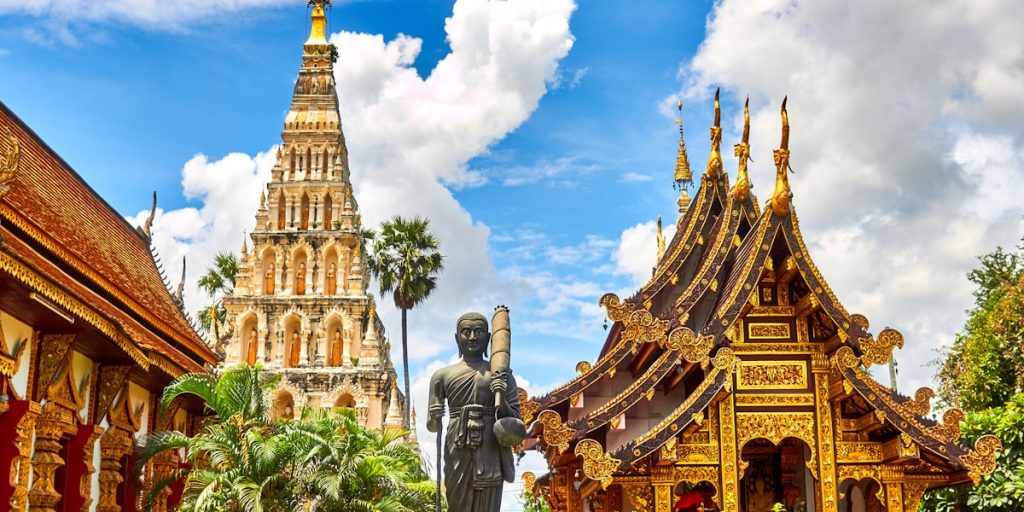
Seven days is enough to fall hard for Thailand — but only if you don’t waste half your trip recovering from bad planning. Most first-timers try to cram in too much: Bangkok, Chiang Mai, Phuket, Krabi, a full-moon party, and maybe a quick detour to Cambodia. They end up spending more time in airports than actually experiencing anything.
This itinerary is different. Three cities, one country, zero backtracking. You’ll fly into Bangkok, take a domestic flight north to Chiang Mai, then head south to the islands. When you fly home from Koh Samui (or Surat Thani), you won’t have retraced a single step.
Every price in this guide was verified in early 2026. Every restaurant exists. Every tip comes from someone who actually made these mistakes so you don’t have to.
1. EXPLORE BANGKOK’S TEMPLE TRIANGLE
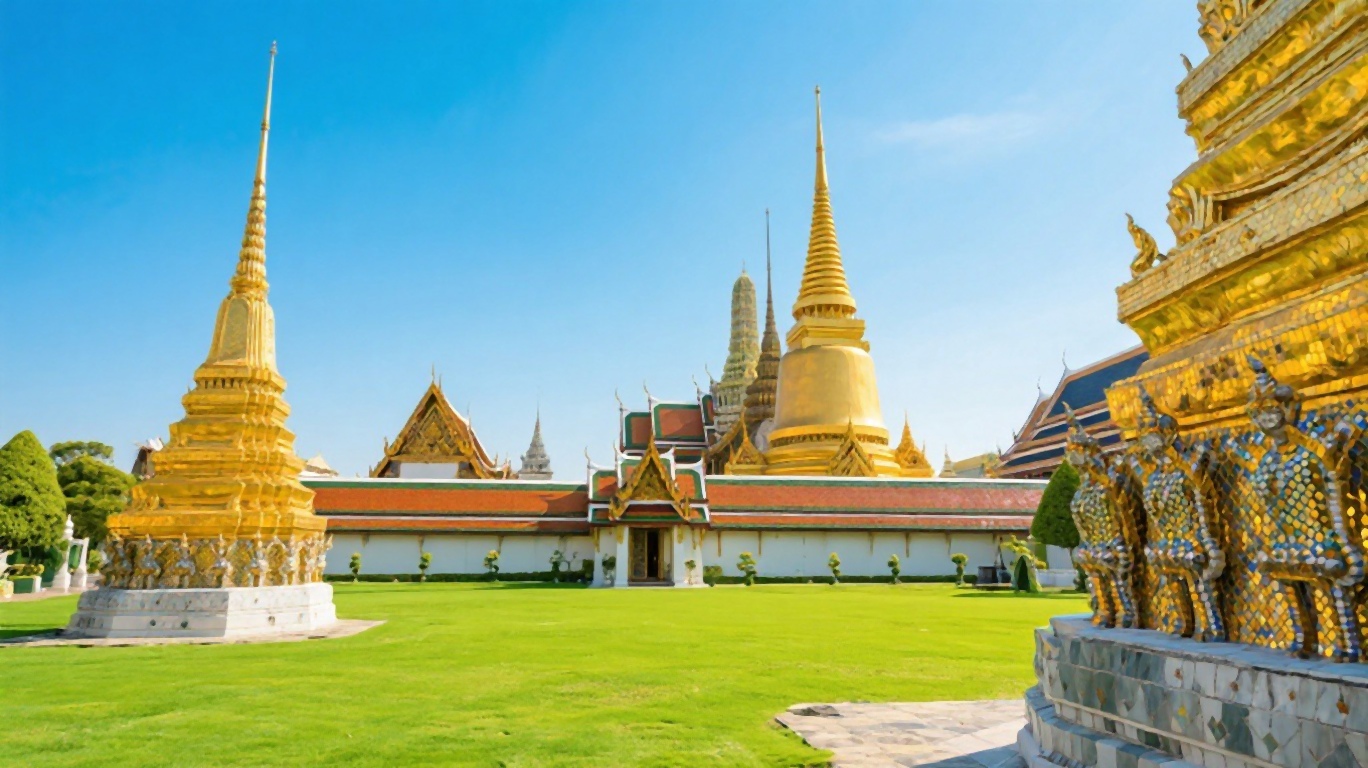
Bangkok’s three essential temples — the Grand Palace & Wat Phra Kaew, Wat Pho, and Wat Arun — sit within a 2km stretch along the Chao Phraya River. You can walk between all three in a single morning, and you should, because the afternoon heat will flatten you.
Start at the Grand Palace (500 baht / $14, opens 8:30am). Get there by 8:15 — the tour bus crowds arrive around 9:30 and the difference is staggering. The Emerald Buddha inside Wat Phra Kaew is smaller than you expect (just 66cm tall), but the surrounding murals depicting the Ramakien epic are extraordinary. Budget 90 minutes here.
Walk south for 10 minutes to Wat Pho (300 baht / $8.50). The 46-meter Reclining Buddha is the photo everyone takes, but the real magic is the four chapels in the rear courtyard — they’re usually empty. This is also the birthplace of traditional Thai massage. The on-site massage school charges 260 baht ($7.50) for a 30-minute foot massage, and the therapists are students supervised by masters. It’s the best-value massage in Bangkok by a wide margin.
Cross the river on the 4-baht ferry (literally 11 cents) to Wat Arun (100 baht / $3). The steep central prang is climbable, and the porcelain mosaic tiles glitter in the late-morning light. Go on a weekday if possible — weekends can mean 30-minute queues for the staircase.
Planning tip: Dress code is strictly enforced at the Grand Palace: covered shoulders and knees, no see-through clothing. They sell wraps at the entrance for 200 baht but the quality is terrible. Bring a light scarf from your hotel. Wat Pho and Wat Arun are more lenient but still require covered knees.
2. EAT YOUR WAY THROUGH BANGKOK’S STREETS
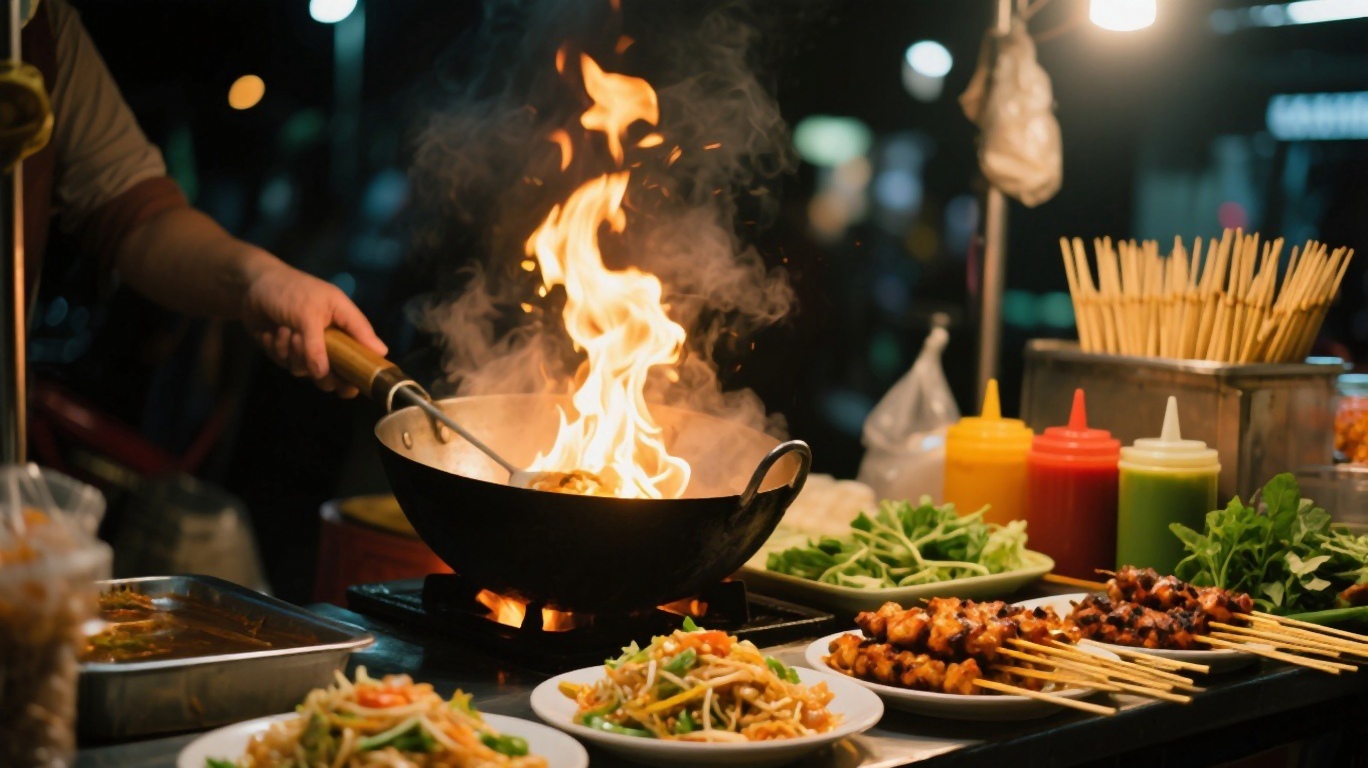
Bangkok’s street food isn’t just cheap — it’s genuinely better than most restaurant food. The Michelin Guide agrees: Jay Fai on Maha Chai Road earned a star for her legendary crab omelet (1,000 baht / $29, which sounds expensive until you see the mountain of crab). Reservations are technically possible but most people queue. Arrive at 2pm for dinner service; the line moves faster than it looks.
Yaowarat Road (Chinatown) is the epicenter. Walk the full kilometer from the Chinatown Gate to the Odeon Circle after 6pm when the stalls are all firing. Don’t miss:
- Nai Ek Roll Noodles (40 baht / $1.15) — wide rice noodles with roast pork, been here since 1952
- T&K Seafood (150–400 baht / $4–11) — the grilled river prawns are the size of your forearm
- Jek Pui Curry Rice (50 baht / $1.45) — Thai-Chinese curry over rice, cash only, no English menu — just point at what looks good
For breakfast, skip your hotel buffet and find a street stall selling joke (Thai rice porridge). Every neighborhood has one. A bowl with pork and a soft-boiled egg costs 35–45 baht ($1–1.30). Add a pa tong ko (Chinese-style donut) for dipping — 10 baht.
Planning tip: The Bangkok food scene has a hidden calendar. Or Tor Kor Market (next to Chatuchak) opens at 6am and has the country’s best tropical fruit — order a plate of cut mango with sticky rice for 80 baht ($2.30). It’s air-conditioned, clean, and there are seats. Michelin recognized it as one of the world’s top fresh markets.
3. NAVIGATE BANGKOK LIKE A LOCAL
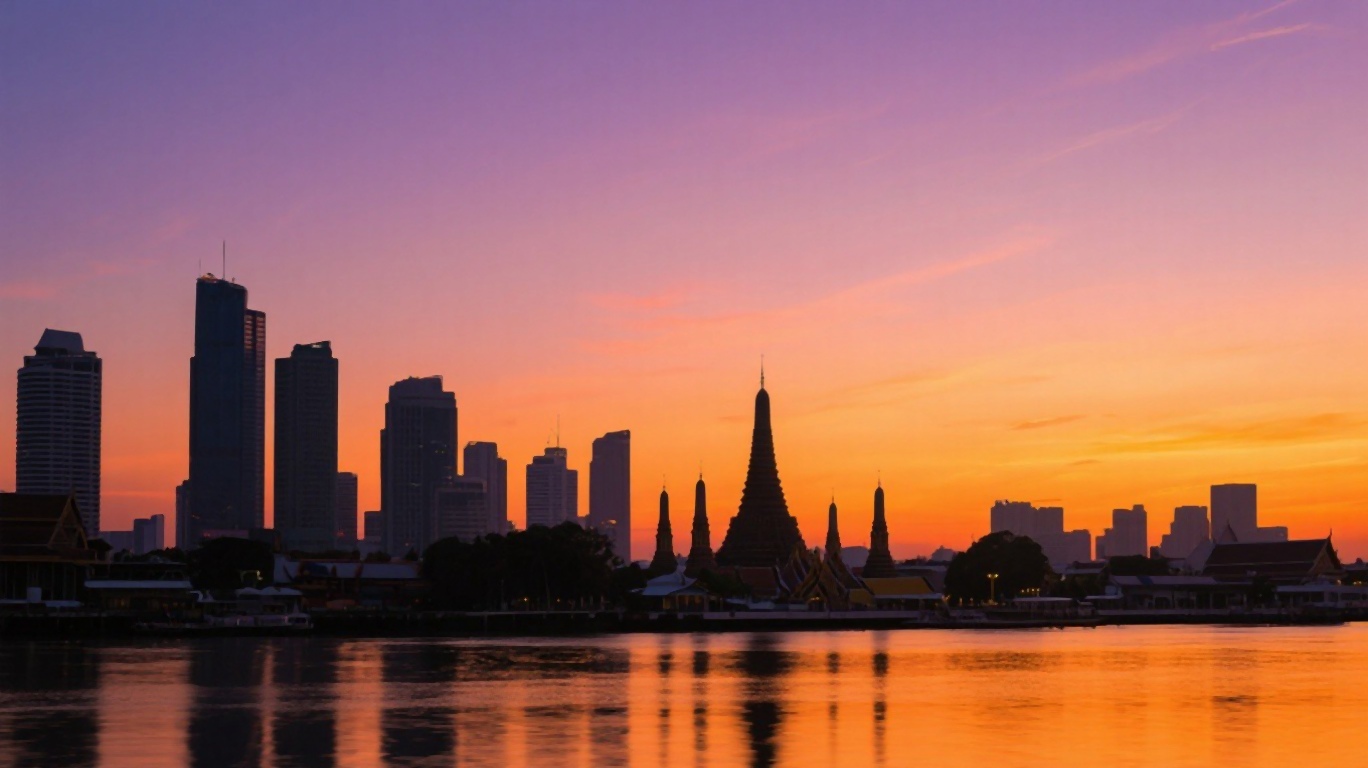
Bangkok’s traffic is legendary for good reason. A taxi from Siam to the Grand Palace can take 15 minutes or 90 minutes depending on the time of day. The secret is to never rely on roads between 7–10am and 4–8pm.
The BTS Skytrain and MRT subway cover modern Bangkok well. A single trip costs 17–62 baht ($0.50–1.80) depending on distance. Buy a Rabbit card (100 baht deposit + whatever you load) at any BTS station to avoid queuing for tokens every time.
For the old town and riverside area (where the temples are), the Chao Phraya Express Boat is unbeatable. The orange-flag boat runs every 5–15 minutes, costs 16 baht flat ($0.45), and connects Sathorn (BTS Saphan Taksin) to Tha Phra Athit near Khao San Road in about 30 minutes. The blue-flag “tourist boat” costs 60 baht — skip it, the orange flag goes to the same stops.
For Grab (Southeast Asia’s Uber), set your pickup to a main road. Drivers won’t enter sois (side streets) because they can’t turn around. A Grab from Sukhumvit to the Grand Palace typically costs 120–180 baht ($3.50–5.00) off-peak.
Planning tip: Download the ViaBus app for real-time Bangkok bus tracking. Air-conditioned buses (blue and orange) cost 13–25 baht and go everywhere the trains don’t. Route 511 is the backpacker favorite — it runs from Khao San Road to Sukhumvit.
4. DISCOVER CHIANG MAI’S OLD CITY ON FOOT
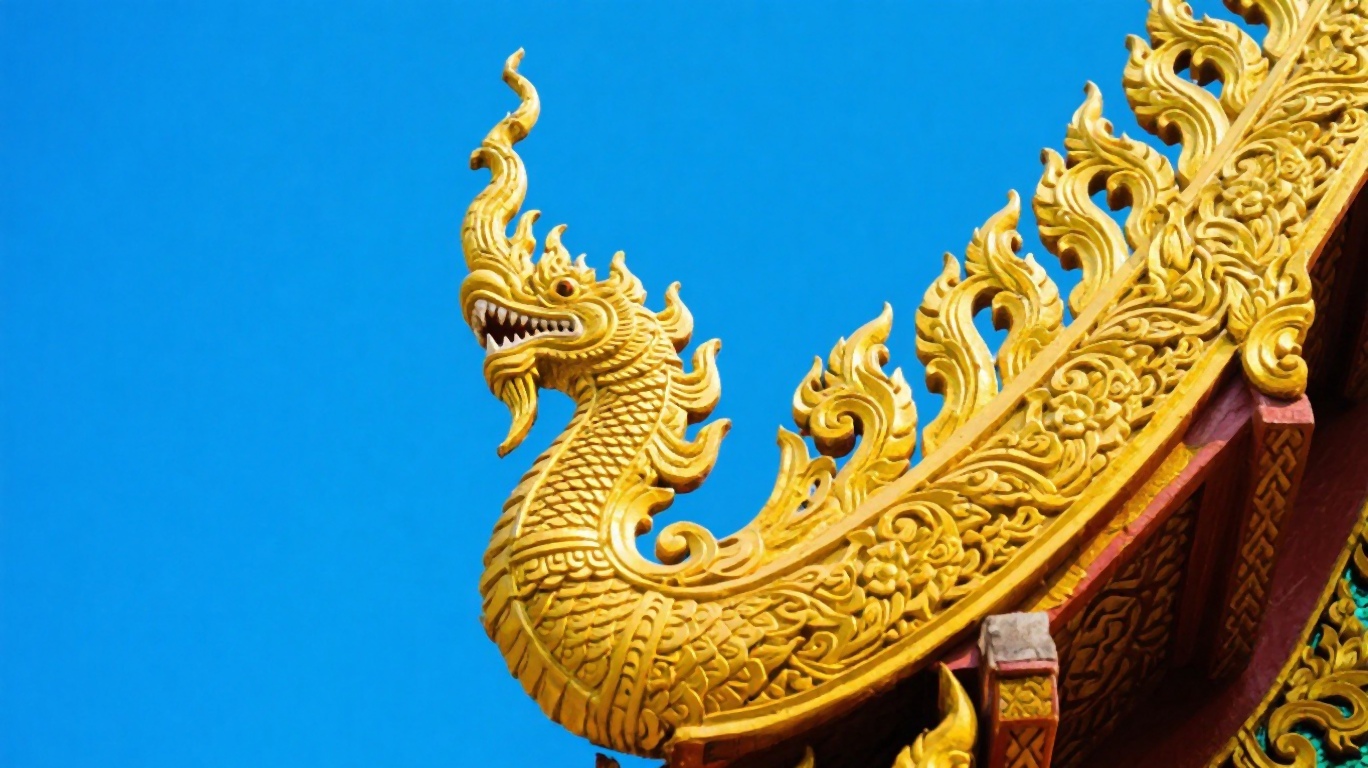
The flight from Bangkok to Chiang Mai takes 75 minutes and costs 1,200–2,500 baht ($35–72) on AirAsia, Nok Air, or Thai Lion Air. Book 2–3 weeks ahead for the low end. The airport is 15 minutes from the old city by songthaew (red truck taxi, 40 baht / $1.15 per person to the old city — they’re shared, so you might wait 10 minutes for more passengers).
Chiang Mai’s old city is a perfect square, about 1.5km on each side, enclosed by a moat and fragments of the 700-year-old wall. You can walk the entire thing in an afternoon, and you should — the density of temples here is absurd. There are over 30 inside the moat alone.
The three you can’t miss:
- Wat Chedi Luang (free, donation appreciated) — a massive ruined chedi from 1441. The elephant buttresses at the base are the most-photographed detail in Chiang Mai. Monk Chat sessions happen daily 1–6pm on the left side of the complex — English-speaking monks genuinely want to talk to you about anything
- Wat Phra Singh (40 baht / $1.15) — houses the Phra Singh Buddha, Chiang Mai’s most revered image. The Lai Kham Chapel in the rear has original 14th-century murals that somehow survived centuries of wars
- Wat Chiang Man (free) — Chiang Mai’s oldest temple, built by the city’s founder in 1296. Usually empty because it’s in the quiet northeast corner
Planning tip: The Sunday Walking Street Market (Ratchadamnoen Road, 4pm–midnight) is the single best market experience in Thailand. It runs the full length of the road from Tha Phae Gate westward. Arrive at 5pm when the food stalls are set up but the crowds haven’t peaked. The northern Thai sausage (sai ua) stalls near the Wat Phan Tao entrance make the best version in the city — 40 baht for a generous portion.
5. CLIMB DOI SUTHEP AT DAWN
Every guidebook mentions Doi Suthep. What they don’t mention is that going at the wrong time turns it from a spiritual experience into a sweaty queue behind selfie sticks.
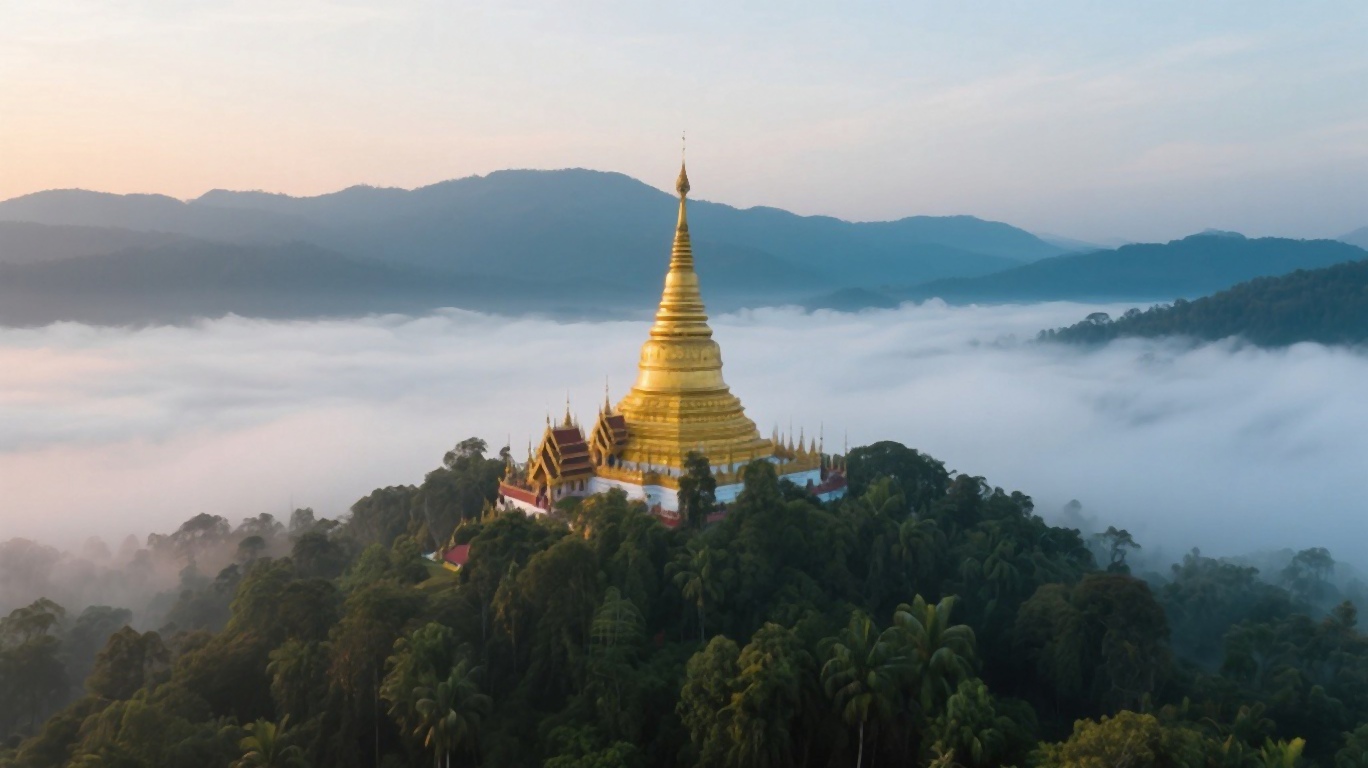
Here’s the move: take a songthaew from Chang Phuak Gate at 6:30am (100 baht / $2.90 per person, 40-minute drive up the mountain). You’ll arrive before the tour buses. The 309-step naga staircase is empty. The golden chedi at the top catches the first light, and on a clear morning you can see the entire Chiang Mai valley fading into the haze. Admission is 50 baht ($1.45).
The temple has a dress code (covered shoulders and knees), but it’s less strict than Bangkok’s Grand Palace. The terrace wrapping around the golden chedi is where the views are — walk the full circle. The east-facing side is best for morning photos.
On the way down, ask your songthaew driver to stop at Doi Suthep–Pui National Park’s headquarters (200 baht / $5.75 entry for foreigners). There’s a short waterfall trail (1.2km, easy) that almost no tourists do because they’re all rushing to the next temple.
Planning tip: Avoid Doi Suthep entirely during burning season (mid-February to April). The air quality index regularly hits 200+ (hazardous) and you won’t see the valley at all — just brown haze. November to early February is the sweet spot: cool weather, clear skies, green mountains.
6. MEET ELEPHANTS THE RIGHT WAY
Thailand’s elephant tourism industry has a dark side that most visitors don’t see until they’re already there. The “camps” that offer riding and painting shows keep their elephants compliant through a breaking process called phajaan that involves confinement, sleep deprivation, and beatings. This isn’t controversial — it’s documented by National Geographic, the World Animal Protection Foundation, and Thailand’s own Department of National Parks.
The good news: ethical alternatives exist and they’re a better experience anyway.
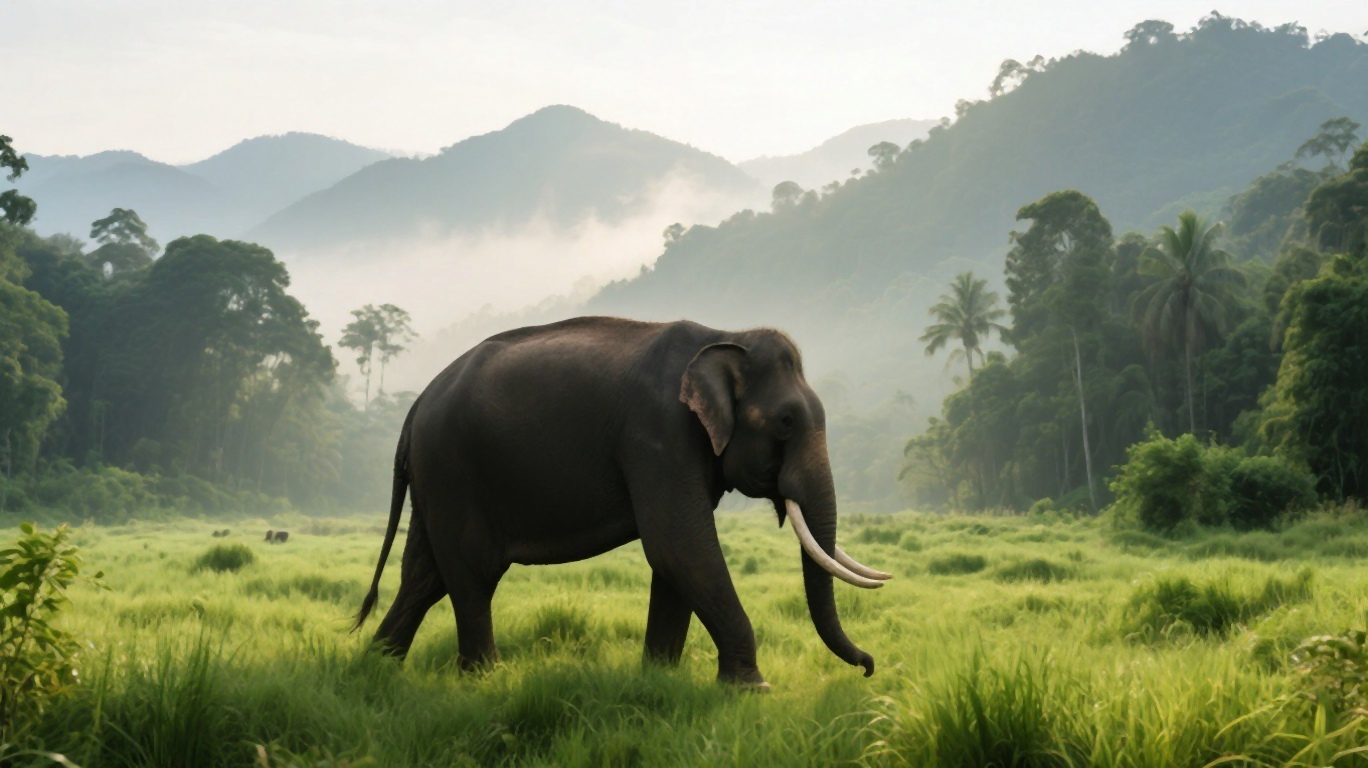
Elephant Nature Park (Kuet Chang, 50 minutes from Chiang Mai) is the gold standard. Founded by Sangduen “Lek” Chailert, it’s a rescue and rehabilitation center for abused elephants. A full-day visit costs 2,500 baht ($72) including hotel pickup, lunch, and a guided walk where you observe elephants bathing, eating, and socializing on their own terms. No riding, no chains, no performances. Book at elephantnaturepark.org at least 2 weeks ahead — they sell out.
Alternatives if Elephant Nature Park is full:
- Elephant Jungle Sanctuary (Chiang Mai, multiple locations) — half-day 1,800 baht ($52), full-day 2,800 baht ($81). Feed and bathe with elephants. Smaller groups.
- Burm and Emily’s Elephant Sanctuary (Mae Chaem, 2.5 hours from Chiang Mai) — 2,200 baht ($63). More remote, fewer tourists, walk with elephants through the jungle. Overnight options available.
Planning tip: How to spot a bad facility in 30 seconds: if they offer riding, if the elephants are chained, if they do tricks on command, or if you can take a selfie holding the trunk — walk away. Ethical places will never let you touch an elephant’s head (they find it stressful) and the elephants always choose whether to approach you.
7. ESCAPE TO THE ISLANDS
After Bangkok’s chaos and Chiang Mai’s temples, you need two days of doing absolutely nothing. The question is where.
Skip Phuket. It’s overdeveloped, the traffic is worse than Bangkok, and the famous beaches (Patong, Kata, Karon) are packed shoulder-to-shoulder in high season. If you want a Thai island experience in 7 days, go to the Gulf side: Koh Samui, Koh Phangan, or Koh Tao.
Koh Samui is the easiest. Bangkok Airways flies direct from Chiang Mai (2 hours, 3,500–5,500 baht / $100–160) or via Bangkok. The airport is tiny and charming — open-air terminals with golf cart shuttles. Once there:
- Chaweng Beach — the main strip, best for nightlife and walkable restaurants. Can be loud.
- Lamai Beach — 15 minutes south, calmer, better snorkeling off the rocks at the southern end. The Grandpa and Grandma Rocks (Hin Ta Hin Yai) are worth a quick photo stop.
- Bophut/Fisherman’s Village — boutique hotels, Friday night market, the most “local” feel on the island. The Friday Walking Street has live music, handmade jewelry, and Thai-fusion food stalls right on the waterfront.
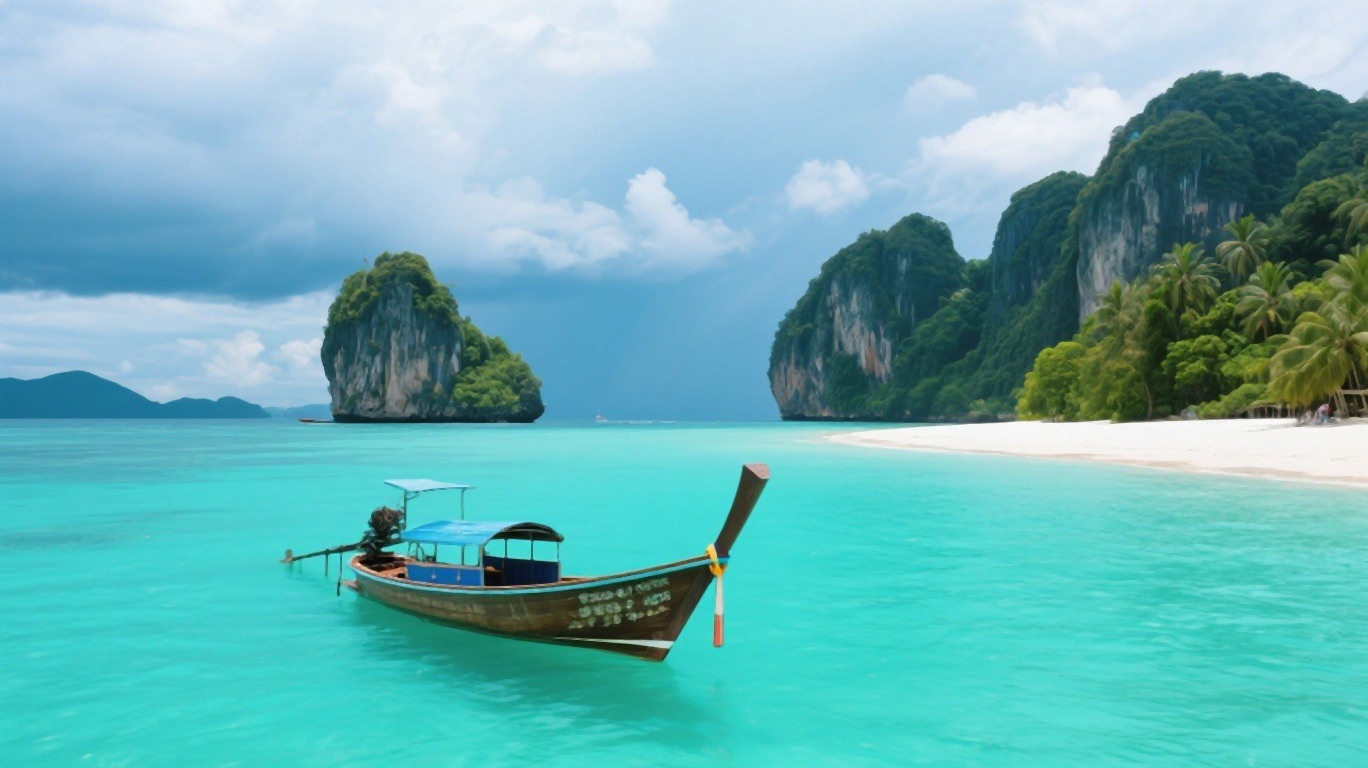
For a day trip, hire a longtail boat to Ang Thong National Marine Park — 42 islands of limestone karsts, hidden lagoons, and empty beaches. Full-day tours run 1,800–2,500 baht ($52–72) including lunch and snorkeling gear. The hike to the viewpoint on Koh Wua Talap takes 30 minutes and the panorama is one of the best in Southeast Asia.
Planning tip: If Koh Samui feels too touristy, take the 30-minute ferry to Koh Phangan (Lomprayah ferry, 300 baht / $8.60). Outside of full-moon party week, the north and east coasts (Haad Salad, Bottle Beach, Thong Nai Pan) are genuinely quiet. Bottle Beach is only accessible by boat or a steep jungle trail — that’s exactly why it’s still beautiful.
8. MASTER THE BUDGET
Thailand’s reputation as a cheap destination is still mostly true in 2026, but prices have risen sharply since 2019 — especially in Bangkok’s tourist zones and on the islands. Here’s what things actually cost right now:
| Category | Budget | Mid-Range | Splurge |
|---|---|---|---|
| Accommodation (per night) | 400–800 baht ($12–23) Hostel dorm or fan guesthouse |
1,200–3,000 baht ($35–86) Boutique hotel, private room with A/C |
5,000–15,000 baht ($144–432) Resort with pool |
| Meals (per day) | 200–400 baht ($6–12) Street food & market stalls |
600–1,200 baht ($17–35) Mix of street food & restaurants |
2,000+ baht ($58+) Fine dining & rooftop bars |
| Transport (per day) | 100–200 baht ($3–6) BTS/MRT, songthaew, bus |
400–800 baht ($12–23) Grab + some private transfers |
1,500+ baht ($43+) Private car & driver |
| Activities (per day) | 100–300 baht ($3–9) Temple visits, walking |
500–1,500 baht ($14–43) Cooking class, day tour |
2,500+ baht ($72+) Private boat, elephant sanctuary |
Realistic 7-day total per person:
- Budget: 18,000–25,000 baht ($520–720) excluding international flights
- Mid-range: 40,000–60,000 baht ($1,150–1,730)
- Comfortable: 80,000–120,000 baht ($2,300–3,460)
The domestic flight from Bangkok to Chiang Mai (1,200–2,500 baht) and Chiang Mai to Koh Samui (3,500–5,500 baht) are your biggest transport costs. Book these the moment you confirm your dates.
Planning tip: The baht has weakened against the dollar since 2023, hovering around 34.5–35.5 baht per dollar in early 2026. ATM withdrawals incur a flat 220 baht ($6.30) foreign transaction fee per withdrawal regardless of amount — so withdraw the maximum your bank allows each time. Bangkok Bank and Kasikorn Bank ATMs are the most reliable for foreign cards.
9. STAY SAFE AND RESPECT LOCAL CUSTOMS
Thailand is one of the safest countries in Southeast Asia for tourists. Violent crime against foreigners is rare. The things that actually go wrong are mundane: motorbike accidents (the #1 cause of tourist injury by a huge margin), food poisoning, and petty scams.
Scams to know:
- The “Grand Palace is closed today” scam — a friendly local tells you the attraction is shut for a ceremony and offers to take you to a “better” temple and then a gem shop. The Grand Palace is open every day 8:30–3:30pm. Walk past them.
- Tuk-tuk drivers who offer 20-baht rides “anywhere” — the ride includes mandatory stops at suit shops and gem stores where the driver earns commission. If the price sounds too good, it is.
- Jet ski damage scams on the islands — operators claim you damaged the jet ski and demand thousands of baht. Video the entire rental on your phone before and after. Better yet, skip jet skis entirely.
Cultural essentials:
- The Thai monarchy is protected by lese-majeste laws. Do not make jokes about the King or royal family — it’s a criminal offense carrying up to 15 years in prison. This is enforced.
- Remove shoes before entering any temple or Thai home. Look for the pile of shoes at the entrance.
- Never touch anyone’s head — it’s considered the most sacred part of the body. Don’t ruffle a child’s hair, even playfully.
- Feet are the lowest part of the body. Don’t point your feet at Buddha images or people. When sitting on the floor in a temple, tuck your feet behind you.
- The wai (pressing palms together at chest level with a slight bow) is the standard greeting. You don’t need to initiate it, but always return it when someone wais you — not returning it is like ignoring an extended handshake.
Planning tip: Get travel insurance before you go. A motorbike accident requiring hospital stay can easily cost 200,000+ baht ($5,750+). World Nomads and SafetyWing both cover Thailand well. Make sure your policy covers motorbike riding — many don’t unless you hold an International Driving Permit (IDP). Get your IDP from AAA for $20 before you leave home.
10. PACK SMART AND PREPARE
What to bring, what to skip, and what to handle before your flight:
Documents:
- Passport valid for at least 6 months beyond entry date
- Most Western passports get 30 days visa-free on arrival (60 days if entering by air as of recent updates — verify on the Thai Immigration Bureau website before booking)
- Proof of onward travel — immigration occasionally asks for it. A cheap refundable flight booking works
What to pack:
- Light, breathable clothing that covers knees and shoulders (for temples)
- A compact rain jacket or umbrella (essential May–October)
- Reef-safe sunscreen — Thai island pharmacies charge 3–4x what you’d pay at home
- Mosquito repellent with DEET — dengue fever is a real risk, especially in Chiang Mai province during rainy season
- A universal power adapter — Thailand uses Types A, B, and C outlets (same as US/Japan flat prongs and European round prongs)
What NOT to pack:
- Heavy jeans or bulky jackets (unless visiting Chiang Mai in December when evenings drop to 15C / 59F)
- Expensive jewelry — you’ll be more comfortable without it and it attracts the wrong attention
- Too many clothes — Thai laundry services are everywhere, 40–60 baht ($1.15–1.70) per kilogram, usually returned same day
Planning tip: Buy a Thai SIM card at the airport arrivals hall. AIS and TrueMove H both sell tourist SIM packages: 299 baht ($8.60) for 15 days of unlimited data at 15 Mbps. The coverage is excellent everywhere on this itinerary including the islands. Don’t bother with pocket WiFi — it’s more expensive and another thing to carry and charge.
THE ROUTE AT A GLANCE
| Day | Location | Highlights |
|---|---|---|
| 1 | Bangkok | Grand Palace, Wat Pho, Wat Arun, Chinatown food |
| 2 | Bangkok | Chatuchak Market or street food crawl, rooftop bar |
| 3 | Bangkok to Chiang Mai | Morning flight, Old City temples, Sunday Walking Street |
| 4 | Chiang Mai | Dawn at Doi Suthep, Elephant Nature Park |
| 5 | Chiang Mai to Islands | Flight to Koh Samui, settle into beach |
| 6-7 | Koh Samui | Beach, Ang Thong Marine Park day trip, Fisherman’s Village |
Drift Trails may earn a commission from affiliate links in this article. All recommendations and reviews are based on independent research.
Updated June 2026. Prices are in Thai Baht with USD conversions at 34.7 baht per dollar.
